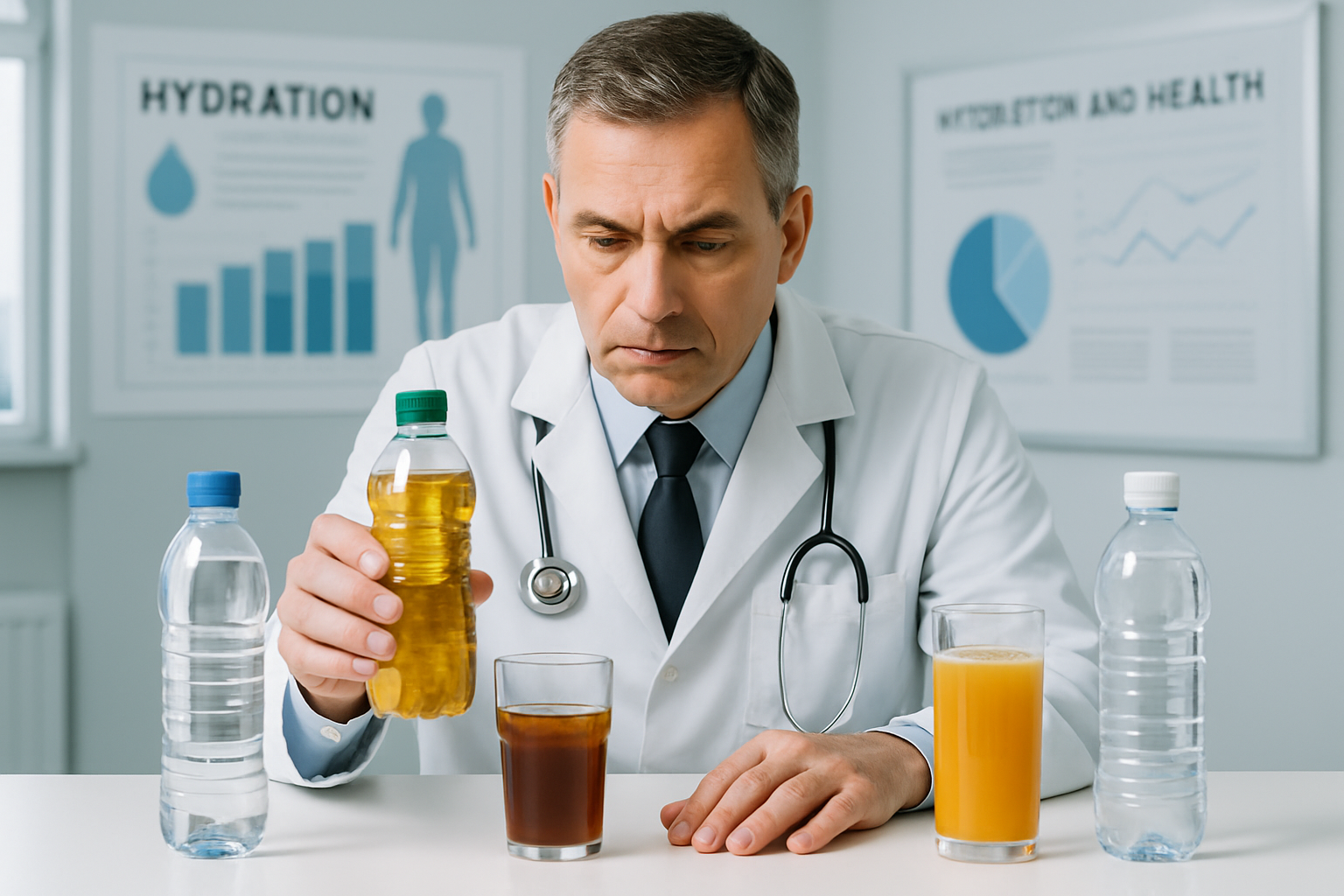
Medical experts are sounding the alarm about dangerous hydration myths circulating on social media and in popular health advice, warning that widespread misconceptions about fluid intake could be undermining public health efforts worldwide.
From the infamous "eight glasses a day" rule to warnings against coffee consumption, the realm of hydration advice has become saturated with half-truths and outdated recommendations. Modern research reveals that proper hydration is far more complex and individualized than often portrayed in simplified online guidance, according to leading health professionals.
The Eight-Glass Myth Under Scientific Scrutiny
The most persistent hydration myth—that everyone needs exactly eight glasses of water daily—has no solid scientific foundation, researchers emphasize. This recommendation fails to account for individual variation in body size, activity level, climate conditions, and overall health status.
"We don't receive fluids only from water, and more often doesn't mean better," explains Czech health expert Dr. Pavel Novák, whose recent analysis challenges decades-old hydration guidelines. The oversimplified approach ignores the significant fluid contribution from food sources, other beverages, and natural metabolic processes.
Historical context reveals this myth originated from a 1945 American National Food and Nutrition Board recommendation that has been misinterpreted for decades. Bosnia Herzegovina health experts recently joined international colleagues in reassessing this traditional wellness advice, emphasizing the need for personalized healthcare approaches that acknowledge individual variation in hydration needs.
Coffee and Hydration: Clearing Up the Confusion
Another widespread misconception targets coffee consumption, with many believing caffeinated beverages contribute to dehydration. Modern research demonstrates this claim is largely unfounded for regular coffee drinkers who have developed caffeine tolerance.
"The human body is remarkably adaptable. Regular coffee consumers experience minimal diuretic effects from their usual intake,"
— Dr. Norberto Debbag, Sports Medicine Cardiologist
Studies show that while caffeine may have mild diuretic properties, the fluid content of coffee and tea still contributes positively to overall hydration status. The net effect remains beneficial for most individuals, contradicting popular advice to avoid caffeinated beverages entirely.
Personalized Hydration: The Evidence-Based Approach
Leading medical professionals advocate for individualized hydration strategies rather than universal recommendations. Factors including climate, physical activity, health conditions, age, and dietary patterns all influence optimal fluid requirements.
Dr. Debbag emphasizes urine color as a critical hydration indicator, particularly during intense heat conditions. This simple, accessible assessment method provides immediate feedback without requiring specialized equipment or rigid adherence to arbitrary fluid quotas.
Key Hydration Indicators Include:
- Urine color ranging from pale yellow to clear
- Frequency of urination throughout the day
- Energy levels and cognitive function
- Skin elasticity and moisture
- Thirst sensation patterns
The Social Media Misinformation Problem
Health misinformation spreads rapidly through social platforms, often presenting oversimplified or scientifically inaccurate hydration advice. These recommendations frequently ignore individual circumstances and medical contraindications.
The "wellness paradox" phenomenon has emerged, where constant optimization pressure creates psychological stress around basic physiological needs like hydration. This trend transforms natural bodily functions into sources of anxiety rather than promoting genuine health.

Climate and Environmental Factors
Environmental conditions significantly impact hydration needs, yet many popular guidelines fail to address these variables. Temperature, humidity, altitude, and air quality all influence fluid requirements.
Recent extreme weather events, including January 2026 marking the hottest month on record for the 18th consecutive time exceeding 1.5°C above pre-industrial levels, highlight the increasing importance of adaptive hydration strategies. Traditional recommendations become inadequate under changing climate conditions.
Medical Conditions and Hydration
Numerous medical conditions require modified hydration approaches, making universal recommendations potentially dangerous. Heart failure patients may need fluid restrictions, while diabetes patients face complex hydration challenges related to blood sugar management.
Kidney disease patients must balance fluid intake with filtration capacity limitations. Athletic individuals require dramatically different strategies compared to sedentary populations. Age-related changes in kidney function and thirst sensation further complicate optimal hydration planning.
The Path Forward: Evidence-Based Guidance
The medical community increasingly emphasizes prevention-first healthcare approaches that acknowledge individual physiological variation. This shift moves away from rigid rules toward flexible, evidence-based strategies.
"Hydration science is advancing toward personalized assessment accounting for individual variation, climate, activity levels, and health status rather than one-size-fits-all recommendations,"
— International Hydration Research Council
Best Practices for Healthy Hydration:
- Monitor urine color as a primary indicator
- Adjust fluid intake based on activity and environment
- Include fluid from food sources in daily calculations
- Consult healthcare providers for personalized guidance
- Avoid extreme hydration practices without medical supervision
Global Health Implications
As part of the broader "Therapeutic Revolution of 2026," healthcare systems worldwide are transitioning from reactive treatment models to prevention-focused strategies. Accurate hydration education represents a fundamental component of this transformation.
The convergence of climate change, aging populations, and increasing health consciousness creates urgent need for scientifically accurate hydration guidance. Misinformation threatens to undermine public health gains achieved through decades of medical advancement.
International cooperation between medical institutions becomes increasingly critical as health challenges transcend national boundaries. The fight against health misinformation requires coordinated efforts from healthcare providers, researchers, and public health authorities worldwide.
Conclusion: Embracing Scientific Complexity
The journey toward optimal hydration requires embracing scientific complexity rather than seeking oversimplified solutions. Individual assessment, professional guidance, and evidence-based practices offer the most reliable path to maintaining proper fluid balance.
As medical understanding advances, the health community must continue challenging outdated recommendations while providing accessible, accurate guidance that serves diverse populations. The stakes of this effort extend far beyond individual health outcomes to encompass global public health resilience in an era of unprecedented environmental and social change.