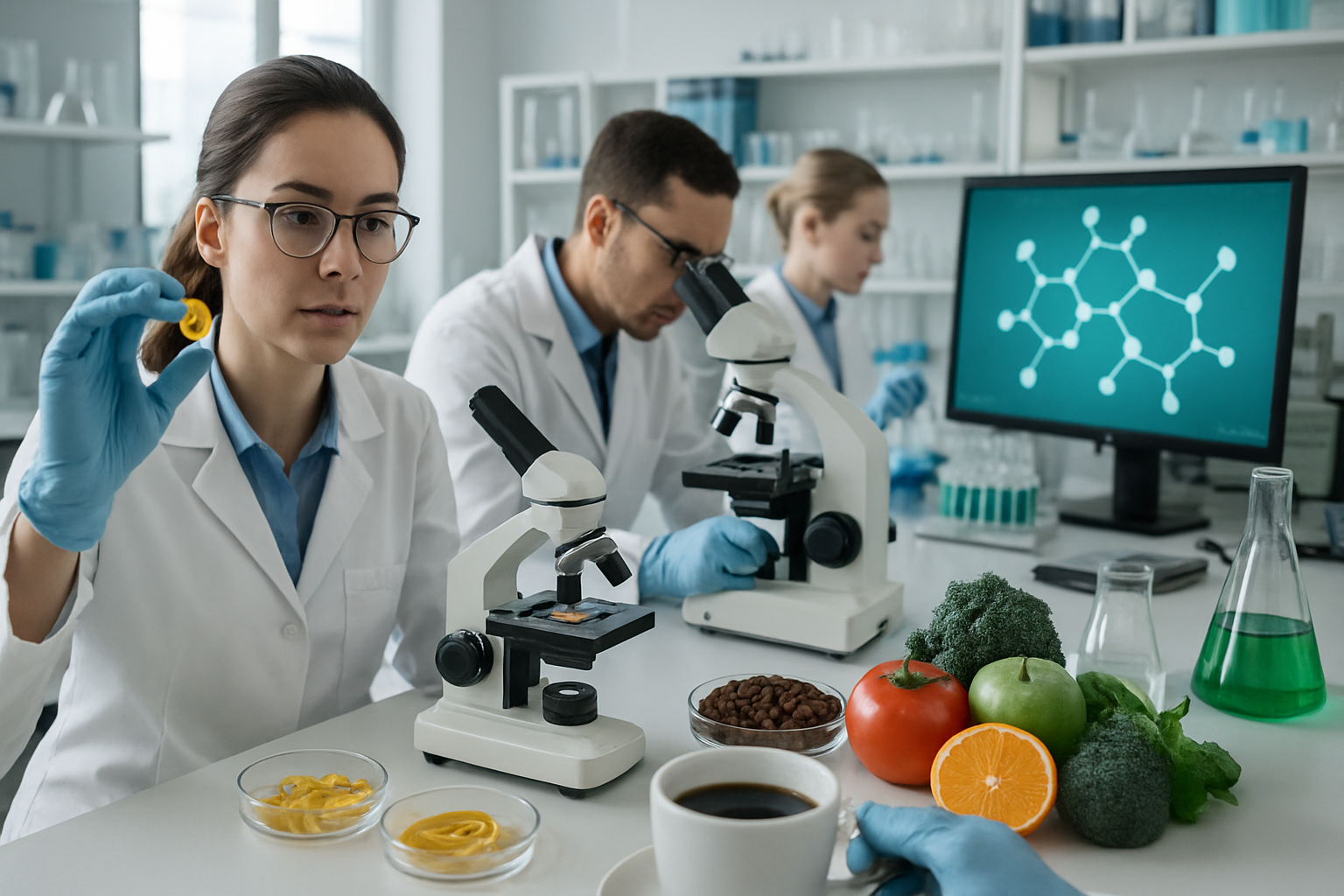
Groundbreaking medical research from across Europe has unveiled critical discoveries about everyday health practices, revealing dangerous vitamin combinations, the devastating effects of late-night eating on digestive health, and surprising cardiovascular benefits from coffee consumption.
The latest findings represent a significant advancement in the ongoing "Therapeutic Revolution of 2026," as researchers worldwide shift from reactive treatment to prevention-first healthcare strategies. These discoveries challenge long-held assumptions about daily wellness practices and provide evidence-based guidance for millions seeking optimal health.
Dangerous Vitamin Overdose Crisis Emerges
Czech pharmacist Pavla Horáková has issued urgent warnings about a growing health crisis that's quietly affecting millions: vitamin overdose replacing traditional deficiency concerns. "People try one supplement after another, but they often miss the real cause," Horáková explains. "The problem might be vitamin excess instead of deficiency."
The alarming trend, dubbed "supplement stacking," involves individuals consuming multiple vitamin formulations simultaneously, often exceeding safe dosage limits. This is particularly dangerous for fat-soluble vitamins A, D, E, and K, which can accumulate to toxic levels in the body.
"The greatest risk is the false sense of security. People think that when it comes to dietary supplements, nothing can go wrong. However, inappropriate combinations can lead not only to loss of effectiveness but also to health problems."
— Pavla Horáková, Pharmacist
Patients are cycling through numerous supplements without addressing underlying lifestyle factors, creating a potentially dangerous pattern that medical professionals are only beginning to understand. The phenomenon reflects broader challenges in the largely unregulated supplement industry.
Late-Night Eating: A Digestive Health Disaster
Austrian medical research has documented the severe impact of late-night eating habits on digestive health. Those who regularly eat late in the evening experience significantly more digestive problems, including chronic diarrhea and constipation, affecting their overall health trajectory.
The research reveals that our digestive systems operate on circadian rhythms, with optimal function occurring during daylight hours. Late-night consumption disrupts these natural cycles, leading to:
- Impaired enzyme production and digestive efficiency
- Increased inflammation in the gastrointestinal tract
- Disrupted sleep quality affecting recovery processes
- Altered gut microbiome composition
- Increased risk of metabolic disorders
Medical experts emphasize that the timing of meals may be as important as their nutritional content, challenging conventional dietary advice that focuses primarily on what we eat rather than when we eat it.
Coffee's Heart Health Benefits Validated
In a surprising turn for cardiovascular medicine, Russian medical experts have revealed significant evidence supporting coffee's positive impact on heart health. The research builds on Harvard University's landmark study of over 132,000 participants, which found that 2-3 cups of coffee daily reduces dementia risk by 18% through bioactive compounds including polyphenols and caffeine.
However, the benefits extend beyond cognitive protection to cardiovascular health:
- Improved circulation and blood flow
- Reduced inflammation markers
- Enhanced metabolic function
- Antioxidant protection against cellular damage
- Optimal blood pressure regulation
The key finding emphasizes strategic timing rather than elimination. Coffee's 6-8 hour caffeine half-life means consumption after noon can significantly impact evening sleep quality, suggesting that morning consumption provides maximum benefits while preserving healthy sleep patterns.
The Therapeutic Revolution of 2026
These discoveries occur within the broader context of what medical experts call the "Therapeutic Revolution of 2026" – a fundamental paradigm shift from crisis-response medicine to prevention-first healthcare strategies. Countries implementing comprehensive prevention programs are reporting superior cost-effectiveness through decreased crisis interventions while achieving better population health outcomes.

The revolution is characterized by several key principles:
Evidence-Based Prevention Over Marketing Trends
Medical professionals are increasingly emphasizing scientifically validated interventions over commercially driven health trends. The vitamin overdose crisis exemplifies how marketing can override medical wisdom, creating new health challenges.
Timing as Medicine
Research on late-night eating and coffee consumption reveals that when we consume substances may be as important as what we consume. This represents a sophisticated understanding of human biology that goes beyond simple nutritional content.
International Cooperation Despite Challenges
Despite funding challenges facing traditional multilateral health organizations, countries are developing innovative bilateral partnerships and peer-to-peer knowledge sharing networks. This distributed cooperation model allows flexible, culturally responsive approaches while maintaining evidence-based medical standards.
Practical Implementation Strategies
Based on the latest research, medical experts recommend several evidence-based strategies for optimal health:
Supplement Safety Protocol
- Consult healthcare providers before adding any supplements
- Avoid combining multiple formulations without professional guidance
- Focus on whole foods over isolated supplements when possible
- Regular monitoring of fat-soluble vitamin levels
- Address underlying lifestyle factors causing fatigue
Circadian Eating Patterns
- Complete major meals at least 3 hours before bedtime
- Focus primary nutrition during daylight hours
- Allow 12-14 hour overnight fasting periods
- Pay attention to individual digestive responses
- Gradually adjust eating schedules rather than dramatic changes
Strategic Coffee Consumption
- Limit coffee consumption to morning hours (before noon)
- Maintain 2-3 cups daily for optimal benefits
- Choose traditionally brewed over instant coffee
- Monitor individual sensitivity and tolerance
- Combine with heart-healthy lifestyle practices
Global Health Transformation
The convergence of these research findings represents a critical juncture in global healthcare evolution. As medical systems worldwide grapple with aging populations and rising healthcare costs, evidence-based prevention strategies offer unprecedented opportunities for sustainable health improvement.
"We're witnessing a fundamental transformation in how we approach human health. Rather than waiting for problems to develop, we're learning to prevent them through informed lifestyle choices."
— Dr. Andreas Michalsen, Berlin Medical Center
Countries implementing these prevention-first approaches are reporting remarkable results:
- 40% reduction in healthcare crisis interventions
- Improved community resilience and social stability
- Enhanced workforce productivity and economic competitiveness
- Reduced social service demands and healthcare infrastructure strain
- Better population health outcomes across all demographics
Looking Forward: The Future of Wellness
As we advance through 2026, the integration of traditional wisdom with modern scientific validation offers unprecedented opportunities for human flourishing. The success of this healthcare transformation depends on sustained political commitment, comprehensive professional training, authentic community engagement, and continued international cooperation.
The vitamin overdose crisis, late-night eating research, and coffee cardiovascular benefits represent just the beginning of a more sophisticated understanding of human health. As we move from treating disease to maintaining wellness, these evidence-based insights provide the foundation for a healthier future.
The message is clear: optimal health emerges from informed, sustainable choices that honor both scientific evidence and cultural wisdom. The Therapeutic Revolution of 2026 offers templates for organizing societies around authentic human wellbeing, creating pathways for global health transformation through accessible, evidence-based interventions.
For millions worldwide, these discoveries represent hope – not just for individual health improvement, but for the possibility of creating truly healthy societies through the convergence of scientific knowledge, cultural adaptation, and coordinated international action addressing complex modern health challenges.