Healthcare systems worldwide are experiencing unprecedented transformation as critical medical equipment reaches underserved communities and digital health platforms expand access to millions, marking a pivotal moment in the global "Therapeutic Revolution of 2026."
From advanced dialysis machines saving lives in Jamaica to comprehensive digital health systems reaching 462 facilities in Jordan, recent developments demonstrate how international cooperation and technological innovation are reshaping medical care delivery across continents. These initiatives represent more than infrastructure upgrades—they embody a fundamental shift toward prevention-first healthcare and equitable medical access.
Jamaica Receives Life-Saving Dialysis Equipment
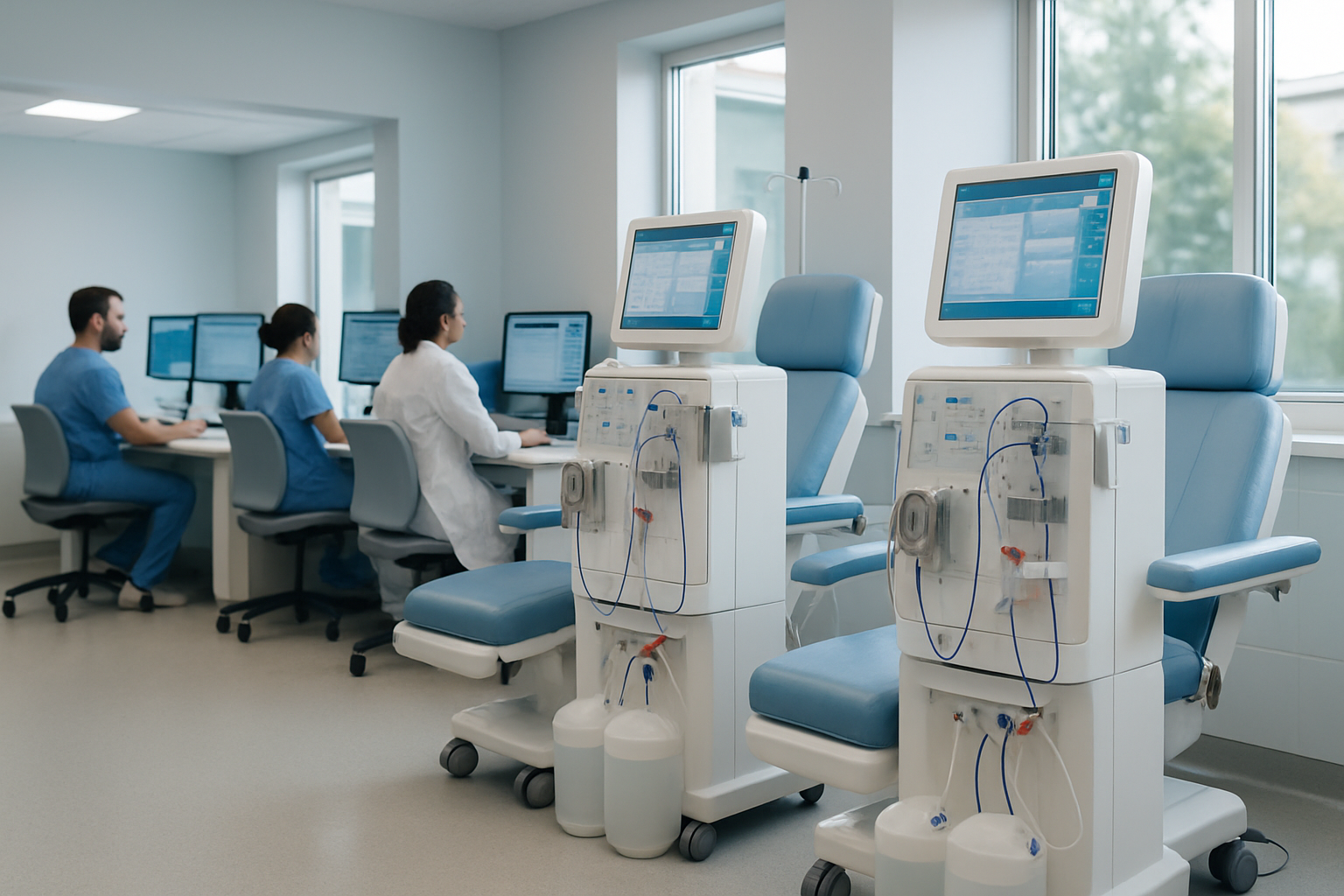
At Cornwall Regional Hospital (CRH) in Mount Salem, St. James, the arrival of four state-of-the-art dialysis machines marks a transformative moment for kidney disease patients across Jamaica. The equipment, valued at over US$250,000 (approximately $9.5 million JMD), was donated by a humanitarian group in the United States and officially handed over to hospital officials on Thursday.
"It will assist at least an additional 25 patients. We work from Mondays to Fridays, and you are talking about at least 50 treatments for the week," explained Leset Stephenson, Haemodialysis Unit Manager with two decades of experience in the department. "We do have patients out there who are waiting, waiting to get on the system because they just cannot afford the private dialysis. It costs a lot, not only for the treatment but the medications that go along with it."
The donation represents more than equipment—it embodies healthcare sovereignty and regional medical leadership. For patients who previously faced impossible choices between life-saving treatment and financial ruin, these machines offer hope and accessibility. The initiative positions Jamaica as a model for Caribbean healthcare development through international partnerships and strategic medical infrastructure investment.
Jordan's Digital Health Revolution Expands
Jordan continues its remarkable transformation into a regional digital health leader with the "Hakim" medical system now operational across 462 health facilities. Since early 2026, more than 15 additional health facilities under the Ministry of Health and Royal Medical Services have joined the comprehensive digital platform, demonstrating the country's commitment to healthcare modernization.
According to Health Computing Company announcements, this expansion represents a systematic approach to digital transformation that positions Jordan at the forefront of regional health technology innovation. The Hakim system integrates patient records, treatment protocols, and medical imaging into a unified platform that enhances care coordination while maintaining patient privacy and safety standards.
This digital infrastructure advancement builds on Jordan's broader healthcare transformation initiatives documented since February 2026, when the system served 453 government health facilities. The continued expansion reflects sustained political commitment to healthcare investment and technological integration that enhances rather than replaces clinical judgment and personal medical relationships.
Ireland's Mental Health Treatment Controversy
In Ireland, a deeply personal tragedy has sparked urgent conversations about medication safety and mental health treatment protocols. The case of Anne Enright, who died by suicide at age 16 in 2024 just five days after completing a six-month course of Roaccutane acne treatment, has prompted her family to share their story as a warning to other families.
The Irish Times coverage of this case highlights critical questions about medication monitoring, mental health screening during dermatological treatments, and the need for comprehensive patient safety protocols. While the medication met existing safety standards, the tragedy underscores the importance of holistic patient care that addresses both physical and psychological wellbeing.
This case exemplifies broader healthcare challenges identified in the global "wellness paradox," where sophisticated medical treatments coexist with gaps in comprehensive patient monitoring and mental health integration into routine medical care.
The Therapeutic Revolution of 2026
These developments occur within the broader context of what healthcare experts have termed the "Therapeutic Revolution of 2026"—a fundamental transformation characterized by prevention-first strategies, enhanced international cooperation, and technology integration with human-centered care approaches.
"Countries implementing comprehensive prevention programs report improved community resilience, reduced social service demands, and better public health outcomes."
— Global Healthcare Analysis Report, Planet News
The revolution's core characteristics include:
- Prevention Over Crisis Management: Proactive intervention strategies showing superior cost-effectiveness compared to reactive treatment models
- International Cooperation Evolution: Bilateral partnerships and peer-to-peer knowledge sharing driving innovation despite traditional multilateral funding challenges
- Technology-Human Balance: Digital health advances enhancing rather than replacing clinical judgment and personal medical relationships
- Equitable Access Priority: Ensuring medical advances benefit diverse populations regardless of geographic or economic constraints
Economic and Social Implications
The economic implications of these healthcare transformations extend far beyond immediate medical costs. Countries implementing prevention-focused strategies demonstrate measurable benefits through decreased emergency interventions, improved workforce productivity, and enhanced community resilience.
Jamaica's dialysis expansion represents not just patient care improvement but economic development through medical tourism potential and reduced international medical referrals. Jordan's digital health leadership positions the country as a regional hub for health technology innovation, potentially attracting international investment and medical partnerships.
These investments create self-reinforcing cycles where healthcare excellence supports economic development, enabling further investment in medical infrastructure and professional training programs.
Challenges and Opportunities
Despite remarkable progress, significant challenges remain. The global healthcare transformation occurs during consecutive months of rising temperatures, with climate change fundamentally altering disease patterns and creating new health challenges requiring both immediate medical responses and long-term environmental resilience planning.
Healthcare workforce shortages, infrastructure maintenance requirements, and sustainable financing mechanisms represent ongoing challenges that require sustained political commitment, comprehensive professional training, and continued international cooperation.
Success factors identified across these initiatives include:
- Sustained political commitment to healthcare investment beyond electoral cycles
- Comprehensive professional training for emerging technologies and protocols
- Authentic community engagement ensuring cultural appropriateness and trust
- International cooperation through knowledge sharing and resource optimization
- Integration of technological innovation with fundamental healthcare principles
Future Implications
The convergence of precision medicine advances, international cooperation models, and prevention-focused strategies provides a foundation for resilient healthcare systems capable of addressing 21st-century challenges. The diversity of approaches—from Jamaica's equipment-focused expansion to Jordan's digital transformation and Ireland's safety protocol discussions—demonstrates complementary models strengthening the global healthcare ecosystem.
These developments suggest that April 2026 represents a critical juncture in global healthcare evolution, where evidence-based innovations are successfully translating into accessible, effective treatments. The success of these initiatives will influence healthcare policy decisions and international cooperation frameworks for decades to come.
As healthcare systems worldwide grapple with the balance between technological advancement and human-centered care, the examples from Ireland, Jamaica, and Jordan provide valuable templates for healthcare modernization that respects cultural diversity while achieving excellence through sustainable, equitable approaches.
The Therapeutic Revolution of 2026 continues to demonstrate that coordinated international action can achieve transformative improvements in healthcare delivery, even under resource constraints, when guided by principles of scientific excellence and unwavering commitment to patient welfare above all else.