Three revolutionary medical breakthroughs from Austria, Singapore, and Romania are transforming healthcare delivery in 2026, representing the pinnacle of the ongoing "Therapeutic Revolution" that emphasizes precision medicine, innovative surgical techniques, and life-saving emergency interventions.
Austria's Precision Stem Cell Control Technology
Austrian researchers have achieved a remarkable breakthrough in stem cell research with the development of sophisticated tools for targeted stem cell steering. This Vienna-developed methodology promises to revolutionize our understanding of pediatric cancer while opening unprecedented opportunities in regenerative medicine.
The innovative approach provides researchers with unprecedented control over stem cell behavior, allowing for precise manipulation of cellular development pathways. This level of precision represents a paradigm shift from traditional broad-spectrum treatments to highly targeted therapeutic interventions.
"This new tool for targeted stem cell control could help us better understand cancer in children while potentially unlocking new possibilities in regenerative medicine."
— Austrian Research Team, Medical University of Vienna
The implications extend far beyond pediatric oncology. Regenerative medicine applications could address conditions ranging from spinal cord injuries to degenerative diseases, offering hope to millions of patients worldwide who currently have limited therapeutic options.
Singapore's Revolutionary Alzheimer's Treatment
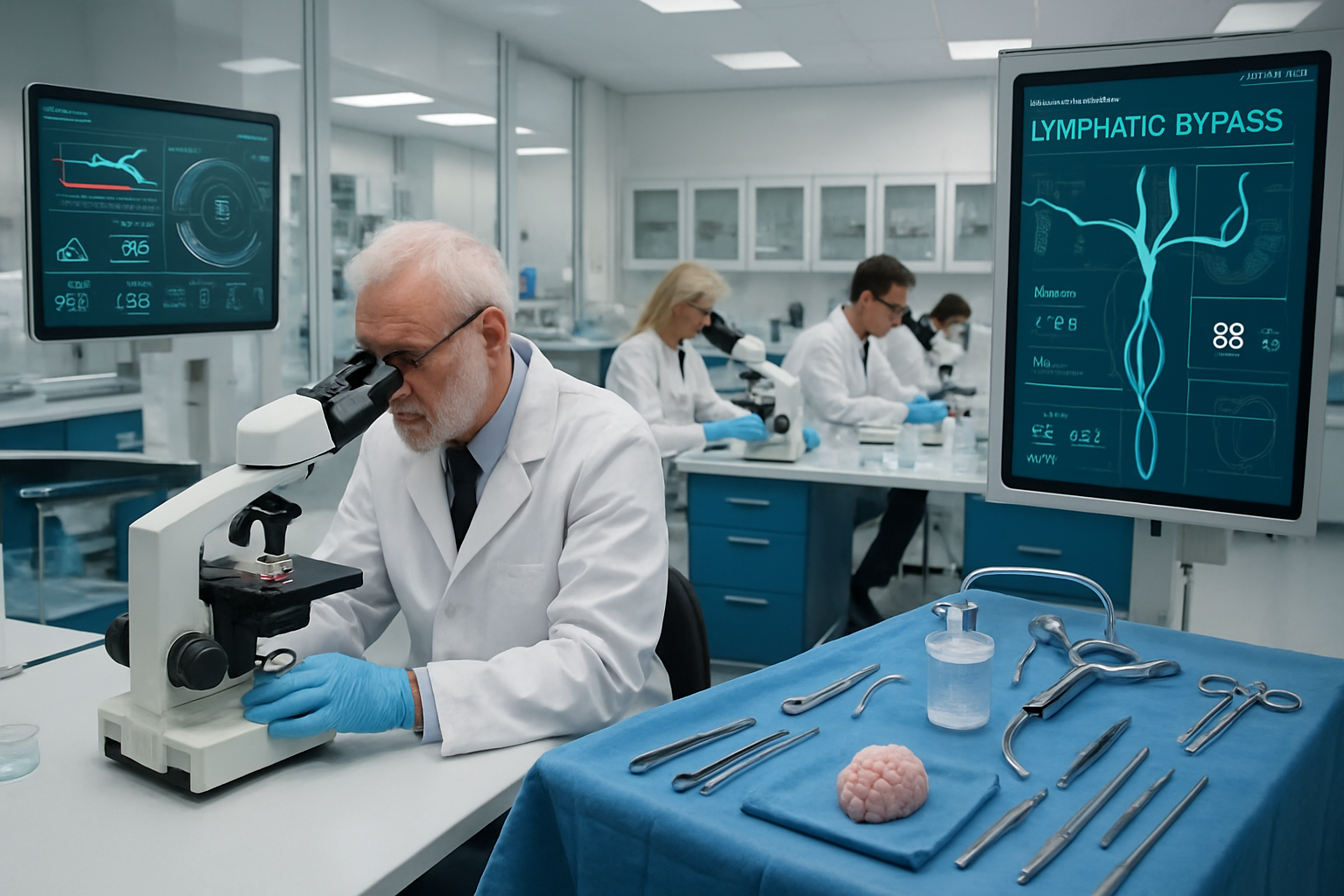
At Changi General Hospital, Singaporean medical teams are pioneering an innovative surgical approach to Alzheimer's disease treatment through lymphatic bypass procedures. Early results from clinical trials suggest this technique could lead to significant improvements in memory, mood, and cognitive function for patients with neurodegenerative conditions.
The lymphatic bypass surgery represents a fundamentally new approach to treating Alzheimer's disease by addressing the brain's waste drainage system. This innovative procedure aims to enhance the brain's natural ability to clear toxic proteins associated with cognitive decline.
Traditional Alzheimer's treatments have focused primarily on pharmaceutical interventions with limited success. This surgical approach offers a complementary strategy that could work alongside existing therapies to provide more comprehensive patient care.

Romania's Life-Saving ECMO Technology
Romanian healthcare officials have announced the potential deployment of Extracorporeal Membrane Oxygenation (ECMO) technology, an advanced medical technique that has saved thousands of lives worldwide. This sophisticated system serves as an external artificial lung and heart when a patient's organs can no longer sustain life independently.
ECMO technology represents one of the most advanced forms of life support available in modern medicine. The system works by removing blood from the patient's body, oxygenating it artificially, and returning it to circulation, effectively replacing the function of failing lungs or heart.
Minister Alexandru Rogobete's announcement underscores Romania's commitment to bringing cutting-edge medical technology to its healthcare system. The deployment of ECMO capabilities demonstrates the country's evolution into a regional medical leader with sophisticated emergency intervention capabilities.
The Therapeutic Revolution of 2026
These breakthrough developments occur within the broader context of what medical experts are calling the "Therapeutic Revolution of 2026" – a global transformation characterized by prevention-first healthcare strategies, unprecedented international cooperation, and the integration of advanced technology with human-centered care approaches.
The revolution represents a fundamental shift from reactive treatment models to proactive health maintenance. Countries implementing comprehensive prevention programs are reporting improved community resilience, reduced emergency care demands, and superior population health outcomes.
- Prevention-first strategies showing superior cost-effectiveness
- International cooperation through bilateral partnerships
- Technology integration enhancing clinical judgment
- Evidence-based innovations becoming globally accessible
Economic and Social Implications
The economic implications of these medical advances extend far beyond immediate healthcare costs. Prevention-focused strategies demonstrate measurable benefits through decreased crisis interventions, improved workforce productivity, and enhanced community resilience.
Countries developing sophisticated medical capabilities benefit from enhanced international reputation, reduced dependency on external medical referrals, and positioning as regional healthcare destinations. These advances create economic multiplier effects that strengthen entire healthcare ecosystems.
"The convergence of precision medicine advances, international cooperation models, and prevention-focused strategies provides the foundation for resilient healthcare systems addressing 21st-century challenges."
— Global Healthcare Policy Analysis, 2026
International Cooperation and Knowledge Sharing
Despite challenges facing traditional multilateral health organizations, innovative bilateral partnerships and regional collaboration networks continue driving medical innovation through peer-to-peer knowledge sharing. This distributed cooperation model allows for flexible, culturally responsive approaches while maintaining evidence-based medical standards.
The success of these medical breakthroughs demonstrates that smaller nations can contribute specialized expertise while larger countries provide technological innovations, creating an equitable global healthcare ecosystem that benefits all populations regardless of geographic or economic constraints.
Implementation Challenges and Success Factors
Successful implementation of these revolutionary technologies requires sustained political commitment to healthcare investment, comprehensive professional training programs, and continued international cooperation for knowledge sharing and resource optimization.
Key success factors identified across all three developments include:
- Adequate resource allocation balancing immediate needs with long-term capacity building
- Integration of technological innovation with fundamental healthcare principles
- Cultural adaptation of evidence-based practices
- Regulatory frameworks that enable innovation while ensuring patient safety
Future Implications for Global Healthcare
These medical advances represent critical steps toward addressing 21st-century health challenges through coordinated international action. The convergence of precision medicine advances, innovative surgical techniques, and emergency life support systems provides unprecedented opportunities for improving human health outcomes.
The success of these initiatives will depend on healthcare systems' ability to balance scientific innovation with equitable access, ensuring that medical advances benefit diverse populations while maintaining the human connections that make healthcare effective.
As we move forward in 2026, these breakthrough developments in Austria, Singapore, and Romania serve as powerful examples of what becomes possible when scientific excellence meets human-centered care delivery, supported by sustained international cooperation and commitment to advancing human health and wellbeing.