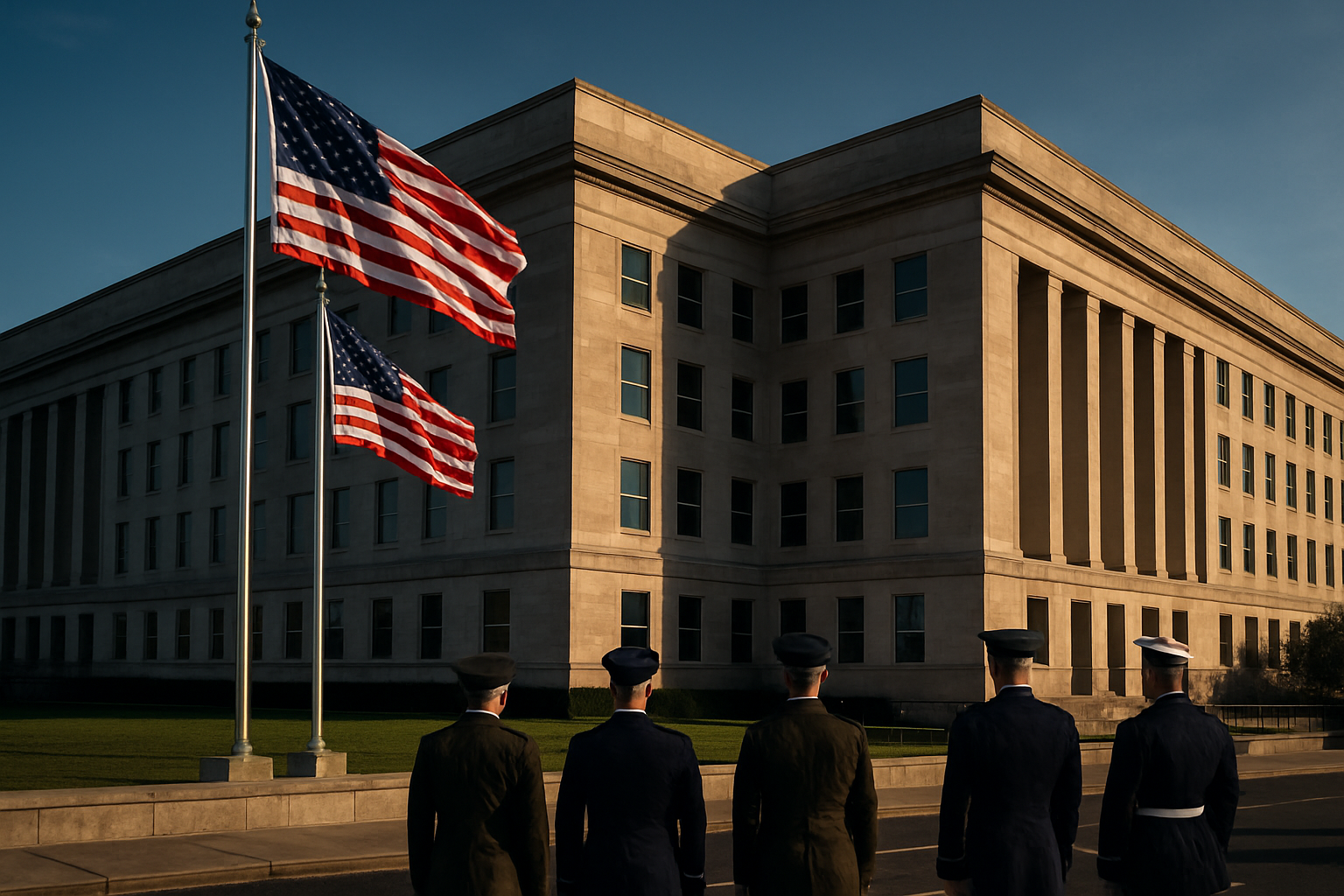
Pentagon spokesman Sean Parnell launched a vigorous defense of Defense Secretary Pete Hegseth after the military leader quoted what he claimed was a Bible verse but was actually dialogue from Quentin Tarantino's 1994 film "Pulp Fiction" during a worship service at the Pentagon.
The controversy erupted when Hegseth, speaking at a Wednesday prayer service, recited what he described as a passage from the Book of Ezekiel that American pilots supposedly recite before search-and-rescue operations. The quote – "The path of the downed aviator is beset on all sides by the iniquities of the selfish and the tyranny of evil men" – was quickly identified by social media users as originating from Samuel L. Jackson's character Jules Winnfield in the iconic Tarantino film.
International Media Coverage Intensifies
The gaffe has drawn extensive international coverage, with outlets across multiple continents highlighting what many see as an embarrassing moment for America's top defense official. Portuguese media outlet PÚBLICO confirmed the authenticity of the incident, while Romanian news services Digi24 and G4Media reported extensively on what they characterized as a significant cultural mistake by a high-ranking government official.
Russian state media outlet Meduza noted that Hegseth's military attribution was incorrect, while Norwegian newspaper Aftenposten described the moment as having gone "viral," indicating the global reach of the controversy. European media have characterized the incident as particularly embarrassing given Hegseth's position as the Pentagon's civilian leader.
According to Italian media coverage, Hegseth "recited a false verse during a religious service," highlighting concerns about cultural literacy among high-level American officials during a period of intense global scrutiny of the Trump administration.
"This represents ignorance of reality and demonstrates a concerning lack of cultural awareness from someone in such a critical position."
— Pentagon Spokesperson Statement
Defense Department Pushes Back
Pentagon spokesperson Sean Parnell strongly rejected criticism of Hegseth's misattribution, characterizing media reports as "ignorant of reality" in what appears to be a coordinated effort to defend the Defense Secretary. The defense comes at a particularly sensitive time as Hegseth has faced mounting congressional scrutiny over military operations costs and alliance relationships during ongoing foreign policy challenges.
The incident adds to a pattern of controversies surrounding Hegseth's tenure as Defense Secretary. He previously severed all professional military education programs with Harvard University, citing concerns about "woke ideology," and has been involved in congressional disputes over military spending and international alliance management.
Cultural and Political Implications
The controversy highlights the intersection of popular culture and political discourse in the digital age, where cultural references can rapidly spread across global media networks. The fact that multiple international outlets covered the story extensively demonstrates the intense scrutiny facing Trump administration officials and the speed at which American political incidents now spread worldwide.
Experts note that the incident reflects broader challenges in message discipline within the administration and raises questions about administrative competence at a time when international credibility is crucial for alliance management. The global coverage also illustrates how American political gaffes can now complicate diplomatic relationships instantaneously.
Historical Context
This is not the first time Hegseth has found himself at the center of controversy during his tenure. His management of Pentagon operations has been marked by significant decisions that have drawn both domestic and international attention. The Harvard University severance, congressional testimony on military costs, and involvement in complex alliance relationships have all contributed to a pattern of high-profile moments that have defined his leadership style.
The current incident occurs against the backdrop of complex international security challenges, where clear communication and cultural competency are viewed as essential for maintaining American leadership credibility on the world stage.
Broader Administrative Pattern
The Pulp Fiction quote controversy represents the latest in a series of cultural and communication challenges that have characterized the current administration's approach to public messaging. International observers have noted a pattern of incidents that highlight the gap between intended messages and public reception, particularly when it comes to cultural references and religious context.
The Defense Department's strong defense of Hegseth suggests the administration is taking a confrontational approach to media coverage rather than acknowledging the mistake. This strategy reflects broader patterns in how Trump administration officials handle public relations challenges, often choosing to attack critics rather than address the underlying issues.
As the story continues to generate international coverage, it serves as a reminder of how quickly modern communication missteps can escalate into global diplomatic concerns, particularly when they involve senior officials responsible for America's defense and security relationships with allies around the world.