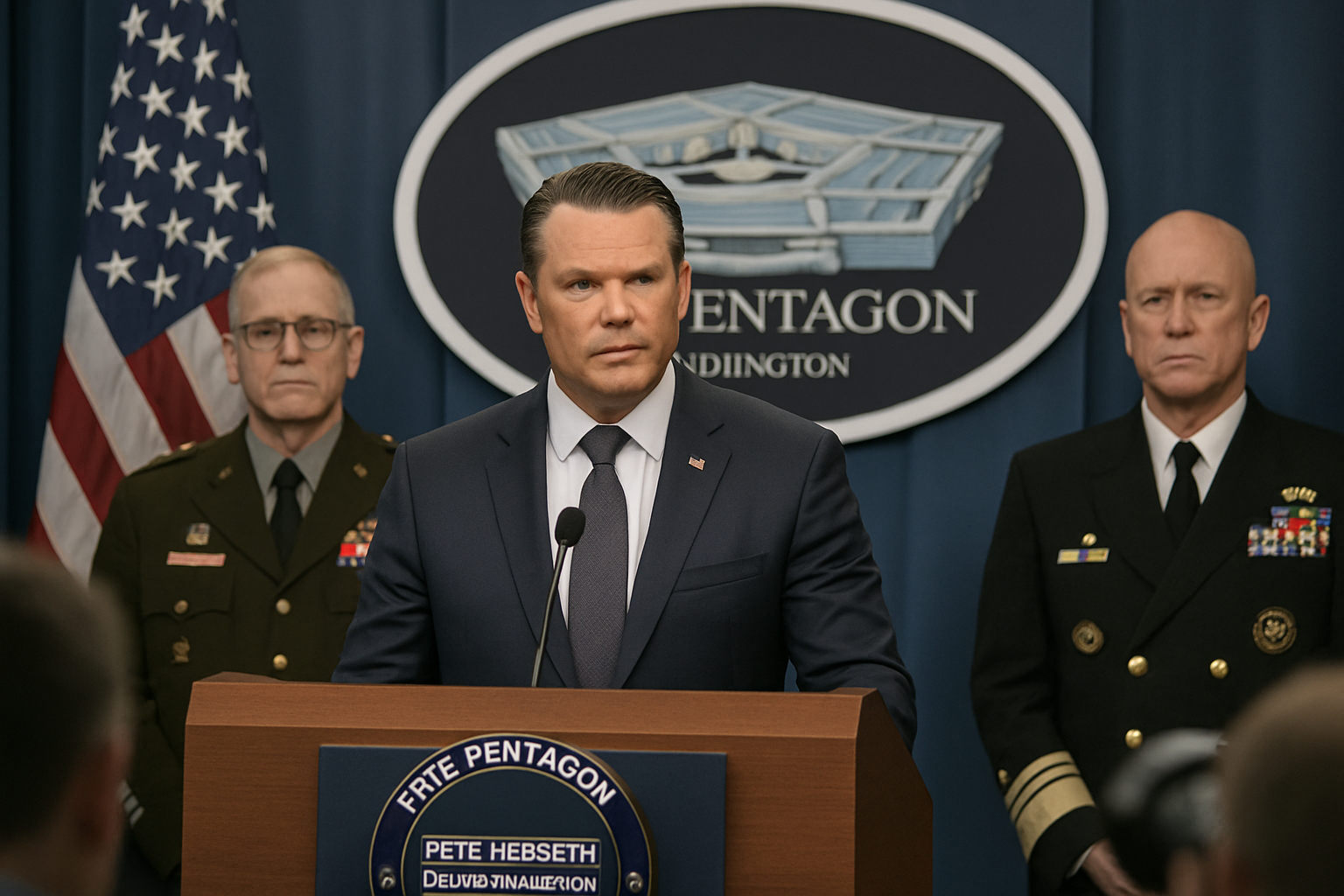
Defense Secretary Pete Hegseth sparked a viral international controversy after mistakenly quoting dialogue from Quentin Tarantino's 1994 film "Pulp Fiction" during a Wednesday Pentagon prayer service, believing it to be Biblical scripture.
The gaffe occurred during a prayer session where Hegseth claimed American military pilots recite a passage from the Book of Ezekiel before search-and-rescue operations. However, social media users quickly identified the quote as originating from Samuel L. Jackson's character Jules Winnfield in Tarantino's iconic crime film, not from Biblical text.
International Media Coverage Spreads Rapidly
The incident generated widespread international coverage across multiple languages and continents, highlighting the global attention paid to statements from senior U.S. officials. Austrian outlet Der Standard reported that the controversial Defense Secretary "made use of a famous film monologue for a Pentagon service," while Italian news agency ANSA noted "the Pentagon chief's gaffe is going viral on the web."
Swedish media outlet SvD confirmed that "US Defense Secretary Pete Hegseth mixed up the Bible with Tarantino's film 'Pulp Fiction' during a Pentagon service," citing entertainment publication Variety as a source. The story's rapid spread across European media demonstrates the international scrutiny facing Trump administration officials.
Pentagon Spokesperson Defends Hegseth
Pentagon spokesperson Sean Parnell vigorously defended Hegseth in a coordinated response, characterizing media reports as "ignorant of reality." The administration chose a confrontational approach rather than acknowledging the mistake, reflecting a broader pattern of attacking critics versus addressing underlying issues when controversies arise.
"This is another example of the media's ignorant mischaracterization of Secretary Hegseth's distinguished service record and commitment to our military personnel."
— Sean Parnell, Pentagon Spokesperson
The defensive response highlighted the administration's preference for challenging media narratives rather than engaging in damage control when officials make public mistakes.
Broader Pattern of Communication Challenges
This latest controversy adds to a series of communication missteps that have characterized Hegseth's tenure as Defense Secretary. Previous incidents have included severing ties with Harvard University over "woke" ideology concerns, clashing with Congress over military operations costs, and involvement in strained relationships with international allies.
The Pulp Fiction incident highlights ongoing message discipline challenges within the Trump administration, raising questions about administrative competence and international credibility that affect diplomatic relationships during a period of significant global tensions.
Cultural and Political Implications
The controversy demonstrates the intersection of popular culture and political discourse in the digital age, where gaffes can rapidly achieve global reach through social media amplification. The fact that a senior defense official could confuse a violent crime film with religious scripture raised concerns about cultural literacy among high-level government officials.
Media coverage across multiple continents showed the intense international scrutiny that Trump administration officials face, with complications for alliance management during ongoing foreign policy challenges. European outlets emphasized the embarrassing nature of the mistake for a top defense official, while highlighting concerns about the administration's overall competence.
Historical Context of Pentagon Communications
The incident occurred against the backdrop of Hegseth's controversial tenure, which has included unprecedented actions such as completely severing Pentagon ties with Harvard University and engaging in legal battles with AI companies over military technology access. These previous controversies have established a pattern of confrontational responses to criticism rather than traditional diplomatic damage control.
The prayer service gaffe represents another example of how cultural references can become political flashpoints, particularly when religious themes intersect with popular entertainment. The mistake underscores challenges facing officials who must navigate both domestic religious sensibilities and international diplomatic protocols.
Media Response and Verification
International news outlets quickly fact-checked the biblical attribution, with multiple sources confirming that the quote originated from Tarantino's screenplay rather than religious text. The rapid verification process demonstrated how modern media ecosystems can quickly expose factual errors made by public officials.
The story's viral nature reflected broader patterns in contemporary political communication, where cultural missteps by senior officials can quickly become international news stories with lasting diplomatic ramifications.
Impact on Pentagon Credibility
The controversy raised questions about the Pentagon's internal briefing processes and whether adequate preparation occurs for public religious ceremonies. Critics noted that confusing violent film dialogue with scripture suggested either insufficient preparation or concerning gaps in cultural awareness among senior defense leadership.
The incident also highlighted tensions between the administration's confrontational communication style and traditional expectations for measured responses from defense officials during controversial moments. The choice to attack media coverage rather than acknowledge the error reflected broader administrative patterns that have complicated international relationships.
International Implications
European media coverage characterized the incident as embarrassing for the U.S. defense establishment, with particular attention to how such gaffes affect America's global leadership credibility. The widespread international reporting demonstrated how domestic political controversies can quickly become diplomatic complications.
The fact that a defense secretary could mistake popular culture for religious text resonated internationally as a symbol of broader concerns about American leadership competence during a period of significant global security challenges.