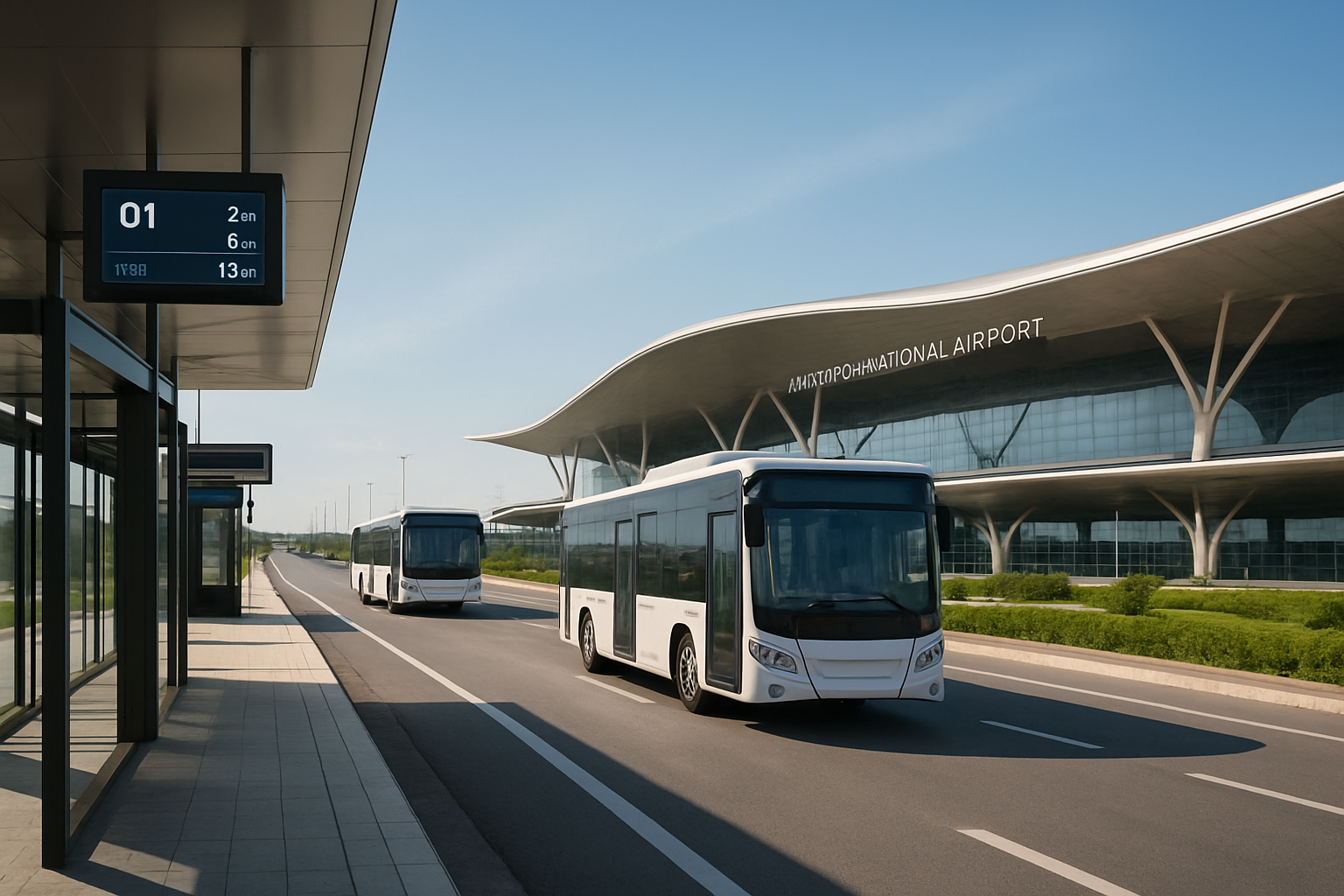
Ho Chi Minh City has unveiled plans for an ambitious 13-route bus network to connect Vietnam's economic powerhouse with the upcoming Long Thanh International Airport in neighboring Dong Nai Province, representing a transformative leap in Southeast Asian transportation infrastructure.
The comprehensive bus network initiative emerges as a critical component of Vietnam's broader $120 billion commitment to building 9,000 kilometers of expressways by 2050, positioning the nation as Southeast Asia's premier logistics hub while addressing the complex transportation challenges facing the region's largest planned aviation gateway.
Strategic Infrastructure Milestone
Long Thanh International Airport, scheduled for commercial operations in the fourth quarter of 2026, represents Southeast Asia's most ambitious aviation infrastructure project, designed to serve as the region's largest aviation hub. The current three-hour journey between Ho Chi Minh City center and the airport site presents a fundamental challenge that the new bus network aims to resolve through systematic connectivity improvements.
The 13 direct bus routes will establish high-quality airport connections spanning approximately 60 kilometers, incorporating advanced passenger processing systems, real-time monitoring capabilities, and climate-resilient design standards that have become mandatory requirements for modern transportation infrastructure. This initiative builds upon earlier announcements of seven preliminary bus routes, demonstrating the project's evolution toward comprehensive regional connectivity.
Vietnam's Infrastructure Renaissance Context
These developments occur within an unprecedented $570 billion global infrastructure investment surge, with Vietnam positioning itself at the forefront of this international modernization effort. The country's infrastructure strategy encompasses multiple transportation modes, including the emergency construction of the Ben Thanh-Thu Thiem Metro Line No. 2, a $1.25 billion project designed to create strategic city center-airport connectivity.
Prime Minister Pham Minh Chinh's directive accelerating Long Thanh International Airport construction reflects Vietnam's recognition that sophisticated transportation planning extends far beyond traditional airport development. The integration of multiple transportation modes – highways, metro lines, and comprehensive bus networks – demonstrates a sophisticated understanding of 21st-century infrastructure requirements.
"The success of Long Thanh International Airport depends not just on runways and terminals, but on seamless connectivity that serves both international travelers and local communities."
— Transportation Infrastructure Analyst, quoted in VnExpress English
Technology Integration and Climate Adaptation
Contemporary infrastructure projects universally incorporate sophisticated technology integration from the design phase, including real-time monitoring systems, predictive maintenance capabilities, digital payment platforms, and environmental optimization features. The planned bus network will leverage these advanced systems while addressing climate adaptation requirements that have become central to modern transportation planning.
With January 2026 marking the 18th consecutive month of global temperatures exceeding 1.5°C above pre-industrial levels, the new bus routes must incorporate enhanced drainage systems, weather-resistant materials, and backup power capabilities designed for future rather than historical climate conditions. This forward-looking approach reflects lessons learned from recent extreme weather events that have highlighted infrastructure vulnerabilities across Southeast Asia.
Regional Economic Impact
The economic multiplier effects of this transportation infrastructure extend substantially beyond construction employment. Reduced logistics costs, enhanced market access, and improved business productivity will support ASEAN regional integration objectives while strengthening Vietnam's position as a competitive destination for international business and tourism.
The comprehensive bus network creates permanent technical employment opportunities while facilitating labor market flexibility between major economic centers. Previous infrastructure investments in Vietnam have demonstrated that strategic transportation development generates broader economic benefits including increased property values along transit corridors, enhanced tourism accessibility, and improved quality of life for residents.
- Direct construction employment for thousands of workers during the multi-year implementation period
- Permanent operational positions in bus operations, maintenance, and customer service
- Enhanced connectivity supporting tourism sector growth and business travel
- Reduced transportation costs benefiting both residents and commercial activities
- Improved access to employment opportunities across the metropolitan region
International Cooperation and Financing Innovation
Vietnam's infrastructure success increasingly relies on sophisticated international cooperation models that combine technical expertise, innovative financing mechanisms, and knowledge sharing frameworks. The Long Thanh airport connectivity project benefits from decades of international transportation planning experience while maintaining national ownership and operational control.
Modern infrastructure financing combines public-private partnerships, international development cooperation, and commercial investment structures that enable developing nations to undertake previously impossible projects. The success of Vietnam's approach provides templates for other Southeast Asian countries facing similar connectivity challenges while balancing rapid economic growth with environmental sustainability requirements.
Broader Global Infrastructure Context
The Ho Chi Minh City bus network initiative occurs within a remarkable global infrastructure renaissance that includes major projects across multiple continents. Recent developments include Croatia's expansion of sustainable transportation networks, Algeria's modernization of public transport systems, and significant aviation infrastructure improvements throughout the Asia-Pacific region.
This coordinated international approach to infrastructure modernization reflects a fundamental shift in viewing transportation networks as strategic foundations for economic competitiveness, climate adaptation, and international cooperation rather than simple physical assets. Countries worldwide are recognizing that sophisticated infrastructure planning determines long-term prosperity and regional influence in an increasingly interconnected global economy.
Implementation Challenges and Solutions
The ambitious timeline for the 13-route bus network faces several implementation challenges that are common to major infrastructure projects worldwide. Material cost inflation has affected construction budgets globally, while skilled labor shortages require innovative training programs and international technical assistance.
Environmental compliance has evolved from optional considerations to fundamental project requirements, with comprehensive environmental impact assessments, community consultation processes, and ongoing monitoring systems becoming standard features. The global semiconductor shortage affecting smart infrastructure components has driven innovation toward more efficient algorithms and distributed processing systems.
Success factors identified from similar international projects include sustained political commitment that transcends electoral cycles, transparent governance structures that maintain public confidence, comprehensive stakeholder engagement that includes community voices, and adaptive management approaches that respond to changing conditions while maintaining core objectives.
Future Implications for Southeast Asian Development
The Long Thanh airport connectivity project establishes precedents that will influence transportation development strategies throughout Southeast Asia for decades ahead. The convergence of technological advancement, environmental awareness, and international cooperation creates development models that prioritize sustainability alongside economic growth.
Other regional capitals are closely monitoring Vietnam's integrated approach to aviation, rail, and bus transportation connectivity. The success of this comprehensive strategy could catalyze similar projects throughout ASEAN, creating a more integrated regional transportation network that supports economic cooperation, cultural exchange, and sustainable development objectives.
Strategic Significance for Vietnam's Future
April 2026 represents a watershed moment for Vietnamese infrastructure development, with the country systematically building the physical foundations for sustainable prosperity in an uncertain but interconnected future. The choice between transformative adaptation and reactive crisis management becomes increasingly urgent as climate action windows narrow while urbanization and economic pressures intensify worldwide.
Vietnam's sophisticated project management approach, integrating international best practices with local expertise and community engagement, demonstrates how developing nations can balance immediate development needs with long-term sustainability requirements. This balanced approach addresses unique geographic and economic challenges while contributing to broader global connectivity objectives.
The 13-route bus network connecting Ho Chi Minh City to Long Thanh International Airport represents far more than a transportation project—it embodies Vietnam's strategic vision for becoming a regional leader in sustainable infrastructure development, international cooperation, and innovative solutions to 21st-century connectivity challenges. The success of this initiative will likely influence infrastructure planning and international cooperation frameworks throughout Southeast Asia and beyond, establishing Vietnam as a model for effective infrastructure modernization in the developing world.