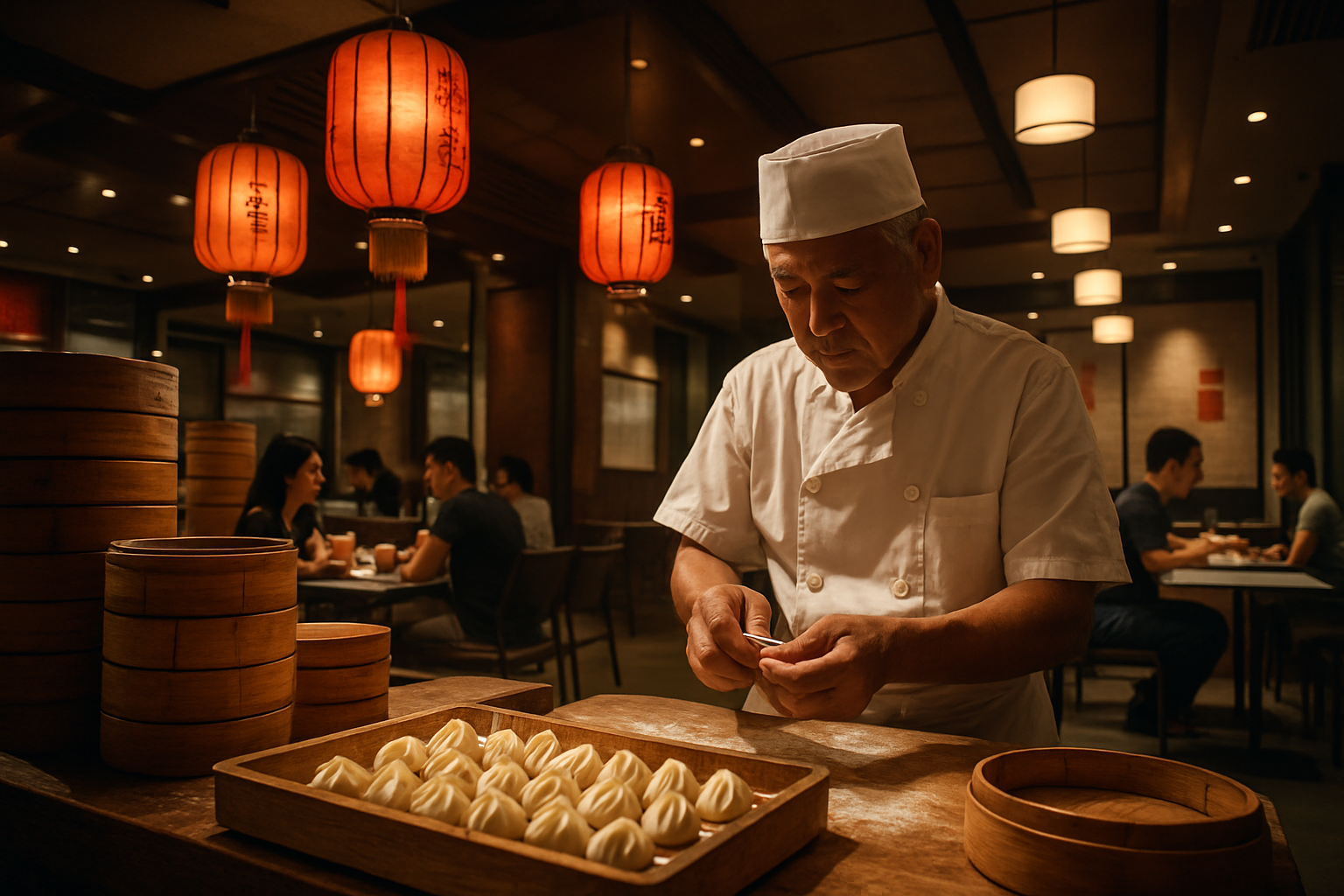
Hong Kong's traditional Chinese dining landscape is undergoing a structural overhaul, with leading restaurant operators pivoting to experiential dining and smaller footprints amid a wave of closures and residents heading across the border for shopping and dining.
The transformation has affected some of Hong Kong's most established culinary institutions. Traditional dim sum and Chinese restaurants have been closing across the city, including three Star Seafood Restaurant branches in districts such as Wong Tai Sin, and the 35-year-old Metropol Restaurant in Admiralty. These closures reflect broader economic pressures facing the territory's food service industry as consumer behavior fundamentally shifts.
The Scale of Industry Transformation
The restaurant closures come at a time when Hong Kong faces multiple challenges. Cross-border dining has become increasingly popular as residents travel to mainland China for both shopping and dining experiences, drawn by lower costs and novelty. This trend has intensified pressure on local establishments already struggling with high operating costs and changing consumer preferences.
The closures are not limited to traditional Chinese establishments. The broader food service sector has experienced significant upheaval, with businesses forced to adapt or face extinction. Leading operators like Martin Lee have acknowledged the need for fundamental changes in how restaurants operate and engage with customers.
Experiential Dining as Survival Strategy
In response to these challenges, forward-thinking restaurant operators are embracing experiential dining concepts that offer more than just food. This approach combines high-quality cuisine with interactive elements, entertainment, and unique atmospheres designed to create memorable experiences that justify premium pricing and encourage repeat visits.
The shift toward experiential dining aligns with global trends observed in markets from Singapore to Argentina, where restaurants are finding success by offering authentic cultural experiences rather than competing solely on convenience or price. This transformation represents a sophisticated understanding that modern diners, particularly younger generations, prioritize meaningful experiences over standardized offerings.

Smaller Footprints, Higher Efficiency
Alongside experiential dining, many operators are downsizing their physical footprints to reduce overhead costs while maintaining service quality. This trend reflects lessons learned from the pandemic, where smaller, more nimble operations often proved more resilient than large-scale establishments.
The shift to smaller footprints also allows restaurants to focus on specialty offerings rather than extensive menus, enabling better quality control and more efficient operations. This approach has been successful in other markets, where focused concepts have commanded premium pricing despite reduced seating capacity.
Border Competition and Consumer Behavior
The rise of cross-border dining represents one of the most significant challenges facing Hong Kong's restaurant industry. Mainland Chinese cities near Hong Kong offer dining experiences at significantly lower price points, creating competitive pressure that local establishments struggle to match through cost reduction alone.
This cross-border trend reflects broader economic and social dynamics affecting Hong Kong. As travel restrictions have eased, residents have increasingly explored dining options beyond the territory, leading to a fundamental shift in consumption patterns that restaurants must address through differentiation rather than direct competition.
"The industry is at a crossroads where traditional approaches are no longer sustainable. We need to offer something unique that people cannot get elsewhere."
— Industry Observer
Cultural Heritage at Risk
The transformation of Hong Kong's restaurant industry extends beyond economics to cultural preservation. Traditional establishments that have served as community gathering places for decades are disappearing, potentially taking with them irreplaceable aspects of Hong Kong's culinary heritage and social fabric.
The closure of establishments like the 35-year-old Metropol Restaurant represents more than business failure—it signals the potential loss of traditional cooking techniques, recipes, and dining cultures that have defined Hong Kong's identity for generations. This cultural dimension adds urgency to finding sustainable business models that can preserve culinary traditions while meeting contemporary market demands.
Technology and Innovation Integration
Successful restaurant transformations in Hong Kong increasingly incorporate technology not as a replacement for human service, but as an enhancement tool. Digital ordering systems, social media marketing, and data analytics help restaurants understand customer preferences and optimize operations while maintaining the personal touch that characterizes Hong Kong's dining culture.
The integration of technology with traditional hospitality reflects broader global trends where restaurants leverage digital tools to enhance rather than replace authentic cultural experiences. This approach has proven successful in markets where cultural authenticity commands premium pricing.
Regional Context and Global Trends
Hong Kong's restaurant industry transformation occurs within a broader Asian context where food service sectors across the region are adapting to post-pandemic realities. Singapore has seen significant tourism recovery with premium dining experiences, while mainland Chinese cities have developed sophisticated food scenes that compete directly with Hong Kong offerings.
The challenges facing Hong Kong restaurants mirror those in other international cities where high operating costs, changing consumer behavior, and increased competition require fundamental business model adaptations. Success stories from other markets suggest that restaurants focusing on authentic cultural experiences, community engagement, and operational efficiency can thrive even in challenging environments.
Economic Implications and Future Outlook
The restaurant industry's transformation has significant economic implications for Hong Kong beyond immediate employment concerns. The food service sector traditionally serves as an entry point for entrepreneurs and provides employment across skill levels. Industry restructuring affects suppliers, landlords, workers, and the broader economy through multiplier effects.
However, the transformation also creates opportunities for innovation and differentiation. Restaurants that successfully adapt to new realities may emerge stronger and more competitive, potentially attracting both local customers and tourists seeking authentic Hong Kong dining experiences unavailable elsewhere.
Looking Forward
The future of Hong Kong's restaurant industry will likely depend on successful integration of traditional culinary excellence with contemporary business practices. Establishments that can offer authentic Hong Kong dining experiences while operating efficiently and engaging effectively with customers may find sustainable paths forward.
The transformation represents both challenge and opportunity for Hong Kong's culinary landscape. While the loss of established restaurants is concerning, the innovation and adaptation occurring throughout the industry may ultimately strengthen Hong Kong's position as a distinctive culinary destination in an increasingly competitive regional market.
As the industry continues evolving, the restaurants that survive and thrive will likely be those that understand their role extends beyond serving food to preserving culture, building community, and creating experiences that justify their place in Hong Kong's expensive urban landscape. The next phase of this transformation will determine whether Hong Kong's restaurant industry can maintain its cultural significance while achieving economic sustainability in a rapidly changing world.