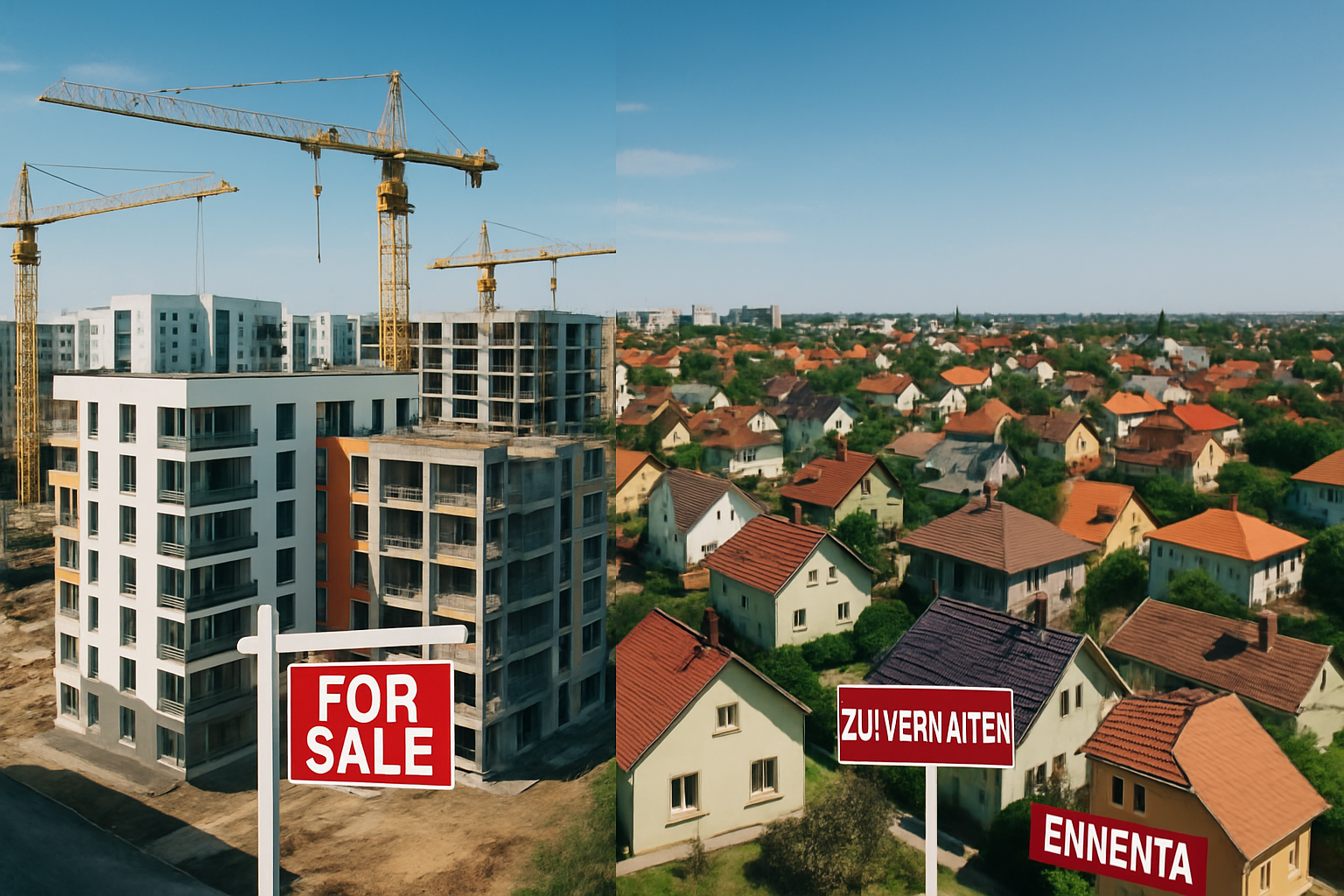
Global housing markets are sending mixed signals in early 2026, with some regions experiencing significant price pressures while others grapple with infrastructure challenges and development opportunities that highlight the complex dynamics reshaping residential property worldwide.
From the steppes of Kazakhstan to the historic neighborhoods of Manhattan, housing markets are displaying divergent trends that reflect both local regulatory changes and broader global economic forces affecting affordability, supply, and investment patterns.
Kazakhstan Leads Regional Price Surge
Kazakhstan's housing market experienced dramatic transformation in 2025, with new regulations fundamentally reshaping demand patterns and price trajectories across the country. According to market experts, prices per square meter increased 15.7% year-over-year in the primary market and 14.6% in the secondary market, significantly outpacing the country's inflation rate.
The price surge has been driven by multiple factors, including tighter rules for developers, anticipated tax changes, and rising pension contributions that have created urgency among buyers. This regulatory pressure has pushed demand beyond traditional urban centers toward regional markets, creating a geographic redistribution of housing investment.
"New regulations reshaped Kazakhstan's housing market in 2025, pushing demand beyond major cities toward regional centers as prices rose faster than inflation."
— Market Analysis Report, The Astana Times
The 15.7% price increase represents one of the most significant annual jumps in the region, reflecting both policy-driven demand and underlying supply constraints. This trend builds upon broader Central Asian housing market dynamics, where regulatory changes often have outsized impacts on pricing due to relatively smaller market sizes and concentrated development patterns.
Netherlands Faces Critical Infrastructure Challenge
In stark contrast to Kazakhstan's price-driven growth, the Netherlands is confronting a more fundamental challenge to its housing stability. Research reveals that almost 20 percent of homeowners associations (VvE's) currently lack sufficient reserves to cover essential maintenance in the coming years, creating a potential crisis for thousands of residential properties.
This maintenance funding shortage represents a significant threat to housing quality and long-term property values across Dutch residential markets. The issue highlights broader challenges facing mature housing markets, where aging infrastructure requires substantial ongoing investment that may not be adequately planned or funded through current management structures.
The situation in the Netherlands reflects similar challenges being observed across European markets, where decades-old residential buildings require increasing maintenance investments while homeowners face affordability pressures. This creates a complex dynamic where deferred maintenance can lead to larger, more expensive problems in the future.
Luxury Market Transformations in Manhattan
The luxury segment of global housing markets continues to generate significant attention, as demonstrated by recent developments in Manhattan's most exclusive neighborhoods. The iconic Waldorf Astoria hotel is undergoing a comprehensive renovation that includes the restoration of emblematic spaces, private residences, and hotel facilities, representing a major transformation of one of New York's most prestigious properties.
Additionally, Manhattan's narrowest residence—the house at 75½ Bedford Street in the West Village—has been sold, marking the end of an era for a property that once housed numerous celebrities including Cary Grant. The Dutch-style house, measuring just 2.9 meters wide, had served as home to famous residents throughout its history, reflecting the unique character of Manhattan's historic residential architecture.
These high-profile transactions underscore the continued strength of luxury housing markets in major global cities, even as affordability challenges affect broader residential markets. The transformation of the Waldorf Astoria into a mixed-use development combining hotel and residential components reflects broader trends toward luxury residential conversions in prime urban locations.
Global Context and Market Dynamics
The divergent trends observed across these markets reflect broader global housing dynamics that have been shaping residential property since early 2024. Historical analysis shows that housing markets worldwide have been experiencing unprecedented pressures from multiple sources, including regulatory changes, construction cost inflation, and shifting demographic patterns.
Construction industry challenges have become particularly acute, with rising material costs creating negative profit margins for developers across multiple regions. This supply-side pressure contributes to price increases in markets like Kazakhstan while potentially limiting new development in more mature markets.
Regional Development Opportunities
Despite challenges in some markets, significant development opportunities continue to emerge across different regions. Argentina's property market, for instance, has been showing renewed confidence with rental prices increasing 2.7% in January 2026 after a stable 2025, indicating growing economic optimism under current government policies.
The Buenos Aires microcentro, particularly the San Nicolás district, remains a commercial hub with major corporations maintaining significant presence in emblematic towers. Coastal destinations like Pinamar and Cariló are gaining investment interest as year-round residential options beyond their traditional seasonal use patterns.
These development opportunities reflect broader global trends where investors and residents are seeking alternatives to traditional urban centers, driven by changing work patterns, lifestyle preferences, and relative affordability considerations.
Policy Implications and Market Outlook
The mixed signals from global housing markets underscore the complex policy challenges facing governments worldwide. From Kazakhstan's regulatory-driven price increases to the Netherlands' maintenance funding crisis, different regions require distinctly different approaches to housing policy.
Market observers note that successful housing policies must balance multiple objectives: ensuring affordability for residents, maintaining adequate supply through developer incentives, and preserving housing quality through appropriate maintenance and infrastructure investment. This balance becomes increasingly difficult as global economic conditions create both opportunities and constraints for different market participants.
Looking ahead, housing markets are likely to continue showing divergent patterns based on local regulatory environments, economic conditions, and demographic trends. The key challenge for policymakers will be developing frameworks that can respond to these diverse conditions while maintaining overall market stability and housing accessibility for residents across different income levels.
As global housing markets navigate these complex dynamics, the experiences of different regions provide valuable insights into the various approaches needed to address modern housing challenges, from price volatility to infrastructure maintenance and luxury market development.