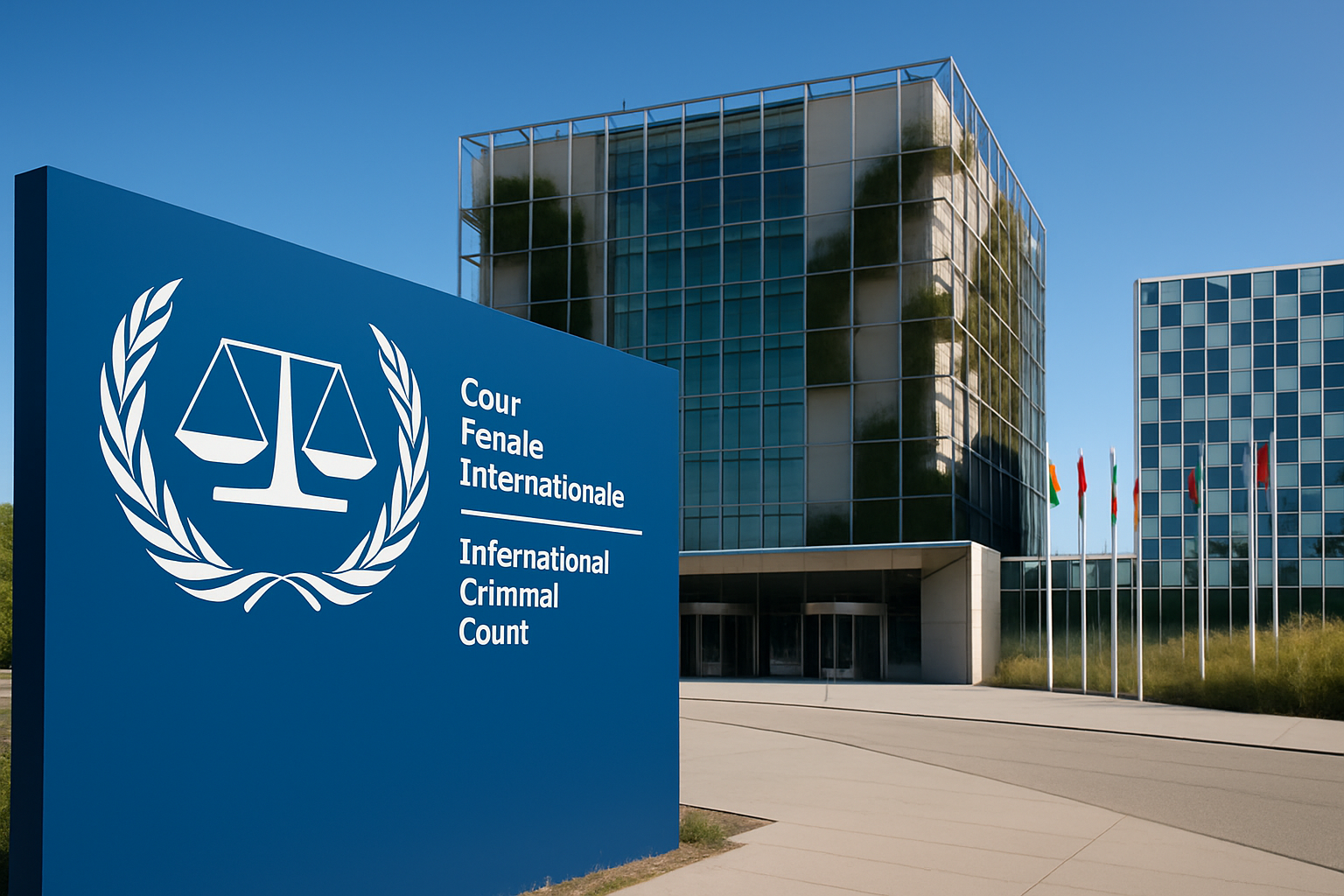
The International Criminal Court Appeals Chamber has definitively rejected former Philippine President Rodrigo Duterte's final appeal against the court's jurisdiction, clearing all remaining legal roadblocks for a potential trial on charges of crimes against humanity. The decision represents the third and final time the ICC has affirmed its authority over the case despite the Philippines' withdrawal from the Rome Statute.
The Appeals Chamber junked Duterte's appeal on Wednesday, April 22, 2026, on the issue of jurisdiction in what legal observers describe as a comprehensive rejection that leaves "no other legal corner to turn to now" for the defense team. The ruling removes the last procedural obstacle that could have resulted in the dismissal of the entire case and Duterte's release from detention.
Unanimous Rejection with Single Dissent
The Chamber voted separately on various issues with unanimous decisions on most matters, with the lone dissenting vote coming from Judge Gocha Lordkipanidze of Georgia—the same judge who dissented in the 2023 proceedings. This consistency in opposition highlights the overwhelming judicial consensus supporting the court's jurisdiction.
"The Philippines formally withdrew its International Criminal Court membership in 2018, and the defense had argued this meant the court had no jurisdiction over the case," according to reporting from The Japan Times. However, the ICC has consistently maintained jurisdiction over crimes committed before the Philippines' 2019 withdrawal from the Rome Statute, establishing a crucial precedent that states cannot escape international accountability through strategic treaty departures.
Historic Victim Participation
The case has granted participation rights to over 500 victims—the largest number in ICC history, representing an evolution toward victim-centered international justice. This unprecedented level of victim involvement includes families of drug war victims, communities affected by vigilante killings, and civil society organizations that have documented violations over years.
The victims, who gathered tearfully at the University of the Philippines Quezon City to applaud the ruling, represent what legal experts describe as a watershed moment for international criminal law. Their participation has fundamentally altered the traditional prosecutorial approach to focus more comprehensively on those most affected by the alleged crimes.
Three Counts of Crimes Against Humanity
The charges against Duterte involve systematic murder spanning his 2016-2022 presidency and his earlier period as Davao City mayor. Prosecutors allege Duterte played a "pivotal" role in systematic murders, enforced disappearances, and torture conducted by security forces and vigilante groups, representing what they characterize as a "widespread systematic attack against the civilian population."
The case encompasses both Duterte's presidency and his tenure as mayor of Davao City, where he allegedly pioneered many of the tactics later employed on a national scale during his "war on drugs" campaign. The comprehensive scope of the charges reflects years of documentation by human rights organizations and testimony from victims and witnesses.
Non-Cooperation and Innovative Evidence Gathering
Duterte continues to refuse participation in the proceedings, calling them "illegitimate," forcing prosecutors to rely on documentary evidence, international investigations, victim testimonies, and civil society documentation. This non-cooperation has prompted the development of innovative evidence-gathering techniques that may serve as templates for future international criminal cases involving uncooperative defendants.
Defense counsel Nicholas Kaufman indicated the team was not surprised by the Appeals Chamber decision and would now focus on the trial as the only remaining path for Duterte's potential return to the Philippines. The comprehensive nature of the rejection suggests exhausted legal avenues for challenging the court's authority.
Regional and Political Implications
The proceedings cast a significant shadow over Philippine politics, particularly affecting Vice President Sara Duterte's 2028 presidential candidacy. Sara Duterte has framed the ICC proceedings as "foreign interference," while current President Ferdinand Marcos Jr. has adopted a more cooperative stance with international institutions, representing a clear departure from the previous administration's approach.
The case represents the first potential prosecution of a Southeast Asian leader for crimes against humanity, establishing crucial precedents for international criminal law application in the region. Countries across Southeast Asia, many of which have implemented similar anti-narcotics policies, are closely monitoring the proceedings for their broader implications.
International Support and Skepticism
The European Union and human rights organizations have expressed strong support for the proceedings, viewing them as essential for upholding international criminal law principles. However, some Asian governments remain skeptical, viewing the case as potentially undermining sovereignty. The United States has maintained a measured approach, supporting accountability while expressing concerns about potential judicial overreach.
The case has become a test of the ICC's effectiveness in addressing alleged crimes by powerful political figures and demonstrates the persistence of legal accountability mechanisms despite state non-cooperation. The extensive victim participation and innovative prosecution methods may influence how future international criminal cases are structured and conducted.
Path to Trial and Historical Significance
With the jurisdictional challenge resolved, the case now moves toward potential trial proceedings. If the evidentiary threshold is met during confirmation hearings, a full trial could commence that would likely last years as one of the ICC's most high-profile cases. Given Duterte's non-participation stance, proceedings would likely continue in absentia.
The Stakes extend far beyond individual accountability to the evolution of international criminal law in the 21st century. The case tests whether international justice mechanisms can effectively address systematic state violence while respecting due process and constitutional protections. Success or failure will influence public confidence in international criminal justice and may determine approaches to similar cases involving non-cooperative states.
The confidence among drug war victims is steadily growing as they find 'great hope' in the decision that their lawyers were nervous about before, according to victim advocacy groups. This represents a crucial moment for international criminal justice, demonstrating that even powerful political figures cannot indefinitely evade accountability for alleged systematic human rights violations.
Unprecedented International Criminal Law Development
Legal experts emphasize that the ICC's persistence in maintaining jurisdiction despite the Philippines' withdrawal establishes a critical precedent for international law. The principle that states cannot escape accountability through strategic departures from international treaties represents a significant evolution in international criminal justice.
The case also demonstrates the increasing sophistication of international criminal proceedings, with extensive victim participation, innovative evidence-gathering methods in non-cooperative contexts, and comprehensive documentation of systematic violations spanning multiple years and jurisdictions.
As the case moves forward, it will continue to test the boundaries of international criminal law while providing crucial opportunities for victim participation and potential accountability for alleged crimes against humanity. The final resolution will establish precedents that influence international criminal justice for decades to come.