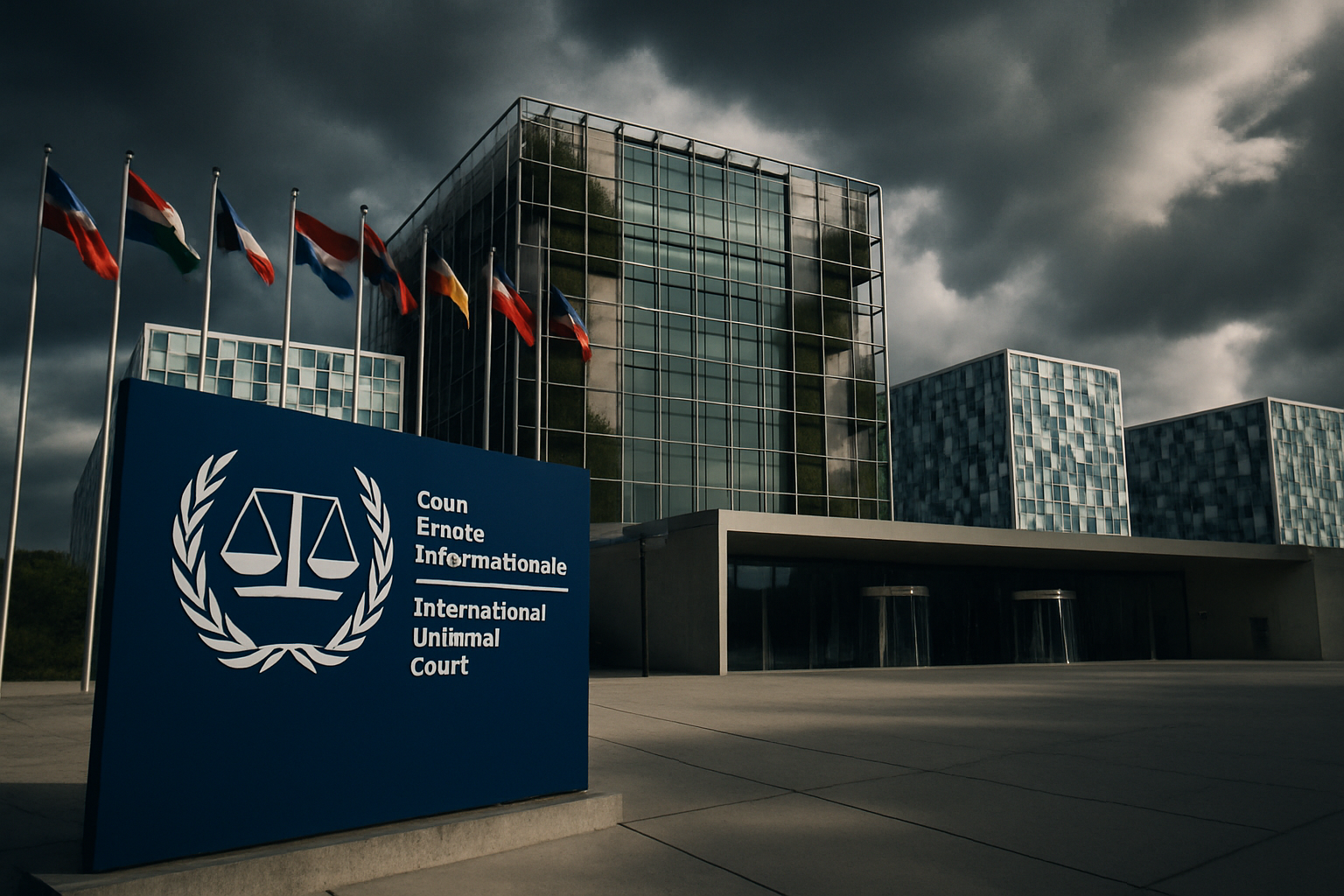
The International Criminal Court at The Hague commenced historic confirmation of charges hearings against former Philippine President Rodrigo Duterte on February 23, 2026, marking the most significant international justice proceedings against a Southeast Asian leader in modern history.
Prosecutors at the world's permanent war crimes tribunal accused Duterte of being "pivotal" in the systematic murder of thousands of people during his presidency from 2016-2022 and earlier tenure as Davao City mayor. The former president faces three counts of crimes against humanity involving murder, with prosecutors alleging the charges represent only "a fraction of the real death toll" from his controversial "war on drugs."
The Charges and Legal Framework
The ICC's Office of the Prosecutor has charged Duterte with systematic killings, enforced disappearances, and torture carried out by both security forces and vigilante groups as part of what prosecutors describe as a "widespread and systematic attack against the civilian population." The charges span both his presidential term and his earlier period as Davao City mayor, where similar anti-drug policies were implemented.
According to court documents, the prosecution alleges Duterte personally authorized murders and selected specific victims, demonstrating the systematic nature of the alleged crimes. The legal threshold for crimes against humanity under the Rome Statute requires proof of widespread or systematic attacks against civilians, which prosecutors claim to have established through extensive evidence gathering.
"The evidence shows a systematic pattern of violence that meets the definition of crimes against humanity under international law. This goes beyond individual criminal acts to systematic state policy targeting civilians."
— ICC Prosecutor, speaking at opening statements
Unprecedented Victim Participation
In a groundbreaking development for international criminal justice, over 500 victims have been granted participation rights in the proceedings—the largest number in ICC history. This represents an evolution from earlier international tribunals that focused primarily on prosecutorial evidence to a more victim-centered approach that provides those affected by alleged crimes a platform to seek justice.
Legal experts describe this as a watershed moment for international accountability mechanisms, particularly given the systematic nature of the alleged persecution. The victims' participation includes those who lost family members during anti-drug operations, communities affected by vigilante killings, and civil society organizations documenting human rights violations.
Duterte's Absence and Legal Response
Notably absent from the proceedings, Duterte has refused to participate in what he consistently calls "illegitimate" proceedings. His legal team has challenged the court's jurisdiction, arguing that the Philippines' withdrawal from the ICC in 2019 invalidates current proceedings. However, international law experts emphasize that the court retains jurisdiction over crimes committed before the withdrawal became effective.
The former president's daughter, current Vice President Sara Duterte, recently announced her candidacy for the 2028 presidential election amid these proceedings, adding a political dimension to the legal challenges. Her campaign has framed the ICC proceedings as foreign interference in Philippine sovereignty, echoing her father's rhetoric.
Political Context and Regional Implications
The hearings occur during a period of significant political transition in the Philippines. Current President Ferdinand Marcos Jr. has adopted a more cooperative stance with international institutions compared to his predecessor, though he has not explicitly endorsed the ICC proceedings. The Duterte family maintains substantial political influence, particularly in Mindanao, where support for the former president's anti-drug policies remains strong.
Regional observers across Southeast Asia are closely monitoring the proceedings, as several countries in the region have implemented similar hard-line drug policies. The case could establish crucial precedents for how international law applies to state-led anti-narcotics campaigns that result in civilian casualties.
Evidence and Investigative Challenges
Prosecutors face significant challenges in evidence gathering, given the non-cooperation of the accused and limited access to Philippine territory during the investigation phase. The court has relied extensively on documentary evidence, international investigators, victim testimonies, and civil society documentation to build its case.
International legal experts note that the confirmation hearings will determine whether prosecutors have presented sufficient evidence to establish "substantial grounds" for believing the accused committed the alleged crimes. If confirmed, the case would proceed to a full trial that could last several years.
International Response and Legal Significance
The proceedings have garnered support from European Union institutions, human rights organizations, and legal scholars who view them as crucial for upholding international criminal law. However, some Asian governments have expressed skepticism, viewing the case as potentially undermining national sovereignty in addressing internal security challenges.
The United States has taken a measured approach, supporting accountability efforts while expressing concerns about potential court overreach. This reflects broader tensions about the role of international justice institutions in addressing alleged crimes by non-party states.
Implications for International Justice
Legal scholars describe the Duterte case as potentially one of the ICC's most significant proceedings to date, given its implications for accountability of former heads of state and the court's expanding reach into Asia, where international criminal justice has traditionally had limited influence.
The case represents a critical test of the ICC's effectiveness in addressing alleged crimes by powerful political figures, particularly those who refuse to cooperate with proceedings. Success in securing meaningful accountability could strengthen the court's deterrent effect, while failure might embolden other leaders to dismiss international justice mechanisms.
Looking Ahead
The confirmation hearings are expected to continue for several weeks, with judges ultimately deciding whether sufficient evidence exists to authorize a full trial. If confirmed, the case would mark the first time the ICC has prosecuted a Southeast Asian leader for crimes against humanity.
The proceedings occur against the backdrop of Sara Duterte's presidential campaign and ongoing debates about the legacy of her father's administration. The intersection of legal accountability and electoral politics adds another layer of complexity to what is already one of the most significant international criminal cases of the 21st century.
The outcome will likely influence not only Philippine politics but also the broader development of international criminal law and its application to state policies that result in systematic violations of human rights. As the proceedings continue, they represent both a test of international justice institutions and a defining moment for accountability in Southeast Asia's largest archipelagic democracy.