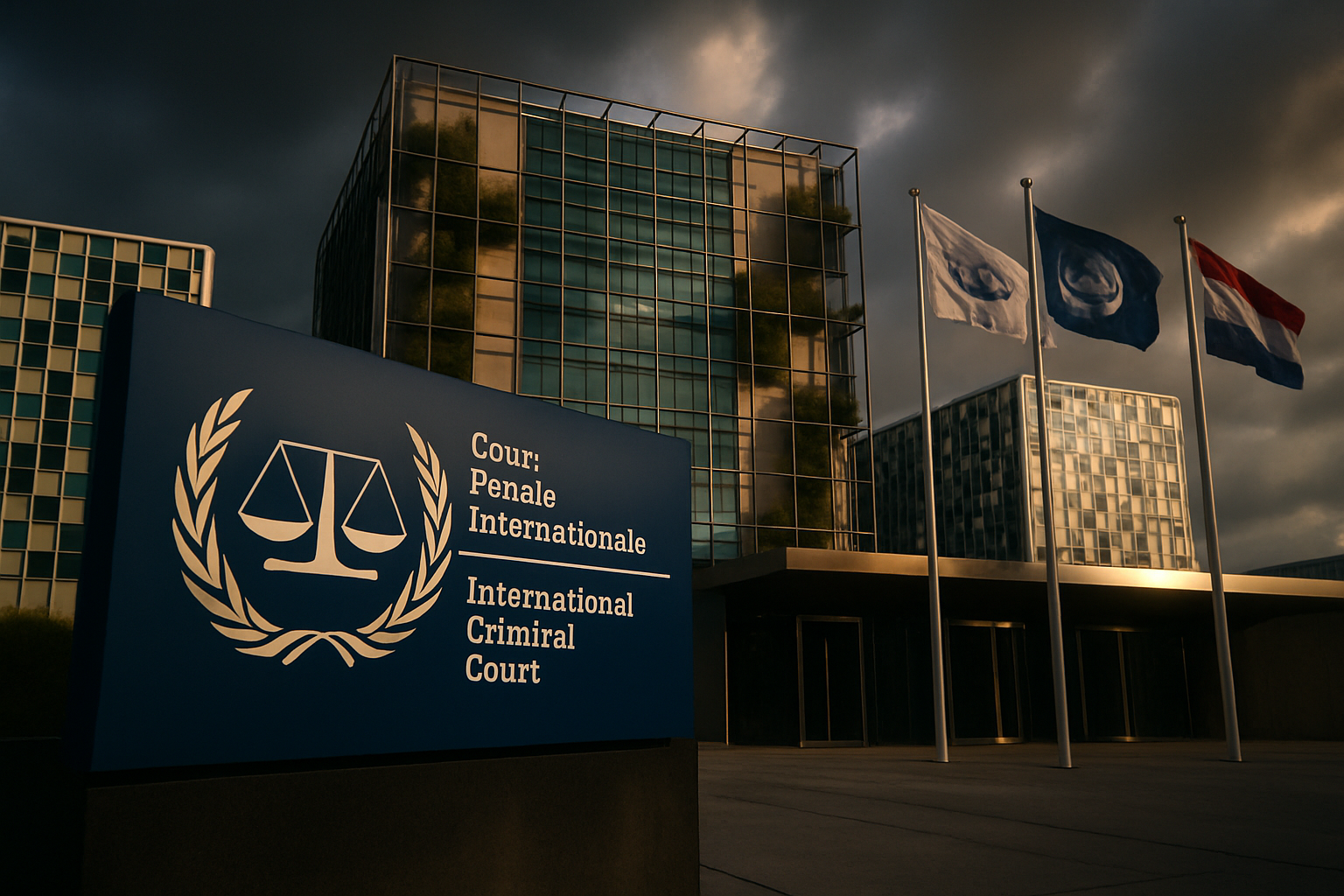
The International Criminal Court Appeals Chamber on Wednesday definitively rejected former Philippine President Rodrigo Duterte's final legal challenge to the court's jurisdiction, removing the last procedural roadblock to a potential trial on crimes against humanity charges related to his "war on drugs" campaign.
Families of victims hailed the decision as a "vindication" after the Appeals Chamber refused to throw out the case against Duterte, who has been held at The Hague since March 2025. The ruling upholds the Pre-Trial Chamber's 2025 decision and represents the most significant step toward accountability for alleged systematic killings during Duterte's presidency from 2016 to 2022.
Unanimous Decision Removes Legal Roadblocks
The Appeals Chamber voted unanimously on most matters, with only Judge Gocha Lordkipanidze of Georgia dissenting—the same judge who previously dissented in similar proceedings in 2023. Legal observers noted this comprehensive rejection means there are "no other legal corners to turn to now" for Duterte's defense team.
Duterte's lawyers had argued that the ICC lacked authority to try him because the Philippines withdrew from the Rome Statute in 2019. However, the court maintained its jurisdiction over crimes committed before the withdrawal, establishing a crucial precedent that states cannot escape accountability through strategic treaty departures.
"This is a historic moment for the entire international criminal justice system. It demonstrates that no one is above the law, regardless of their former position or power."
— Legal analyst following ICC proceedings
Defense Team Focuses on Path Forward
Nicholas Kaufman, Duterte's chief defense counsel, said on Wednesday that the defense was not surprised by the Appeals Chamber's decision to reject the jurisdiction appeal. He emphasized that the defense team is now focused on the trial phase, believing it is the only way the former president can eventually return to the Philippines.
Kaufman will retain his position as chief defense counsel should the charges be confirmed in the upcoming proceedings. The defense strategy appears to be shifting from jurisdictional challenges to preparing for potential trial proceedings on the substantive charges.
Unprecedented Victim Participation
The case has seen over 500 victims granted participation rights—the largest number in ICC history, representing an evolution toward victim-centered international justice. The victims include families of those killed in drug operations, communities affected by vigilante killings, and civil society organizations that documented violations.
Victims gathered at the University of the Philippines Quezon City, applauding tearfully as news of the ruling spread. This historic level of victim participation demonstrates the court's commitment to giving those affected by alleged crimes a voice in the proceedings.
Charges and Allegations
Duterte faces three counts of crimes against humanity involving systematic murder spanning both his presidency and his earlier period as mayor of Davao City. Prosecutors allege he played a "pivotal" role in systematic murders, enforced disappearances, and torture carried out by security forces and vigilante groups.
The charges represent what prosecutors describe as a "widespread and systematic attack against the civilian population," meeting the threshold for crimes against humanity under the Rome Statute. The allegations cover both the high-profile "war on drugs" campaign during his presidency and earlier alleged systematic killings in Davao City.
Political Ramifications in the Philippines
The ICC proceedings continue to cast a shadow over Philippine politics, particularly affecting Vice President Sara Duterte's 2028 presidential candidacy. Sara Duterte has framed the ICC proceedings as "foreign interference," while President Ferdinand Marcos Jr. has maintained a more cooperative stance with international institutions.
The Duterte family maintains significant influence, particularly in Mindanao, but the ongoing proceedings are increasingly polarizing Philippine politics. The case represents a critical test of how international criminal justice intersects with domestic political dynamics in Southeast Asia's largest democracy.
Regional and International Implications
This would be the first potential prosecution of a Southeast Asian leader for crimes against humanity, marking a watershed moment for international criminal law in the region. The case is being closely monitored across Southeast Asia, where governments have implemented similar anti-narcotics policies.
The European Union and human rights organizations have expressed support for the proceedings, viewing them as upholding international criminal law. However, some Asian governments remain skeptical, viewing the case as potentially undermining sovereignty principles.
Path to Trial
With the jurisdictional challenge now resolved, the case moves toward potential trial proceedings. If the Pre-Trial Chamber determines that the evidentiary threshold has been met during confirmation hearings, a full trial could commence that would likely last years as one of the ICC's most high-profile cases.
The proceedings would likely continue in absentia given Duterte's stated refusal to participate, which he has consistently called "illegitimate." This approach would force prosecutors to rely on documentary evidence, international investigations, victim testimonies, and civil society documentation.
Historical Significance
The case represents a critical test of the ICC's effectiveness in addressing alleged crimes by powerful political figures, demonstrating the persistence of legal accountability despite non-cooperation. The extensive victim participation and innovative prosecution methods being developed may influence future international criminal cases.
The stakes extend beyond individual accountability to the broader evolution of international criminal law in the 21st century, particularly regarding how democratic institutions can respond to alleged systematic state violence while preserving due process and constitutional protections.
As the case proceeds to its next phase, it will continue to test the balance between national sovereignty and international accountability, potentially setting precedents that will influence international criminal justice for decades to come.