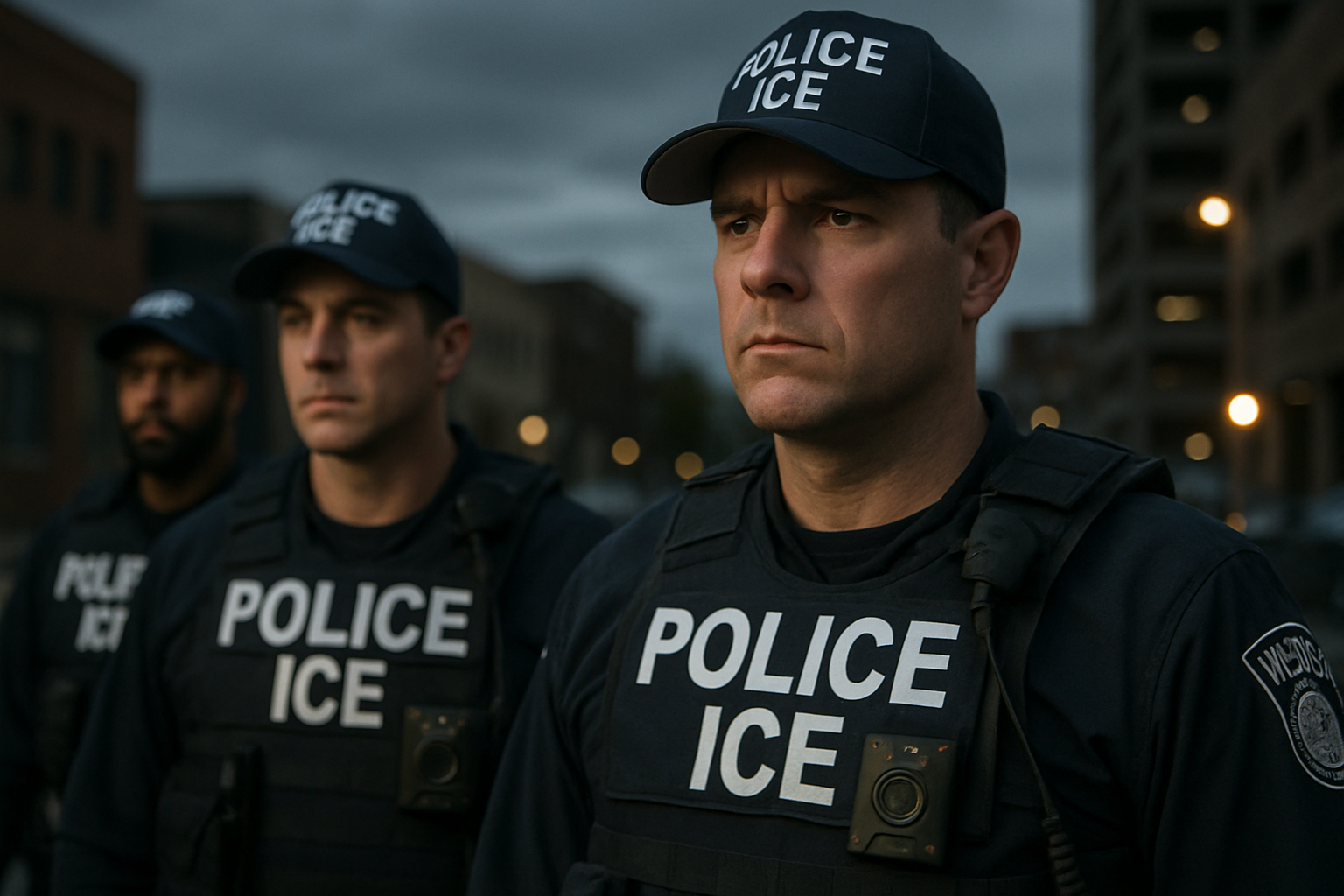
US Immigration and Customs Enforcement (ICE) agents will be required to wear body cameras during field operations following the deadly shootings of two protesters in Minneapolis, as Department of Homeland Security Secretary Kristi Noem announced the immediate implementation of the new policy on February 2, 2026.
The policy change represents a direct response to mounting public pressure and Congressional demands for increased accountability in federal immigration enforcement, particularly after the controversial incidents that sparked nationwide protests and contributed to a three-day partial government shutdown.
Minneapolis Incidents Trigger Policy Reform
The body camera mandate comes after federal immigration agents fatally shot two US citizens, Alex Pretti and Renee Nicole Good, during enforcement operations in Minneapolis. The shootings occurred amid heightened immigration enforcement activities in the city, where tensions had already been escalating over cases such as the detention of five-year-old Liam Conejo Ramos and his father Adrian Conejo Arias in January.
According to sources familiar with the incidents, the fatal shootings sparked immediate protests in Minneapolis, with demonstrators demanding greater accountability and transparency in federal immigration enforcement operations. Memorial sites with candles, flowers, and signs have been established in the city to remember the victims.
"Washington is responding to a wave of unrest and the tragic deaths of two demonstrators,"
— Slovak News Source, Aktuality.sk
The incidents became a flashpoint in broader debates about immigration enforcement tactics and federal authority, ultimately contributing to the partial government shutdown that began in late January as Democrats in Congress demanded comprehensive reforms to ICE operations.
Congressional Pressure and Democratic Demands
Democratic lawmakers had been pushing for enhanced oversight measures for federal immigration agents, including requirements for officers to wear visible identification badges and prohibitions on covering their faces during operations. The body camera requirement represents a significant victory for Congressional Democrats who had made federal enforcement accountability a key demand in budget negotiations.
House Speaker Mike Johnson had indicated that Congress would debate comprehensive ICE reforms for two weeks following the resolution of the government shutdown, suggesting that the body camera mandate may be just the first of several policy changes affecting federal immigration enforcement.
The immediate implementation of body cameras for all federal officers operating in Minneapolis demonstrates the administration's recognition of the severity of the situation and the need for rapid de-escalation of tensions in the city.
Historical Context and Broader Implications
This policy shift occurs against the backdrop of increasingly controversial immigration enforcement operations under the current administration. The detention of the Ecuadorian asylum-seeking family in January, including young Liam Conejo Ramos who was photographed in his Spider-Man backpack, had already drawn federal court criticism and community organizing efforts in Minneapolis.
Federal Judge Fred Biery's scathing ruling ordering the family's release from the South Texas Family Residential Centre in Dilley had signaled growing judicial concern about immigration enforcement practices. The judge's unprecedented inclusion of the child's photograph in the court order highlighted the human impact of enforcement policies.
The requirement for body cameras in Minneapolis specifically addresses concerns about accountability and transparency that have been raised by civil rights organizations, immigrant advocacy groups, and community leaders following a series of controversial enforcement actions.
Implementation and Oversight
Secretary Noem's directive requires immediate deployment of body cameras for all federal agents conducting field operations in Minneapolis. The policy represents a significant technological and procedural shift for ICE operations, which have traditionally operated with less external oversight compared to local police departments that have increasingly adopted body camera programs.
The body camera footage is expected to provide crucial evidence in future investigations of enforcement actions and could serve as protection for both federal agents and community members during interactions. The implementation details, including data storage, access protocols, and review procedures, will likely be subjects of ongoing Congressional oversight.
International media outlets have been covering the Minneapolis situation as indicative of broader tensions within the US immigration system and federal law enforcement practices, with German and other European news sources closely following the developments.
Community Response and Future Outlook
Community organizations in Minneapolis that had been mobilizing around previous immigration enforcement incidents welcomed the body camera requirement as a step toward accountability, though many advocates indicated that additional reforms would be necessary to address underlying concerns about federal immigration operations.
The policy change may serve as a precedent for similar requirements in other cities where ICE operations have generated controversy. Legal experts suggest that the Minneapolis implementation could become a model for broader federal law enforcement accountability measures.
As Congress prepares to take up comprehensive ICE reforms, the body camera mandate represents both an immediate response to crisis and potentially the beginning of more substantial changes to how federal immigration enforcement operates in communities across the United States. The effectiveness of the policy in reducing tensions and improving accountability will likely influence future reform discussions and implementation timelines.