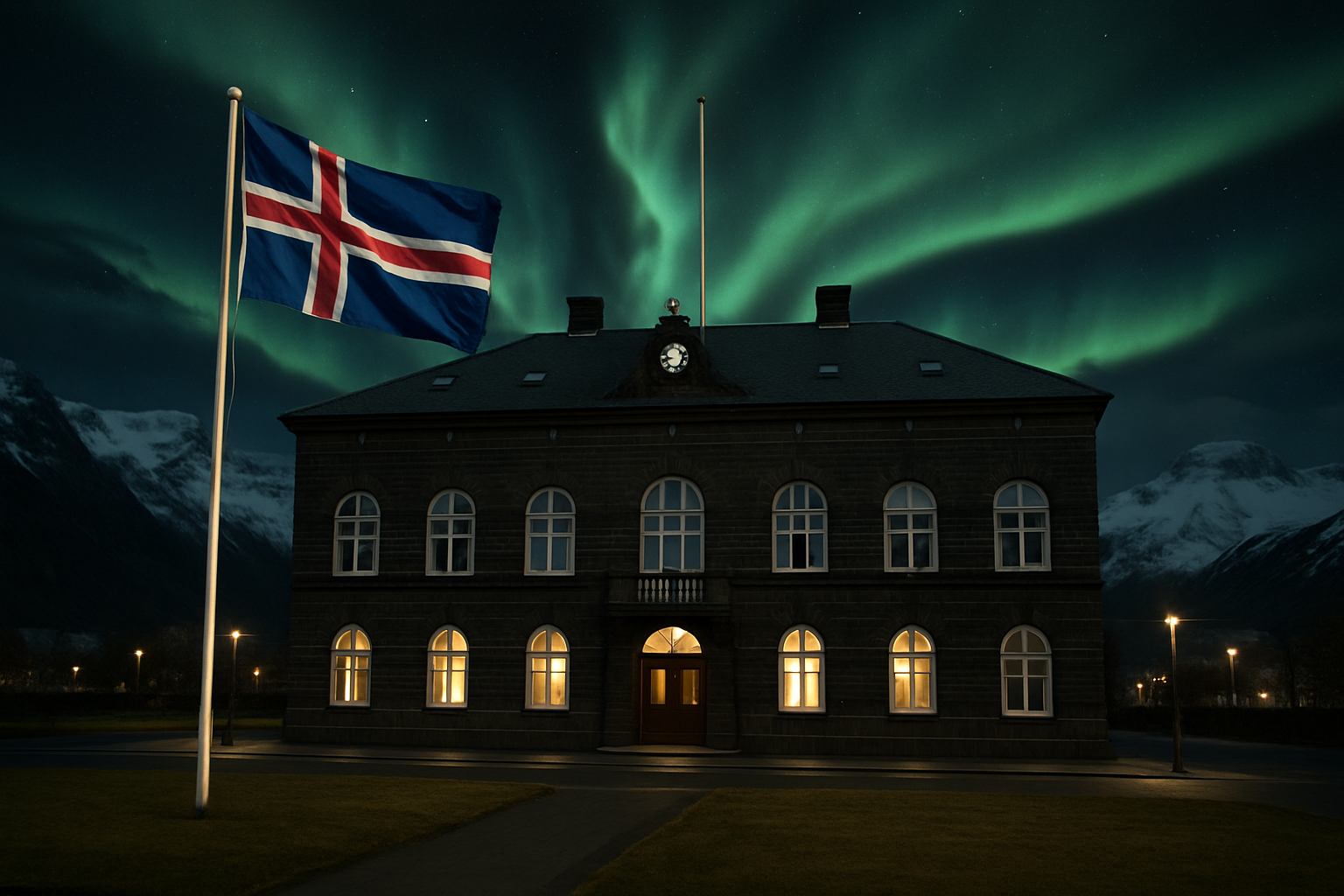
Iceland will hold a referendum on European Union membership negotiations within the coming months, Prime Minister Kristrún Frostadóttir announced during a press conference in Poland, marking a significant acceleration from the previously anticipated 2027 timeline.
The announcement represents a dramatic shift in Iceland's European integration trajectory, with the referendum potentially taking place as early as August 2026 according to Slovak media reports. This timeline compression signals growing interest in deeper integration with the European community amid ongoing geopolitical and economic pressures.
Breaking from Previous Timeline
Slovak sources indicate the referendum could occur in August, substantially earlier than the original 2027 target. This acceleration reflects what observers describe as "growing interest in integration with the community" and demonstrates how rapidly changing circumstances can influence national strategic decisions.
The timing coincides with broader European integration momentum, as the continent grapples with unprecedented challenges from ongoing conflicts, economic pressures, and shifting global alliances. Iceland's decision comes at a moment when European unity has gained increased public support, with recent Eurobarometer polling showing 89% of Europeans demanding greater EU unity and 86% wanting a stronger global voice.
European Context and Strategic Considerations
Iceland's referendum announcement occurs against the backdrop of significant European developments throughout February 2026. The EU has been strengthening its institutional mechanisms and pursuing enhanced cooperation policies to bypass national vetoes on critical issues. This includes historic financial commitments, such as the €90 billion Ukraine aid package, and accelerated defense coordination initiatives.
The Nordic nation's consideration of EU membership reflects broader regional trends toward European integration. Countries across the continent have been reassessing their relationships with Brussels amid external pressures and internal momentum for collective action.
Domestic Political Dynamics
Prime Minister Frostadóttir's announcement during her Poland visit suggests coordinated diplomatic engagement with European partners ahead of the referendum announcement. The acceleration from 2027 to potentially August 2026 indicates internal political consensus supporting faster integration processes.
Iceland's unique position as a North Atlantic island nation with strong democratic institutions and advanced economy makes it an attractive potential EU member. The country already participates in various European frameworks through its European Economic Area membership and Schengen Agreement participation.
Historical Precedent and EU Enlargement
Iceland's potential referendum comes as the EU continues its enlargement discussions with Western Balkan countries and maintains ongoing negotiations with various candidate nations. Recent developments show Brussels actively supporting regional integration through initiatives like the EastInvest program for border regions and continued financial support for democratic transitions.
The referendum announcement also follows patterns seen across Europe where national governments are accelerating European integration timelines in response to external challenges and internal democratic demands for stronger collective action.
Economic and Security Implications
Iceland's EU membership considerations occur amid broader European discussions about economic sovereignty and strategic autonomy. The EU has been developing initiatives like the digital euro and enhanced defense cooperation mechanisms that could significantly benefit smaller member states.
For Iceland, EU membership would provide access to enhanced economic integration, strengthened security cooperation, and participation in emerging European strategic initiatives. The timing suggests recognition that geopolitical developments require stronger institutional frameworks and collective responses.
Regional and International Response
The announcement comes as Nordic countries have been strengthening their European commitments. Sweden and Denmark recently announced significant defense cooperation initiatives, while Finland continues its active EU engagement following its NATO membership.
Iceland's referendum decision also reflects broader North Atlantic security considerations, particularly as Arctic regions gain increased strategic importance due to climate change and geopolitical competition.
Looking Ahead
The referendum timing and outcome will have implications beyond Iceland's borders. Success could encourage other European countries considering deeper integration, while demonstrating democratic pathways for enhanced European cooperation.
Prime Minister Frostadóttir's government will need to build public consensus around the benefits of EU membership while addressing concerns about sovereignty and national autonomy. The accelerated timeline suggests confidence in achieving positive results through comprehensive public engagement.
As Europe continues navigating complex global challenges, Iceland's referendum represents another significant step in the continent's ongoing integration journey. The coming months will determine whether this North Atlantic democracy joins the European Union's institutional framework, potentially setting precedents for future enlargement processes and democratic integration mechanisms.