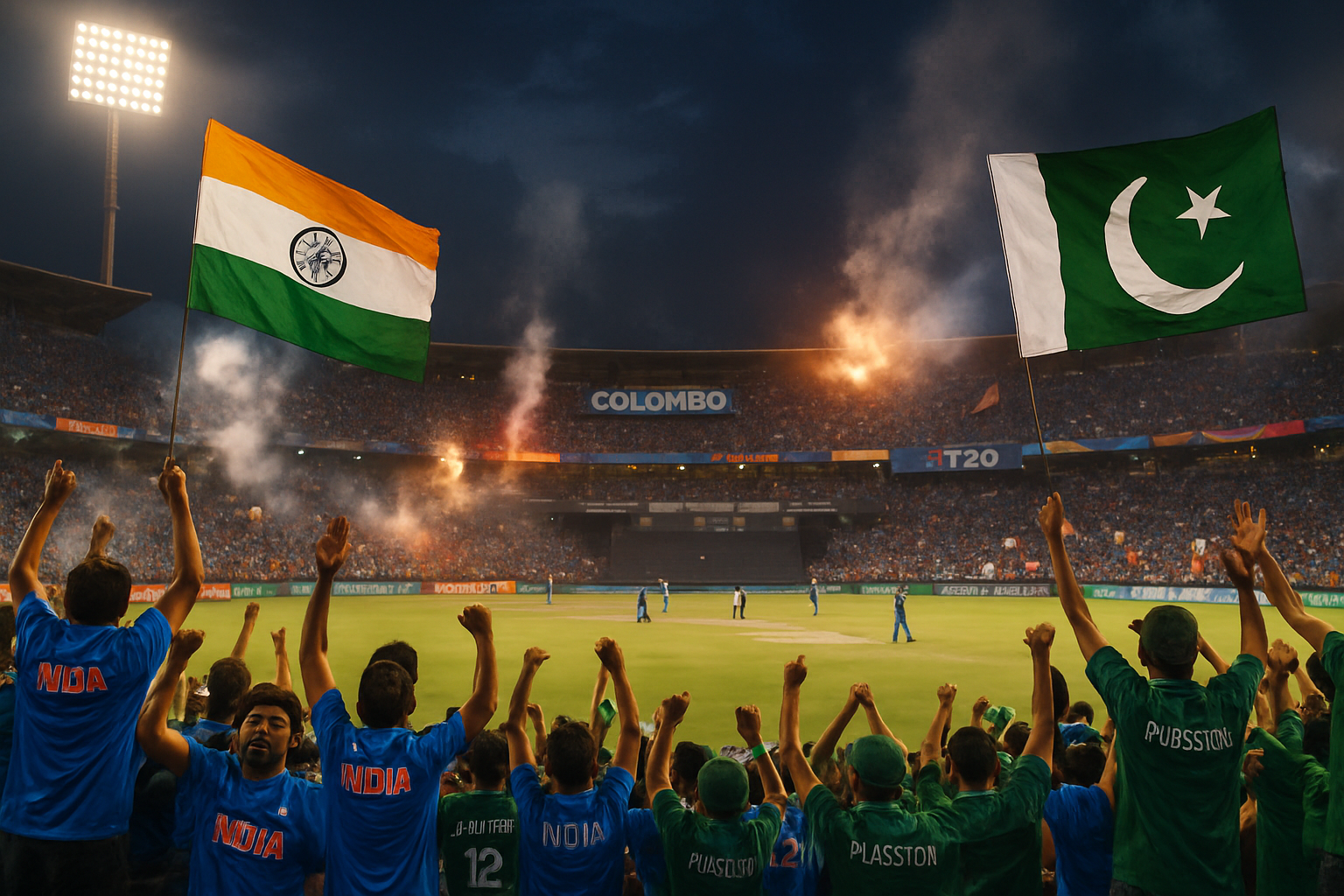
India and Pakistan faced off in a dramatic T20 World Cup Group A match in Colombo on Sunday, February 15, 2026, delivering a spectacle that transcended sport to become a triumph of cricket diplomacy and a massive economic boost for host nation Sri Lanka.
The highly anticipated showdown at the R. Premadasa Stadium drew international attention not just for the on-field action, but for the extraordinary diplomatic journey that nearly saw Pakistan boycott the fixture entirely. The match, which proceeded with sold-out crowds and heightened security, generated millions in tourism revenue for Sri Lanka while demonstrating cricket's unique ability to bridge political divides.
From Crisis to Celebration: The Boycott That Never Was
Just two weeks earlier, this marquee fixture hung in the balance after Pakistan announced a boycott of the match in solidarity with Bangladesh over safety concerns regarding tours to India. The Pakistan Cricket Board (PCB), citing government instructions, initially invoked Force Majeure provisions, threatening to forfeit crucial Group A points while continuing participation in the rest of the tournament.
The crisis deepened when Pakistan's government maintained its boycott position even after Bangladesh was replaced by Scotland in the tournament field. Captain Salman Agha confirmed the team would seek government approval if they reached knockout stages and potentially faced India again.
"The India game is not in our control. It was the government's decision and if we have to play them in the semi-final or the final, we will go back to them and act on their advice."
— Salman Agha, Pakistan Captain
However, intensive diplomatic negotiations involving the ICC, Bangladesh Cricket Board, and formal requests from Sri Lanka and other member nations ultimately led to Pakistan's government reversing the boycott decision on February 10. The breakthrough came after a phone conversation between PM Shehbaz Sharif and Sri Lankan President Anura Kumara Dissanayake, demonstrating cricket's power as a diplomatic tool.
Sri Lanka's Golden Opportunity
The resolution of the boycott crisis proved to be a massive windfall for Sri Lankan tourism and the local economy. Industry sources confirm that the India-Pakistan fixture typically generates among the highest viewership and economic impact of any cricket match globally, with over 400 million expected viewers worldwide.
Hotels in Colombo reported full occupancy in the days leading up to the match, with many establishing special packages for cricket fans traveling from both nations. The tourism boost comes at a crucial time for Sri Lanka's economy, which has been recovering from recent challenges.
Local businesses, from restaurants to souvenir vendors, experienced unprecedented demand as fans from both countries descended on Colombo. The match generated significant foreign exchange earnings through ticket sales, hospitality, accommodation, and related tourism activities.
The Match Atmosphere
With bilateral cricket between India and Pakistan a casualty of their strained political relations, emotions ran particularly high at the R. Premadasa Stadium. The 35,000-capacity venue was sold out weeks in advance, with heightened security measures reflecting the significance of the fixture.
In a notable diplomatic gesture reflecting ongoing tensions, India captain Suryakumar Yadav chose not to shake hands with his Pakistan counterpart Salman Agha at the toss, though both teams maintained sporting conduct throughout the match proceedings.
The stadium atmosphere was electric, with passionate supporters from both nations creating a wall of sound that reflected cricket's unique position in South Asian culture. Fans traveled from across the region specifically for this fixture, many describing it as a "once-in-a-lifetime" experience given the rarity of India-Pakistan encounters.
Economic Impact and Tourism Benefits
Tourism industry analysts estimate that the India-Pakistan match generated tens of millions of dollars in direct economic impact for Sri Lanka. This includes not just match-day revenue, but the broader tourism ecosystem that benefits from such high-profile sporting events.
The match served as a powerful advertisement for Sri Lanka as a cricket destination, with live global television coverage showcasing the island nation's hospitality and sporting infrastructure. Tourism officials report increased inquiries about future cricket tours and general tourism packages following the match's global exposure.
For many local businesses, the India-Pakistan fixture represented a significant revenue opportunity despite having no direct connection to either team. Street vendors, taxi drivers, restaurants, and hotels all reported exceptional business during the match period.
Cricket Diplomacy in Action
The successful staging of the match despite initial political obstacles demonstrates cricket's unique role in South Asian diplomacy. The sport serves as one of the few remaining channels for positive engagement between India and Pakistan, with matches often attracting viewership that exceeds populations of either country.
Former England captain Nasser Hussain had backed Pakistan's initial stance against "intrusion of politics into sport," but the ultimate resolution showed how cricket can also serve as a bridge for political reconciliation.
The ICC's handling of the crisis, working with member boards and government officials to find a diplomatic solution, established important precedents for managing political challenges in international cricket. The success reinforces cricket's position as a sport capable of transcending geopolitical tensions.
Broader Tournament Context
The India-Pakistan match took place within a tournament that has been marked by political undercurrents but ultimately showcased sporting excellence. The T20 World Cup 2026, being held across venues in India and Sri Lanka, has featured strong performances from associate nations and demonstrated the global growth of cricket.
Zimbabwe's upset victory over Australia earlier in the tournament highlighted the increasing competitiveness of smaller cricketing nations, while the India-Pakistan fixture reminded observers why certain matches transcend sport to become cultural phenomena.
Both teams needed Group A points for Super Eight qualification, adding sporting significance to an already charged atmosphere. The match outcome had implications not just for tournament progression but for bragging rights in one of sport's greatest rivalries.
Looking Forward
The successful resolution of the boycott crisis and staging of the match provides a template for managing political tensions in international sport. It demonstrates that with sufficient diplomatic effort and goodwill from all parties, sporting events can proceed despite underlying political challenges.
For Sri Lankan cricket and tourism, the match represents a significant success story. The positive global coverage and economic benefits reinforce the country's position as a premier cricket destination capable of hosting major international fixtures.
The match also highlighted cricket's enduring popularity across South Asia and its unique ability to bring together communities despite political divisions. As both teams continue their World Cup campaigns, the Colombo fixture will be remembered as much for its off-field diplomacy as its on-field action.
The triumph of cricket diplomacy over political tensions offers hope that sport can continue to serve as a bridge between nations, even in an increasingly polarized world. The images of passionate fans from both countries celebrating cricket in Colombo provide a powerful reminder of sport's unifying potential when given the chance to flourish beyond political boundaries.