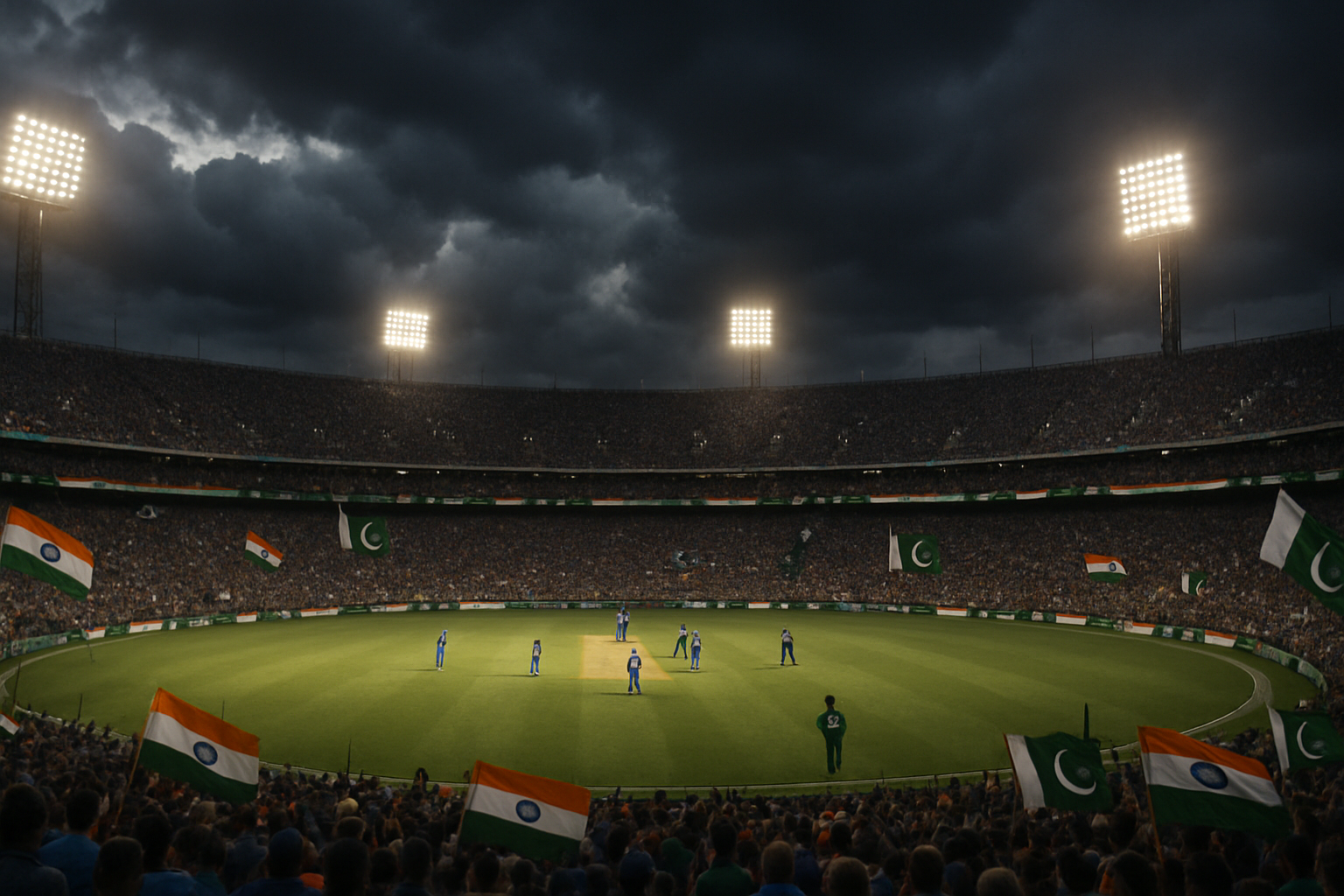
The cricket world's most anticipated fixture - India vs Pakistan in the T20 World Cup 2026 - faces a dramatic weather threat as rain clouds gather over Colombo's R. Premadasa Stadium ahead of Sunday's evening clash.
This high-stakes encounter, scheduled for 7 PM IST on February 15, represents far more than just another cricket match. It marks the culmination of a diplomatic crisis that nearly derailed the tournament, with Pakistan having initially boycotted the fixture before reversing their decision just days ago.
Weather Concerns Cast Shadow Over Cricket's Biggest Rivalry
Meteorological reports indicate significant rain risk for the Colombo region, raising concerns about potential match disruption. According to International Cricket Council (ICC) regulations, a minimum of five overs per side must be completed for a result to be declared. Should weather prevent this minimum threshold, both teams would receive one point each - a scenario that could have profound implications for Group A standings.
The financial stakes are enormous. Broadcasting partners Star Sports and streaming platform JioHotstar face potential massive revenue losses from cancelled advertisements if the match is washed out. Sri Lanka Cricket, the host board, would be forced to process thousands of ticket refunds, representing a significant financial blow to the organization.
"The India vs Pakistan match is the crown jewel of any cricket tournament. A washout would be devastating not just financially, but for the millions of fans who have waited for this moment."
— Broadcasting Industry Source
Political Drama Resolved, Sporting Drama Begins
The path to Sunday's fixture has been anything but smooth. Pakistan initially announced a complete boycott of the India match on February 1, 2026, citing solidarity with Bangladesh and blaming India for recent Balochistan attacks that claimed 48 lives. The decision threatened to forfeit two crucial Group A points and potentially exclude Pakistan from the tournament entirely.
However, intensive diplomatic negotiations involving the ICC, Bangladesh Cricket Board, and multiple member nations resulted in a dramatic reversal on February 10. Prime Minister Shehbaz Sharif's direct intervention, following conversations with Sri Lankan President Anura Kumara Dissanayake, proved crucial in resolving the crisis.
This diplomatic breakthrough represents a triumph for cricket's capacity to transcend political tensions, ensuring that the sport's greatest rivalry continues on the field rather than in boardrooms.
India's Dominant Record Meets Pakistan's Resilient Recovery
Historical statistics heavily favor India in T20 World Cup encounters between these subcontinental giants. India has consistently dominated their arch-rivals in the tournament's previous editions, establishing psychological superiority that extends beyond mere statistics.
The R. Premadasa Stadium has proved particularly favorable for India, with the team enjoying a strong record at this iconic Colombo venue. The conditions, combined with India's recent tournament form, suggest captain Suryakumar Yadav's team enters as favorites despite the external pressures.
Pakistan, meanwhile, has shown remarkable resilience throughout this tournament. Their opening victory against Netherlands, secured by Faheem Ashraf's heroic unbeaten 29 off 11 balls in the final overs, demonstrated the fighting spirit that has characterized their campaign despite off-field distractions.
Broadcast Arrangements and Global Viewership
The match will be broadcast live on Star Sports network across multiple language feeds, with digital streaming available on JioHotstar platform. The fixture traditionally attracts viewership exceeding 400 million globally, making it one of the most-watched sporting events worldwide.
This massive audience represents not just the commercial importance of the fixture, but the cultural significance that transcends cricket itself. The match serves as a shared cultural moment for the South Asian diaspora globally, uniting communities across national boundaries in their passion for the sport.
Tournament Context and Qualification Scenarios
Both teams began their campaigns strongly, with India establishing early dominance in their group fixtures while Pakistan recovered impressively from their initial political uncertainty. The Group A dynamics remain finely balanced, with every point crucial for Super Eight qualification.
The tournament itself has been marked by exceptional competitiveness from associate nations, with Zimbabwe's recent upset victory over Australia highlighting the growing strength of cricket's developing nations. This broader context adds additional pressure on traditional powerhouses like India and Pakistan to perform consistently.
Security and Logistical Preparations
Sri Lankan authorities have implemented heightened security measures around the R. Premadasa Stadium, recognizing both the fixture's significance and the recent political tensions. Crowd management protocols have been enhanced to ensure spectator safety while maintaining the electric atmosphere these matches traditionally generate.
The stadium is expected to reach its capacity of approximately 35,000, with tickets having sold out within hours of being made available. The economic impact extends beyond the venue itself, with Colombo's hospitality and tourism sectors reporting significant benefits from the influx of cricket fans.
What's at Stake Beyond the Scoreboard
Sunday's encounter represents more than sporting competition - it symbolizes the power of cricket diplomacy in South Asian relations. The successful resolution of the boycott crisis demonstrates how sport can provide pathways for dialogue even during periods of political tension.
For individual players, particularly Pakistan captain Salman Agha and India captain Suryakumar Yadav, the match offers opportunities to cement their leadership credentials on cricket's biggest stage. Both have maintained dignified positions throughout the political turmoil, focusing on sporting preparation while external pressures swirled.
The weather forecast remains the final unknown variable in a fixture that has already overcome numerous obstacles to reach this point. Should the rain hold off, cricket fans worldwide will witness not just a match, but a celebration of sport's ability to unite communities and transcend political divisions.
As both teams complete their final preparations, the stage is set for another chapter in cricket's greatest rivalry - provided Mother Nature cooperates with cricket's grandest theater.