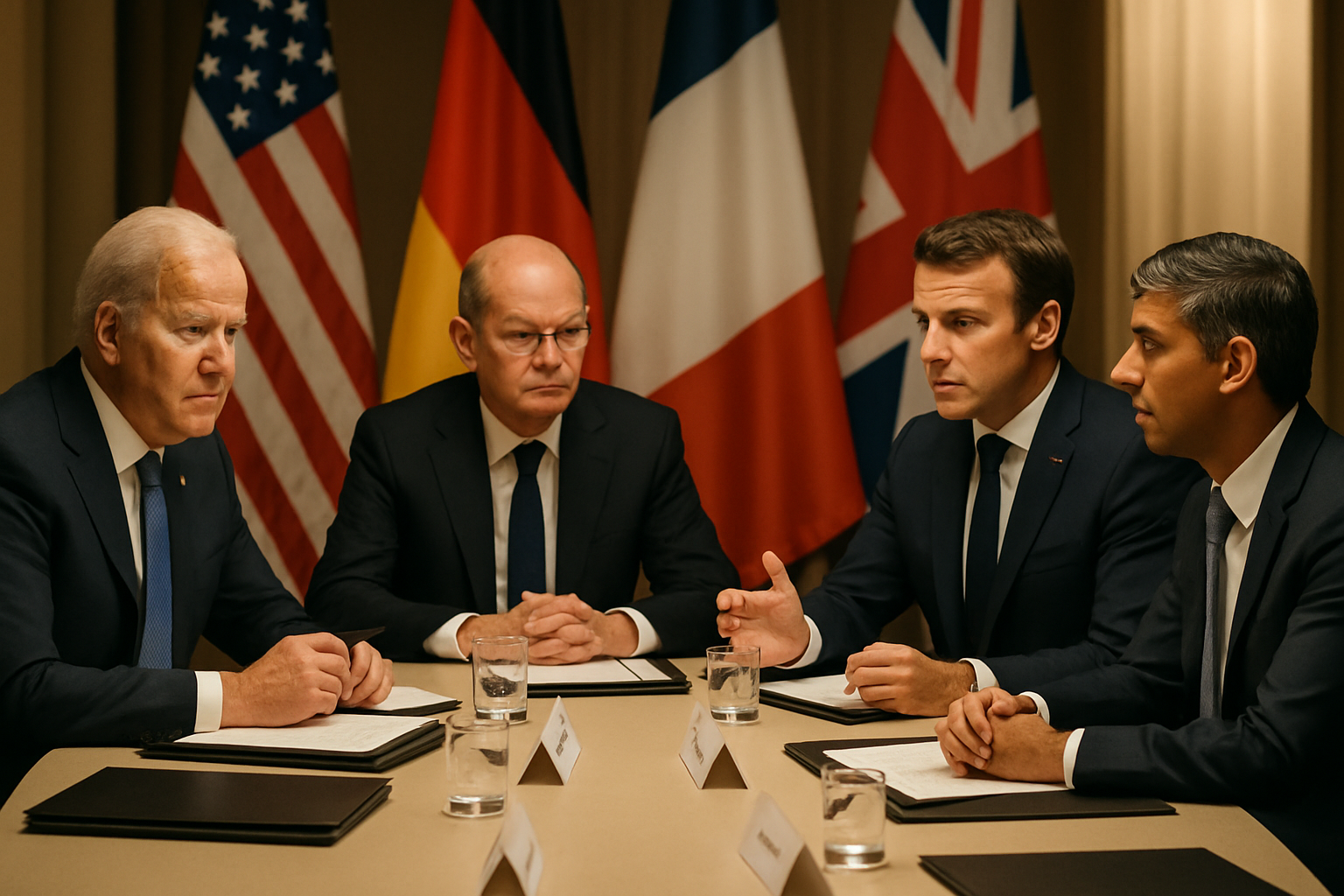
International diplomatic relations are experiencing a transformative period as nations forge new strategic partnerships and defense agreements while navigating unprecedented regional security challenges across multiple continents.
Cyprus-France Defense Cooperation Framework
In a significant development for European security architecture, Cyprus and France are set to sign a comprehensive Status of Forces Agreement (SOFA) in June 2026, establishing a broad framework for military cooperation that includes the potential for French operations on the island. The agreement was announced following a meeting between President Nikos Christodoulides and French President Emmanuel Macron in Nicosia.
According to government sources, the SOFA serves as the legal and operational foundation for enhanced defense ties, defining the terms under which French forces can be stationed, train, or operate in Cyprus while respecting national sovereignty. This represents a significant evolution in Cyprus's security posture within the broader Mediterranean context.
The cooperation framework rests on four primary pillars: enhanced structural military coordination and regional interoperability, defense technology and equipment collaboration, joint research and procurement initiatives, and strategic linking of Cypriot and French defense industries. This institutionalizes high-level strategic dialogue and joint exercises while creating pathways for technology transfer and industrial cooperation.
Regional Diplomatic Engagements
Across the Middle East, diplomatic activities continue to strengthen bilateral relationships and address emerging security concerns. Jordan's Deputy Prime Minister and Foreign Minister Ayman Safadi met with Kuwait's Foreign Minister Sheikh Jarrah Jaber Al-Ahmad Al-Sabah in Amman, demonstrating the ongoing diplomatic coordination between Arab nations during a period of regional complexity.
These ministerial consultations reflect the broader pattern of increased diplomatic engagement as nations work to maintain stability and pursue collaborative solutions to shared challenges. The frequency and level of such meetings indicate a diplomatic preference for dialogue over confrontation, even amid regional tensions.
Coalition Response to Security Threats
The Sultanate of Oman has expressed strong condemnation of attacks targeting Kuwait's northern border facilities, highlighting the regional coalition's commitment to mutual security. Oman's Ministry of Foreign Affairs issued a statement emphasizing solidarity with Kuwait and support for measures to preserve security and stability.
The statement underscored Oman's categorical rejection of all actions threatening the security and sovereignty of states, while emphasizing the importance of intensifying regional and international cooperation to combat violence, terrorism, and hostile activities. This reflects the broader regional consensus on collective security principles.
China-Myanmar Strategic Dialogue
Beyond the Middle East, significant diplomatic developments are occurring in Asia, where China's Foreign Minister Wang Yi met with Myanmar's leader Min Aung Hlaing. Beijing expressed support for Myanmar "in forging a successful development path that aligns with its national conditions and enjoys the support of its people," according to a Chinese ministry readout from April 25.
This engagement reflects China's continued diplomatic outreach in Southeast Asia and demonstrates the complex nature of international relations where nations maintain dialogue channels even amid challenging circumstances. The meeting underscores China's commitment to regional stability through diplomatic engagement rather than isolation.
Diplomatic Innovation and Adaptation
These developments collectively demonstrate how nations are adapting their diplomatic approaches to address 21st-century challenges. The Cyprus-France agreement represents innovative defense cooperation within EU frameworks, while the regional Middle Eastern consultations show sustained commitment to dialogue-based solutions.
"The cooperation is built on four primary pillars that enhance structural military coordination and regional interoperability, while also focusing on defense technology and equipment."
— Cyprus Government Sources
The emergence of new bilateral partnerships and the strengthening of existing relationships indicate that nations are pursuing multiple diplomatic tracks simultaneously. This approach allows for both traditional alliance structures and innovative partnerships that can adapt to evolving security environments.
Regional Security Architecture Evolution
The diplomatic activities across different regions reveal common themes: the preference for negotiated solutions, the importance of institutional frameworks, and the need for flexibility in addressing diverse security challenges. Nations are demonstrating sophisticated approaches that balance sovereignty concerns with cooperative security needs.
The Cyprus-France SOFA particularly exemplifies how smaller states can enhance their security through strategic partnerships while maintaining their sovereignty. This model may influence other nations seeking to strengthen their defense capabilities through international cooperation rather than purely domestic military build-up.
Future Implications
These diplomatic developments suggest that international relations are entering a phase characterized by greater pragmatism and flexibility. Nations are building partnerships based on practical cooperation needs rather than purely ideological alignments, creating more resilient international relationships that can withstand various political and economic pressures.
The success of these diplomatic initiatives will likely influence broader patterns of international cooperation, potentially providing templates for how nations can work together effectively while preserving their individual sovereignty and strategic autonomy. As global challenges become more complex and interconnected, such diplomatic innovation becomes increasingly valuable for maintaining international stability.
The coming months will test the durability and effectiveness of these new diplomatic frameworks, particularly as they face real-world security challenges and implementation requirements. Their success could establish important precedents for future international cooperation in an increasingly multipolar world.