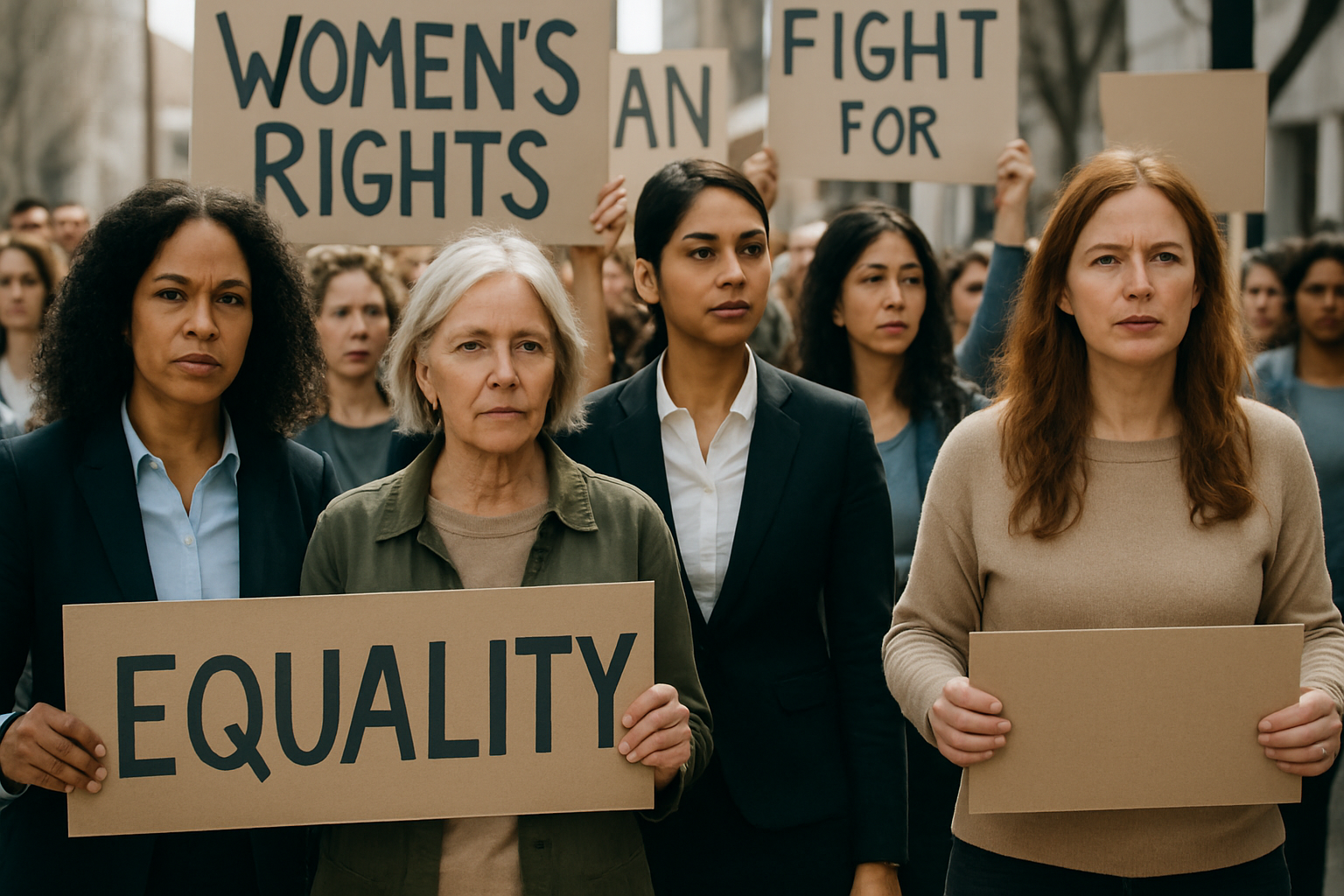
As International Women's Day 2026 approaches, a complex landscape of gender equality emerges across Europe and beyond, where significant advances in women's rights coexist with troubling new challenges and persistent barriers to full equality.
Recent developments from Austria, Bosnia and Herzegovina, Latvia, Malta, and the Netherlands paint a nuanced picture of the global struggle for gender equality, revealing both institutional progress and concerning social trends that demand urgent attention.
Support Services Reaching More Women in Crisis
Austria's Women's Helpline Against Violence (0800 222 555) reports a continuous increase in consultations, demonstrating both the persistent need for support and growing awareness among women seeking help. The free and anonymous counseling service has become a crucial lifeline for women facing domestic violence, with usage patterns indicating that more victims are finding the courage to reach out.
This increase in help-seeking behavior represents a positive shift, suggesting that awareness campaigns and destigmatization efforts are having their intended effect. However, it also highlights the sobering reality that violence against women remains a widespread problem requiring sustained intervention and prevention efforts.
Education as the Foundation for Equality
The importance of education in achieving gender equality was emphasized by Jugend Eine Welt's International Women's Day statement. The organization supports Don Bosco vocational training centers that are currently empowering 1,600 women with essential skills and education.
"Those who invest in women's education invest in a more just future."
— Jugend Eine Welt representative
These vocational programs represent a crucial investment in women's economic empowerment, providing pathways to financial independence and career advancement. The focus on practical skills training addresses real-world barriers that prevent women from accessing well-paying employment opportunities.
Concerning Generational Divide on Gender Roles
Perhaps most troubling among recent findings is research revealing regressive attitudes among young men regarding gender equality. An international generational survey has found that significant portions of Generation Z men believe "enough has been done for gender equality," that "men are being discriminated against," and that "wives should obey their husbands."
This research, conducted across multiple countries including Austria and Bosnia and Herzegovina, challenges assumptions about progressive attitudes among younger generations. The findings suggest that gender equality advocacy must evolve to address the specific concerns and misconceptions of young men, rather than assuming generational progress is automatic.
Economic Barriers Persist in the Workplace
The economic dimension of gender inequality remains stark, with Austrian data showing that four out of ten women consider quitting their jobs due to inadequate salaries. This "resignation consideration" phenomenon reflects broader patterns of wage gaps and workplace discrimination that continue to disadvantage women economically.
The situation is particularly challenging for migrant women, who face additional barriers in the Austrian job market. Research indicates that women from certain migrant communities encounter discrimination not only in job searches but also within their own families, where traditional gender roles may limit their ability to pursue employment.
Political Representation Shows Mixed Progress
Latvia's experience illustrates the complex nature of women's political participation. Despite the country having more women than men in its general population, women hold only 31% of parliamentary seats – slightly below the EU average of 33.6%. This represents progress from previous decades but falls short of parity representation.
The gap between demographic representation and political power highlights how cultural, institutional, and economic factors continue to limit women's access to leadership positions, even in societies with favorable demographic conditions.
Judicial Discrimination Exposed
The Netherlands Institute for Human Rights has documented systematic discrimination against women aspiring to become judges between 1994 and 2023. This revelation exposes how gender bias has operated within judicial systems, potentially affecting not only career opportunities but also the administration of justice itself.
The discrimination included unequal pay and advancement opportunities, demonstrating how professional barriers can persist even within institutions theoretically committed to equality and justice. This finding underscores the need for comprehensive anti-discrimination measures across all sectors of public service.
Grassroots Mobilization for Change
Malta's upcoming International Women's Day march, organized under the slogan "Women's Day Every Day," represents the continued importance of grassroots activism in advancing gender equality. The march aims to highlight the daily struggles women face, emphasizing that gender equality requires year-round attention rather than symbolic annual recognition.
"Women's Day is not about chocolates and flowers; the first women's march in 1909 grew out of the labour movement, with women demanding humane working hours, better pay and the right to vote."
— Statement from organizing NGOs
The organizers' emphasis on the labor origins of International Women's Day connects contemporary struggles with historical precedents, highlighting how many fundamental issues – fair wages, reasonable working conditions, and political participation – remain relevant today.
Systemic Challenges Require Comprehensive Solutions
The evidence from across Europe demonstrates that gender equality progress is neither linear nor guaranteed. While significant advances have been made in some areas – such as increased help-seeking behavior among abuse victims and expanding educational opportunities – troubling trends persist in others.
The generational divide in attitudes toward gender equality poses particular challenges for future progress. The finding that some young men hold increasingly traditional views about gender roles suggests that equality advocates must develop new strategies for engaging with diverse audiences and addressing the underlying concerns that fuel resistance to gender equality.
Economic Empowerment Remains Central
Economic factors emerge as central to many gender equality challenges. From wage gaps that drive women to consider leaving their jobs to migration-related employment barriers, economic inequality underlies many other forms of gender discrimination. Addressing these economic disparities requires comprehensive policy responses including pay equity enforcement, workplace discrimination prevention, and targeted support for vulnerable groups.
Institutional Reform Needed
The Netherlands judicial discrimination case illustrates how institutional bias can operate within systems theoretically committed to equality. This suggests that gender equality requires not just policy changes but fundamental cultural shifts within institutions, supported by robust monitoring and accountability mechanisms.
Looking Forward: Lessons for International Women's Day 2026
As International Women's Day 2026 approaches, the evidence from across Europe provides both reasons for optimism and calls for urgent action. Progress in support services and education demonstrates what's possible when resources are dedicated to empowering women. However, concerning trends in generational attitudes and persistent economic and political barriers highlight how much work remains.
The diversity of challenges across different countries underscores that gender equality requires locally adapted solutions while maintaining universal commitments to women's rights. From addressing domestic violence in Austria to combating judicial discrimination in the Netherlands, each society must confront its specific barriers to gender equality.
Most importantly, the research reveals that progress toward gender equality cannot be taken for granted. Each generation must be actively engaged in understanding and supporting women's rights, and societies must remain vigilant against the erosion of hard-won advances.
As the Malta march organizers emphasize, women's equality must be a daily commitment, not an annual observance. The evidence from 2026 makes clear that this commitment remains as urgent as ever, requiring sustained effort across all levels of society to build the more just future that generations of women have fought to achieve.