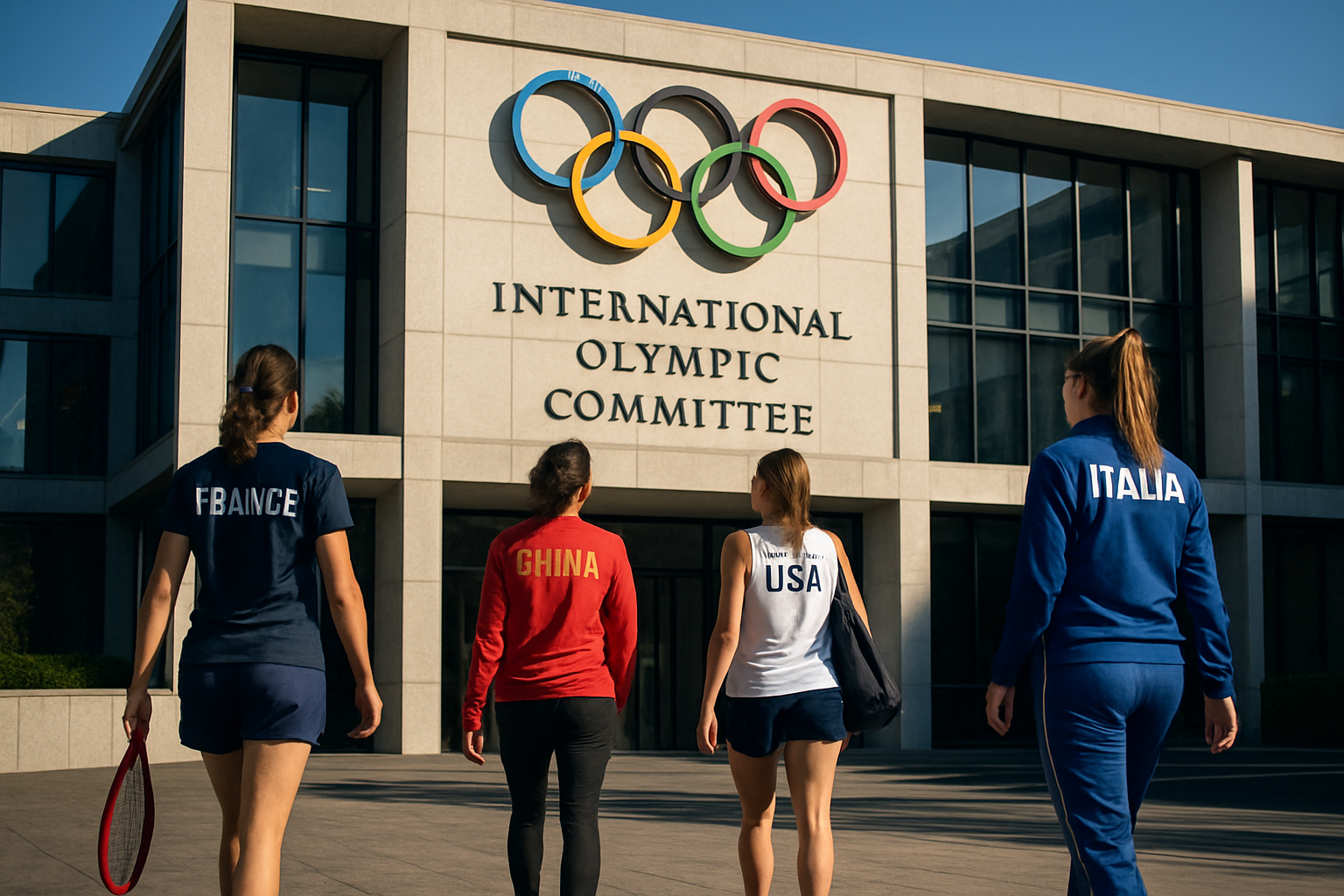
The International Olympic Committee has announced a groundbreaking yet controversial policy requiring mandatory gender screening for female athletes competing in the 2028 Los Angeles Olympics, marking the most significant shift in Olympic eligibility criteria in decades and igniting fierce debate across the international sporting community.
The policy, unveiled in a series of statements from IOC officials across multiple countries, mandates that female athletes undergo genetic testing to verify biological sex for participation in women's events. This represents a departure from previous IOC approaches that had evolved toward more inclusive policies in recent years, instead establishing what some critics describe as the most restrictive gender verification system in modern Olympic history.
Policy Details and Implementation
According to sources from various international outlets, including Norwegian media reports, the new requirements will necessitate comprehensive genetic screening for all female competitors. The testing protocols are expected to examine chromosomal patterns and other biological markers to determine eligibility for women's competitions.
The announcement has emerged through multiple channels, with Canadian broadcasting sources indicating that transgender women athletes would be excluded from Olympic competition under these new guidelines. This aligns with what officials describe as efforts to "protect the female category" in Olympic sports.
The timing of the announcement, coming in the aftermath of recent Olympic controversies and amid ongoing global debates about transgender participation in sports, appears strategically coordinated with policy shifts in various countries, including alignment with recent executive orders in the United States regarding women's sports.
Historical Context and Precedent
The IOC's relationship with gender testing has been complex and evolving. Previous decades saw various forms of sex verification, from physical examinations in the 1960s to chromosomal testing in later periods. These practices were largely abandoned in the late 20th century due to their invasive nature and scientific limitations.
The current announcement represents a significant reversal from the IOC's more recent inclusive policies. Under the leadership of IOC President Kirsty Coventry, who took office following the conclusion of the Milano-Cortina 2026 Winter Olympics, the organization appears to be charting a more restrictive course.
This policy shift comes against the backdrop of heightened global tensions around gender identity in sports, which have intensified following various high-profile controversies at recent international competitions.
International Reactions and Controversy
The announcement has generated swift and polarized responses from across the international community. Athletes' rights organizations have expressed alarm at what they characterize as discriminatory policies that could violate fundamental privacy rights and exclude athletes based on biological characteristics beyond their control.
Several European nations have reportedly expressed concerns about the policy's implications for athlete welfare and human rights protections. The mandatory nature of the genetic testing has raised questions about informed consent and the potential for genetic discrimination in sports.
"This policy represents a fundamental shift in how we approach inclusion and fairness in Olympic sport. The implications extend far beyond individual athletes to broader questions of human rights in international competition."
— International Sports Law Expert
Conversely, supporters of the policy argue that genetic verification provides the most scientifically rigorous method for ensuring competitive fairness in women's events. They contend that clear biological criteria are necessary to maintain the integrity of female categories in sport.
Scientific and Ethical Considerations
The policy raises complex questions about the intersection of genetic science and sports governance. While genetic testing can provide definitive information about chromosomal sex, critics argue that biological sex exists on a spectrum and that genetic markers alone may not capture the full complexity of human biology.
Medical experts have noted that various intersex conditions can complicate straightforward genetic classifications, potentially creating situations where athletes with female gender identity and female upbringing could be excluded based on chromosomal variations they may not even be aware of.
The privacy implications of mandatory genetic testing have also drawn scrutiny. Unlike other forms of sports testing, genetic screening reveals information that extends far beyond athletic performance, raising concerns about data security and potential misuse of sensitive biological information.
Implementation Challenges
The practical implementation of universal genetic screening presents significant logistical and financial challenges. The IOC will need to establish standardized testing protocols, ensure global laboratory capacity, and develop secure systems for handling genetic data from thousands of athletes.
Questions remain about the timing of testing, whether results will be subject to appeal processes, and how the policy will interact with existing national and international laws regarding genetic privacy and non-discrimination.
The policy must also navigate varying legal frameworks across IOC member nations, some of which have specific protections for transgender individuals or restrictions on genetic testing in employment and education contexts.
Impact on Los Angeles 2028
The announcement comes at a critical time for the Los Angeles 2028 Olympics, which are already navigating various organizational and political challenges. The gender screening requirements add another layer of complexity to Games preparation and could affect athlete participation from various nations.
Olympic organizers will need to coordinate with international federations, national Olympic committees, and testing laboratories to implement the new protocols before the qualification period begins for the 2028 Games.
The policy's impact on athlete recruitment and development programs remains unclear, as sporting organizations worldwide must now factor genetic screening requirements into their long-term planning for Olympic participation.
Future Implications
The IOC's decision is likely to influence gender policies across international sports federations and could set precedents for other major sporting events beyond the Olympics. The policy's implementation and reception will be closely watched as a test case for how sports organizations balance inclusion, fairness, and scientific approaches to gender verification.
Legal challenges to the policy appear likely, with various human rights organizations and athlete advocacy groups already expressing intent to contest the requirements through appropriate legal channels.
The long-term implications extend beyond the 2028 Games, as this policy could reshape international sports governance for years to come, influencing how future Olympic cycles approach questions of athlete eligibility and gender identity in competitive sports.
As the international sporting community grapples with these changes, the debate over the IOC's new gender screening requirements reflects broader societal tensions around gender identity, scientific authority, and the fundamental values that should govern international athletic competition.