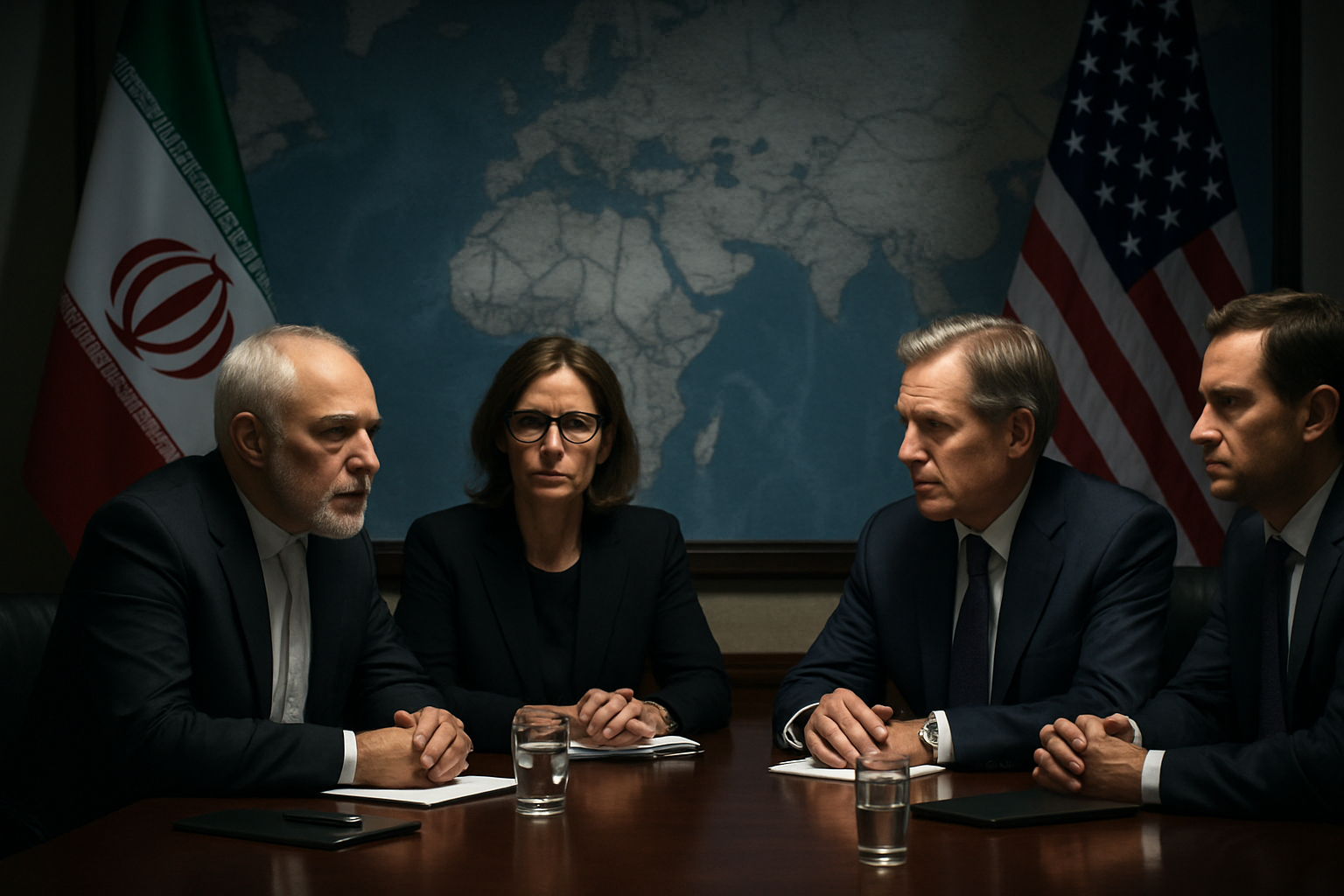
Iran's nuclear program remains at the center of escalating international tensions as diplomatic efforts collapse and regional security deteriorates, with the Islamic Republic maintaining uranium enrichment at dangerous levels while execution of alleged Israeli spies signals hardening positions on all sides.
The latest developments in the Iran nuclear crisis come amid a backdrop of failed diplomatic initiatives and mounting regional instability. Following months of intensive negotiations that showed initial promise, the current trajectory points toward a dangerous escalation that could reshape Middle Eastern geopolitics for decades.
Nuclear Activities Continue Unabated
Iran continues to maintain uranium enrichment at 60% purity, far exceeding the 3.67% limit established under the Joint Comprehensive Plan of Action (JCPOA). Intelligence assessments confirm that Tehran possesses over 400 kilograms of enriched uranium sufficient for multiple nuclear weapons if weaponized, according to former IAEA inspector Dr. Yusri Abu Shadi.
The persistence of Iran's nuclear advancement comes despite earlier signals of potential compromise. In previous negotiations, Iranian officials had suggested possibilities including a three-year enrichment halt and stockpile transfers to Russia. However, recent hardline statements from Foreign Minister Abbas Araghchi declaring Iran will "never abandon enrichment even if war is imposed" indicate a significant hardening of positions.
Diplomatic Framework Crumbles
The current crisis stems from the complete breakdown of what appeared to be promising diplomatic progress. Earlier this year, negotiations in Geneva achieved what Araghchi called "broad agreement on guiding principles" - the most significant progress since the JCPOA collapse in 2018. These talks, mediated by Switzerland and Oman, had established frameworks for continued negotiations and created momentary optimism for a breakthrough.
"Differences over Iran's nuclear programme still remain, as Iran and the United States try to reach a lasting peace with the two-week ceasefire ending soon."
— Senior Iranian source to Reuters
However, fundamental scope disagreements proved insurmountable. Iran maintained that ballistic missiles and regional proxy activities were "red lines" to be excluded from nuclear-only discussions. Meanwhile, US Secretary Marco Rubio insisted on comprehensive agreements addressing missiles, armed groups, and human rights - the same structural obstacle that has prevented breakthroughs for over a decade.
Regional Security Deteriorates
The nuclear standoff has contributed to broader regional tensions, exemplified by Iran's execution of two individuals convicted of spying for Israel. The Tasnim News Agency reported the executions were carried out Monday after the men were found guilty of cooperating with Israeli intelligence and receiving specialized training.
These executions reflect the deteriorating security environment across the region, where multiple conflicts have created a complex web of proxy warfare and direct confrontations. Iranian officials have signaled readiness for renewed conflict, with reports of military preparations following recent US military movements in the region.
The broader regional context includes ongoing tensions in Lebanon, where Israeli Prime Minister Netanyahu has stated that Israel "has not completed the work" in Iran, indicating potential for further military escalation. Meanwhile, Iranian pilots reportedly control Iranian airspace, demonstrating the militarization of the current standoff.
International Community Divided
The international response remains fragmented, with different powers pursuing conflicting approaches. While some Iranian officials have indicated Tehran is "positive for new talks," no final decision has been reached, and the window for diplomatic engagement appears to be narrowing rapidly.
Greek sources suggest Iran maintains it "will not make the slightest concession" on core sovereignty issues, including ballistic missiles and regional proxy relationships. This intransigence has complicated efforts by potential mediators, including Pakistan, which had previously achieved some success in facilitating communication between adversaries.
The situation is further complicated by the broader nuclear governance crisis. The New START treaty between the United States and Russia expired in February 2026, marking the first time in over 50 years without US-Russia nuclear constraints. Combined with China's nuclear expansion and UN Secretary-General Guterres' warnings that nuclear risks are at their "highest in decades," the Iran situation takes on even greater significance as a template for 21st-century nuclear crisis management.
Economic and Military Implications
The ongoing crisis has significant implications for global energy security. Iran's position controlling the Strait of Hormuz, through which 40% of global oil transit passes, gives Tehran considerable leverage in any confrontation. Recent military incidents, including the downing of Iranian drones by US F-35C aircraft and IRGC harassment of tankers, demonstrate how quickly diplomatic tensions can translate into military confrontations.
Oil markets remain volatile, with prices responding to each escalation in rhetoric or military positioning. The potential for broader conflict has led to contingency planning by major oil companies and strategic reserve preparations by consuming nations.
Domestic Pressures Mount
Both Iran and the United States face significant domestic pressures that complicate diplomatic solutions. Iran continues to face internal unrest, with over 42,000 arrests since 2022 protests and continued persecution of dissidents like Nobel laureate Narges Mohammadi, who received additional prison sentences during recent diplomatic talks.
The Iranian regime appears to prioritize maintaining nuclear capabilities over economic relief through sanctions removal, suggesting that domestic survival calculations favor confrontation over compromise. This dynamic makes diplomatic breakthroughs more difficult, as economic incentives that might normally facilitate agreements have limited effectiveness.
Looking Forward
The current trajectory of the Iran nuclear crisis represents one of the most dangerous international situations since the end of the Cold War. The combination of advancing nuclear capabilities, failed diplomacy, and regional military tensions creates a volatile mix that could lead to broader conflict with global implications.
The stakes extend far beyond the immediate bilateral relationship between Iran and the United States. Success or failure in managing this crisis will establish precedents for how nuclear proliferation challenges are addressed in the multipolar era, potentially affecting approaches to similar situations for decades to come.
With diplomatic frameworks collapsed and military options increasingly discussed, the international community faces a critical test of multilateral cooperation and crisis management. The coming weeks may determine whether innovative diplomatic solutions can bridge long-standing disagreements or whether the region will experience the most significant military confrontation since the 2003 Iraq invasion.
As one senior analyst noted, this situation represents the "greatest test of multilateral cooperation in the modern era," with implications for nuclear governance credibility, energy security, and international law enforcement that will resonate throughout the 21st century.