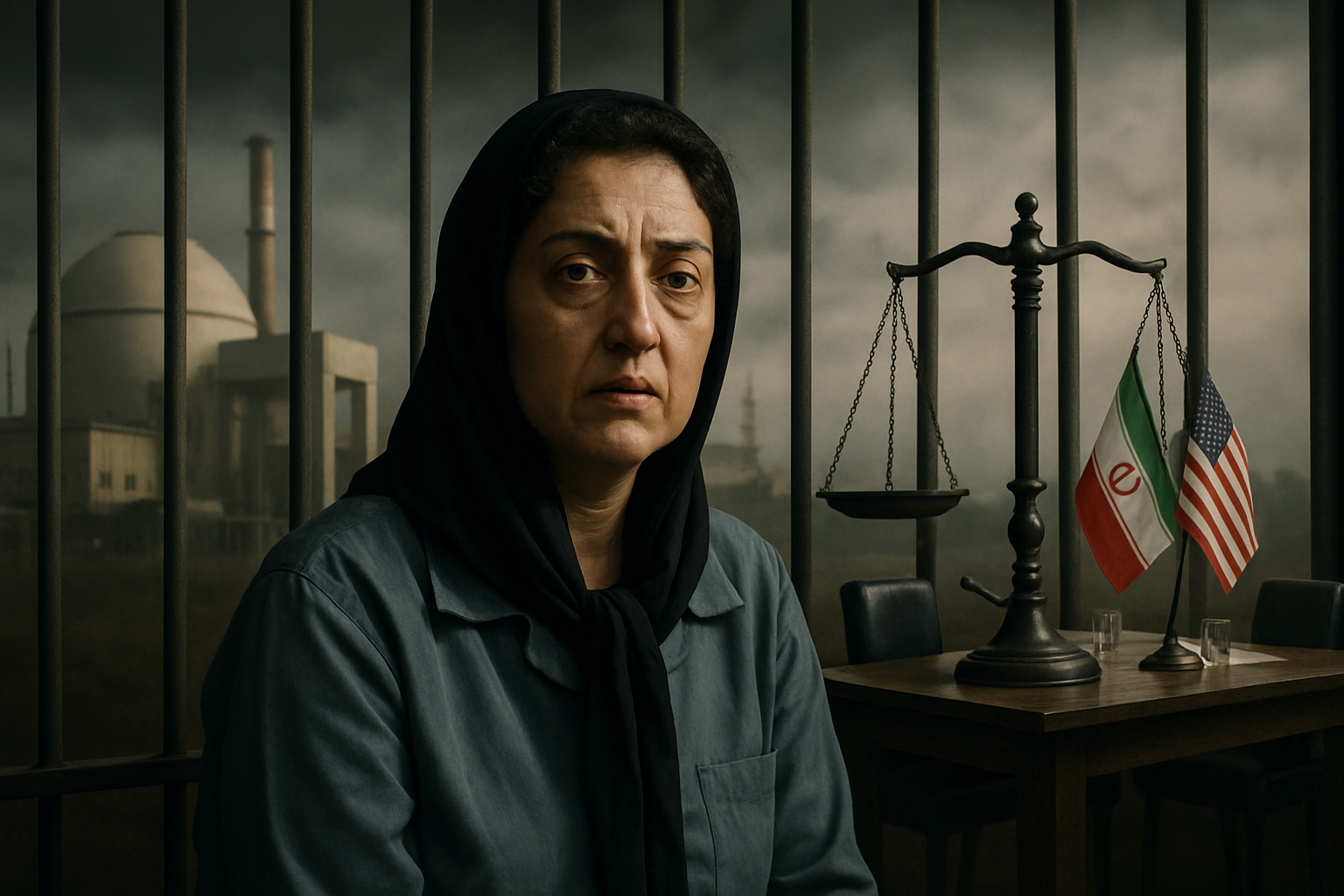
Iran has sentenced Nobel Peace Prize laureate Narges Mohammadi to an additional seven and a half years in prison, even as oil prices fell one percent following pledges by Washington and Tehran to continue nuclear negotiations, highlighting the complex intersection of human rights violations, nuclear diplomacy, and global energy markets.
The harsh sentence against the 53-year-old human rights activist comes at a critical moment in US-Iran relations, as both nations engage in the most significant diplomatic talks since the collapse of the Joint Comprehensive Plan of Action (JCPOA) nuclear deal in 2018. The timing underscores Iran's apparent strategy of maintaining domestic control while pursuing international sanctions relief.
Mohammadi's Mounting Legal Challenges
According to her lawyer Mostafa Nili, Mohammadi was sentenced to six years for "gathering and collusion" and one and a half years for "propaganda activities" by a court in the northeastern city of Mashhad on February 7. She also received a two-year travel ban and internal exile to the city of Khosf, located 740 kilometers southeast of Tehran.
The sentence stems from her December 2025 arrest during a memorial ceremony honoring Khosrow Alikordi, a 46-year-old Iranian lawyer and human rights advocate. Reports indicate that Mohammadi was beaten during her detention, highlighting the regime's increasingly violent crackdown on dissent.
Supporters report that Mohammadi has been on a hunger strike since February 2, protesting both her treatment and the broader suppression of civil society in Iran. The 2023 Nobel Peace Prize winner, recognized for her activism against the oppression of women in Iran, had already been serving nearly 14 years on other charges.
"She has been sentenced to six years in prison for assembly and conspiracy, and one and a half years for propaganda against the system,"
— Mostafa Nili, Mohammadi's Lawyer
Nuclear Diplomacy Maintains Momentum
Despite the harsh domestic crackdown, Iran and the United States have committed to continuing their nuclear negotiations following talks in Muscat, Oman. The diplomatic engagement has led to a one percent decline in oil prices, as markets responded positively to reduced fears of supply disruption in the Persian Gulf.
Market analyst Tony Sycamore noted that expectations of continued diplomatic talks have reduced immediate fears of supply shocks in the strategically vital region. The Strait of Hormuz, where tensions have recently escalated with Iranian Revolutionary Guard vessels harassing US-flagged tankers, serves as a critical chokepoint for approximately 40 percent of global oil transit.
The ongoing nuclear negotiations represent a complex balancing act for both nations. Iran maintains its "inalienable right" to uranium enrichment, currently operating at 60 percent purity—significantly above the 3.67 percent limit established under the original JCPOA but approaching the 90 percent threshold considered weapons-grade.
Regional Tensions Amid Diplomatic Progress
The diplomatic momentum occurs against a backdrop of continued military tensions in the region. Recent incidents include a US F-35C fighter jet shooting down an Iranian Shahed-139 drone that aggressively approached the USS Abraham Lincoln aircraft carrier in the Arabian Sea, approximately 800 kilometers from Iran's coast.
Iranian Foreign Minister Abbas Araghchi has described the nuclear talks as having a "positive atmosphere" while maintaining firm red lines around ballistic missiles and regional proxy activities. Iran insists on compartmentalized nuclear-only discussions, while the United States, led by Secretary of State Marco Rubio, demands a comprehensive agreement addressing missiles, regional armed groups, and human rights.
The scope disagreement represents a fundamental obstacle that has plagued nuclear diplomacy for over a decade. Iran's exclusion of ballistic missiles and support for regional proxies as "red lines" creates a structural impasse with US comprehensive demands.
Historical Context and Stakes
The current negotiations build on a complex history of diplomatic engagement and confrontation. The 2015 JCPOA, brokered under President Obama, collapsed in 2018 when President Trump withdrew the United States and reimposed sanctions. The Biden administration's attempts to revive the agreement failed to gain traction, leaving the Trump administration to pursue a new framework.
Intelligence reports suggest Iran may consider significant concessions, including a three-year uranium enrichment halt and transfer of existing stockpiles to Russia. However, Iran's continued enrichment activities and recent hardline statements by officials cast doubt on the likelihood of major compromises.
The international community has shown unprecedented support for the diplomatic process. Saudi Arabia, the United Arab Emirates, Qatar, and Egypt have all endorsed the negotiations—representing a remarkable consensus among traditionally competing Middle Eastern powers united by concerns about regional war prevention.
Human Rights as Diplomatic Leverage
The timing of Mohammadi's sentence appears designed to send a clear message about Iran's priorities. While engaging diplomatically on nuclear issues, the regime demonstrates it will not tolerate domestic dissent or international pressure on human rights issues.
Iran currently faces severe domestic pressure, with reports of over 42,000 protest-related arrests following the nationwide uprising that began in 2022. The systematic suppression of civil society, combined with the regime's nuclear defiance, presents international negotiators with difficult choices about the scope and priorities of any potential agreement.
The Nobel laureate's case exemplifies the broader human rights crisis in Iran. Her continued imprisonment while pursuing diplomatic engagement with the West underscores the regime's calculation that nuclear negotiations and domestic repression can proceed simultaneously without significant consequences.
Economic Pressures and Market Dynamics
The parallel development of continued diplomatic engagement and falling oil prices reflects market optimism about conflict de-escalation, even as fundamental disagreements persist. Iran faces severe economic pressure from international sanctions, creating regime survival imperatives for sanctions relief that may drive nuclear concessions.
However, the regime's prioritization of domestic control over international accommodation suggests leadership believes nuclear capabilities and regional influence matter more than immediate economic relief. This calculation complicates Western diplomatic strategies based on economic pressure as leverage for comprehensive agreements.
Regional energy markets remain sensitive to Iranian diplomatic developments, given the country's significant oil reserves and strategic control over Persian Gulf shipping lanes. Any disruption to Iranian energy exports or regional transportation could significantly impact global energy prices and supply chains.
International Response and Future Implications
The international community faces a complex challenge in addressing both Iran's nuclear program and its systematic human rights violations. The Nobel Committee's recognition of Mohammadi specifically highlighted her work against women's oppression in Iran, making her continued imprisonment a symbolic test of international commitment to human rights principles.
European allies have expressed cautious support for renewed nuclear dialogue while emphasizing the need for robust verification mechanisms. However, Mohammadi's case and the broader crackdown raise questions about whether nuclear agreements should be contingent on human rights improvements.
The coming weeks will prove critical for determining whether the diplomatic framework established in Oman can bridge decade-old challenges or represents another false start in nuclear crisis resolution. Success requires innovative compromise solutions that address both nuclear proliferation concerns and the systematic violations of human rights that Mohammadi's case exemplifies.
Looking Forward: Diplomatic Innovation Needed
As negotiations continue, the international community must grapple with the fundamental question of how to address Iran's nuclear program while not ignoring the human rights crisis symbolized by Mohammadi's imprisonment. The Nobel laureate's continued detention serves as a stark reminder that any sustainable agreement must consider the broader context of Iranian society and governance.
The success or failure of current diplomatic efforts will have implications far beyond nuclear non-proliferation, affecting regional stability, international law enforcement, and the credibility of human rights advocacy in international relations. The world watches as diplomats attempt to navigate between nuclear crisis prevention and human rights protection in one of the most complex diplomatic challenges of the modern era.