Iran's Foreign Minister Abbas Araghchi delivered a defiant message Sunday, declaring that Tehran will never renounce its uranium enrichment program even if "war is imposed" on the Islamic Republic, just two days after nuclear talks with the United States concluded in Oman.
Speaking at a forum in Tehran, Araghchi emphasized Iran's "inalienable right" to nuclear technology while maintaining that the nation's current uranium enrichment at 60% purity—far above the 3.67% limit established in the 2015 Joint Comprehensive Plan of Action (JCPOA)—will continue regardless of US pressure.
"Zero enrichment can never be accepted by us," Araghchi stated, adding that Iran has paid a heavy price for its nuclear program and no one has the right to dictate the country's actions regarding enrichment.
Diplomatic Progress Amid Fundamental Disagreements
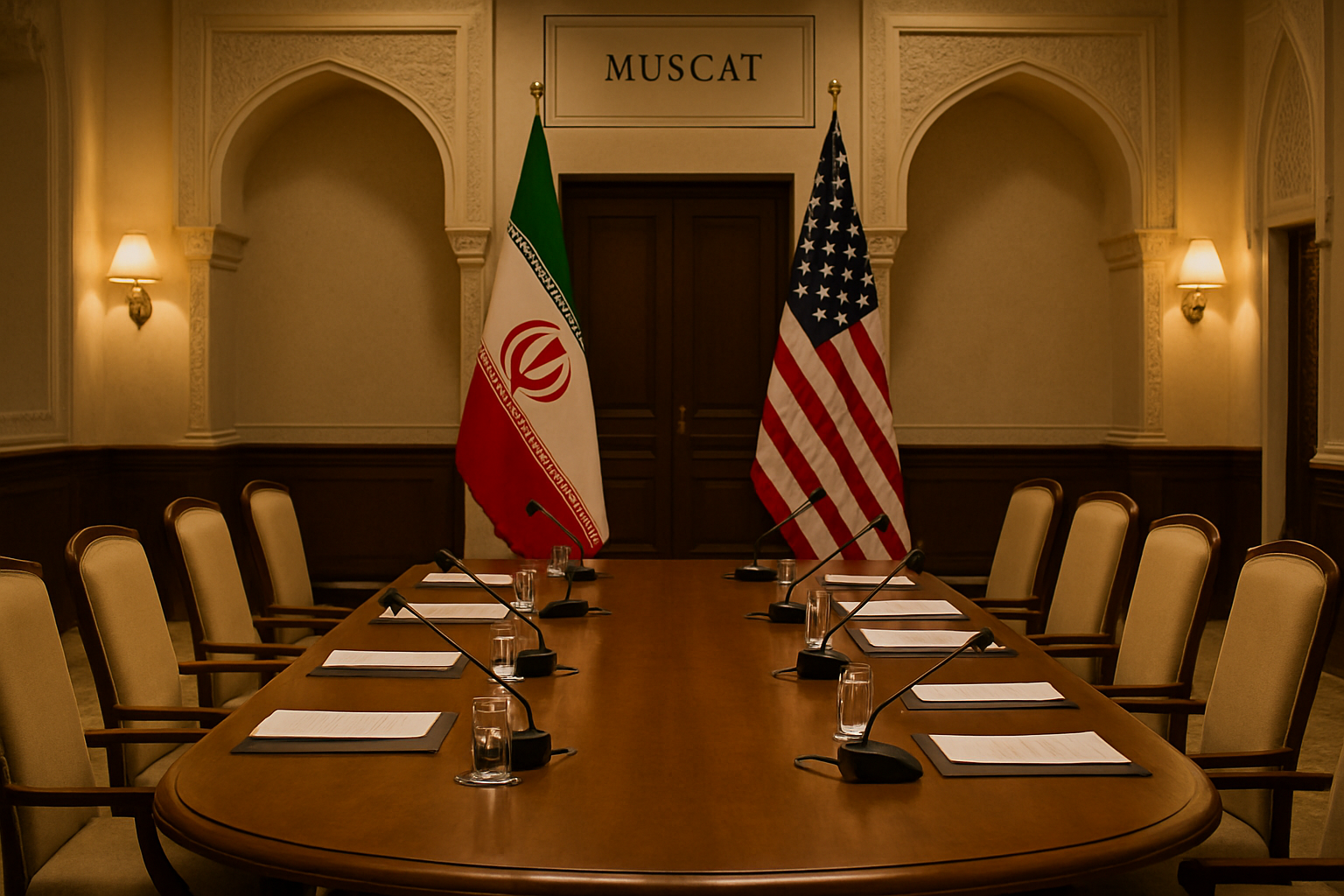
The Iranian Foreign Minister's hardline stance comes despite what both sides described as positive developments in Friday's negotiations in Muscat, Oman. President Trump declared the talks "very good" and said Iran appeared "very eager to make a deal," while Araghchi described a "positive atmosphere" during the six-hour discussions mediated by Omani officials.
Iranian President Masoud Pezeshkian also characterized the recent talks as "a step forward," crediting mediation by friendly regional governments. However, he stressed that Iran seeks peaceful solutions to disputes but will not accept coercion from Washington.
"Iran-US negotiations, which took place through the continued efforts of friendly governments in the region, were a step forward."
— Masoud Pezeshkian, Iranian President
The talks, facilitated by Oman's Sultan Haitham bin Tariq, marked the most significant diplomatic engagement between Washington and Tehran since the JCPOA collapsed in 2018. Both sides agreed to continue negotiations "early next week," though no concrete timeline or venue has been established.
Scope Disagreements Threaten Progress
A fundamental challenge remains over the scope of any potential agreement. Iran insists on nuclear-only discussions, explicitly excluding ballistic missiles and regional proxy activities as "red lines." The Islamic Republic demands compartmentalized talks focused solely on uranium enrichment and sanctions relief.
In contrast, US Secretary of State Marco Rubio maintains that any comprehensive agreement must address Iran's ballistic missile capabilities, support for regional armed groups, and human rights violations. This scope disagreement represents the same obstacle that has plagued diplomatic efforts for nearly a decade.
Araghchi dismissed American military deployment in the Persian Gulf, asserting it does not intimidate Tehran. This follows a visit by Donald Trump's Middle East envoy Steve Witkoff to the USS Abraham Lincoln aircraft carrier in the region. The Iranian Foreign Minister emphasized that while Iran is prepared for both diplomacy and conflict, they do not seek war.
Military Tensions Persist During Diplomacy
The diplomatic engagement has proceeded against a backdrop of escalating military tensions. A US F-35C fighter jet from the USS Abraham Lincoln shot down an Iranian Shahed-139 drone that aggressively approached the aircraft carrier in the Arabian Sea, approximately 800 kilometers from Iran's coast.
On the same day, Islamic Revolutionary Guard Corps vessels harassed a US-flagged tanker in the Strait of Hormuz, according to security firm reports. Oil prices rose more than $1 per barrel following news of these incidents, highlighting the economic implications of regional tensions.
Araghchi warned that Iran would target US military bases in the Middle East if attacked, demonstrating that both sides maintain military deterrence alongside diplomatic engagement. The dual-track approach reflects the complex nature of US-Iran relations, where maximum pressure continues even as negotiations proceed.
Regional Coalition Supports Diplomatic Process
An unprecedented coalition of Middle Eastern powers—Saudi Arabia, the United Arab Emirates, Qatar, and Egypt—has expressed support for the diplomatic process. This regional consensus represents a remarkable development, given these nations' typically opposing positions on various Middle Eastern issues.
The broad regional backing reflects concerns about the potential for military confrontation to destabilize the Persian Gulf, through which approximately 40% of global oil transits. Regional governments have invested significant diplomatic capital in preventing escalation that could have worldwide energy market implications.
Oman's role as neutral mediator has proven crucial, leveraging its historical experience from the 2015 JCPOA negotiations. The sultanate's diplomatic infrastructure and relationships with both Washington and Tehran have enabled structured dialogue despite the substantial trust deficit between the parties.
Nuclear Status and Potential Concessions
Iran's current uranium enrichment at 60% purity represents a significant advancement from the 3.67% limit established in the original JCPOA. This level approaches the 90% threshold considered weapons-grade, though Iranian officials maintain their nuclear program serves exclusively peaceful purposes.
Intelligence sources suggest Iran may be considering major concessions, including a potential three-year halt to uranium enrichment and transfer of existing stockpiles to a third country, likely Russia. However, Araghchi's Sunday statements indicate such compromises may now be off the table following the hardline declarations.
The Islamic Republic faces severe domestic pressure from ongoing protests, with more than 42,000 arrests reported by human rights organizations, and economic sanctions that have created what analysts describe as a regime survival imperative for relief.
International Context and Broader Implications
The Iran nuclear talks occur amid a broader crisis in global nuclear governance. The New START treaty between the United States and Russia expired February 5, marking the first time in over 50 years without nuclear arms control between superpowers. This context adds urgency to preventing Iranian weapons development amid broader arms control breakdown.
China's nuclear expansion from approximately 350 warheads in 2020 to over 500 currently has complicated multilateral arms control efforts. The international community faces challenges in maintaining nuclear governance frameworks while addressing regional proliferation concerns.
Trump administration officials have maintained economic pressure even as diplomatic engagement proceeds. Executive orders threatening 25% tariffs on countries conducting business with Iran were signed hours after declaring the talks successful, demonstrating the administration's dual-track approach of diplomacy backed by maximum pressure.
Israeli Concerns and Coordination
Israeli Prime Minister Benjamin Netanyahu is scheduled to meet President Trump on February 11, specifically to coordinate on Iran nuclear negotiations. Netanyahu's office has emphasized that "all negotiations must include limiting ballistic missiles and ending support for the Iranian axis."
Israel views nuclear-only agreements that exclude missile and proxy threats as insufficient for addressing what it considers existential security challenges. The coordination between Washington and Jerusalem reflects concerns about incomplete agreements that might address nuclear issues while leaving other threats unresolved.
Coming Weeks Critical for Success
The next round of talks, scheduled for early this week, will test whether innovative diplomatic solutions can bridge decade-old challenges or represent another false start in nuclear crisis resolution. Both sides have established framework for continued engagement despite maintaining fundamental positions.
Success requires unprecedented compromise on issues that have divided the parties since the JCPOA's collapse. Iran's insistence on maintaining uranium enrichment rights while excluding missiles and proxies from discussions conflicts with US demands for comprehensive agreements addressing all dimensions of Iranian regional behavior.
The international community is closely monitoring whether sustained engagement can produce concrete results or whether the talks will follow previous patterns of raising expectations only to collapse over irreconcilable differences on scope and substance.
The stakes extend beyond bilateral US-Iran relations to regional stability, global nuclear governance, and the credibility of diplomatic solutions to modern proliferation challenges. Failure could accelerate military solutions that would reshape Middle Eastern geopolitics for decades, while success could provide a template for conflict resolution in an era of great power competition.