Iran sentenced Nobel Peace Prize laureate Narges Mohammadi to an additional six years in prison Sunday, even as the Islamic Republic maintains its defiant stance on uranium enrichment amid ongoing nuclear negotiations with the United States in Oman.
The 53-year-old human rights activist received the sentence for "association and collusion to commit crimes," according to her lawyer Mostafa Nili, who announced the verdict to international media. Mohammadi was also sentenced to an additional 18 months for "propaganda activities" and will face two years of exile to the remote city of Josf in South Khorasan Province.
The sentencing comes just one day after Iranian Foreign Minister Abbas Araghchi delivered a hardline message declaring that Iran will "never" abandon its uranium enrichment program, even if "war is imposed" on the Islamic Republic. This defiant stance represents a significant escalation in rhetoric, occurring just 48 hours after nuclear talks in Muscat, Oman, which both sides had described as having a "positive atmosphere."
Nuclear Negotiations Under Pressure
The timing of Mohammadi's sentencing appears calculated to send a message of domestic control while Iran negotiates internationally. Currently, Iran is enriching uranium at 60% purity, significantly beyond the 3.67% limit established in the 2015 Joint Comprehensive Plan of Action (JCPOA) and approaching the 90% threshold considered weapons-grade.
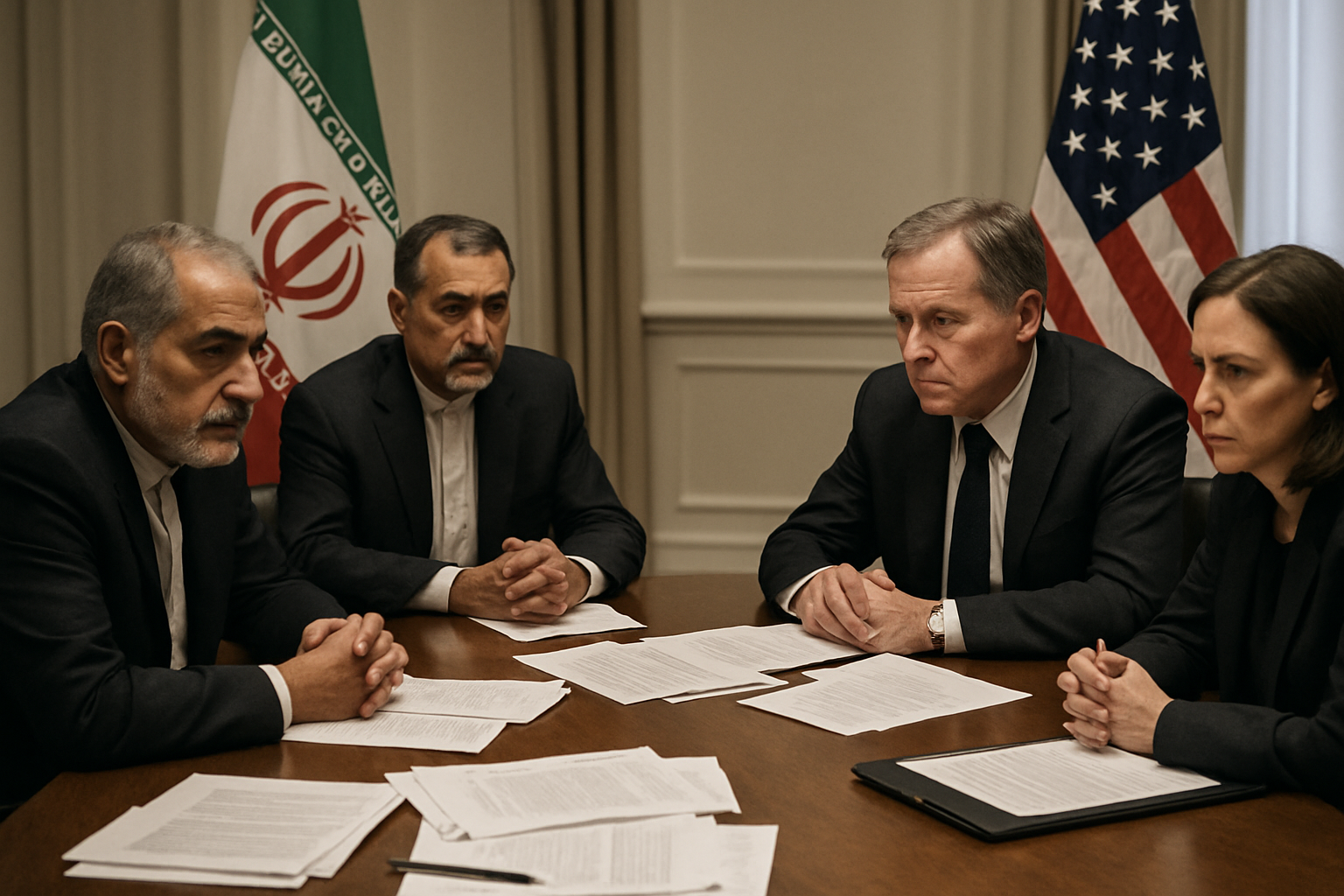
During Friday's six-hour negotiations in Muscat, Iranian Foreign Minister Araghchi met with US Special Envoy Steve Witkoff in the most significant diplomatic engagement since the JCPOA collapse in 2018. Despite President Trump declaring the talks "very good" with Iran "very eager to make a deal," fundamental disagreements persist over the scope of any future agreement.
"No one has the right to dictate our behavior. We will continue our nuclear program based on our national interests and our inalienable rights."
— Abbas Araghchi, Iranian Foreign Minister
Iran has established strict "red lines" excluding ballistic missiles and regional proxy activities from nuclear-only talks, while US Secretary of State Marco Rubio insists any comprehensive agreement must address Iran's missile program, support for armed groups, and human rights record. This scope disagreement threatens to derail progress despite both sides agreeing to continue negotiations "early next week."
Mohammadi's Imprisonment Amid Protests
Narges Mohammadi, who was awarded the Nobel Peace Prize in 2023 while imprisoned, has become a symbol of resistance against Iran's authoritarian system. She has been incarcerated since December 2025 in Mashhad prison, where she began a hunger strike to protest her detention conditions.
According to Iranian law, prison sentences are served concurrently, meaning Mohammadi will serve the longer six-year term. Her lawyer expressed hope that due to her serious health problems, she might be temporarily released on bail for medical treatment.
The sentencing occurs against the backdrop of Iran's massive domestic crackdown following nationwide protests. Intelligence sources confirm over 42,000 arrests have been made since the protest movement began, with thousands reportedly killed during the government's violent suppression of dissent.
Military Tensions Alongside Diplomacy
Despite diplomatic engagement, military tensions continue to escalate in the region. Last week, a US F-35C fighter jet from the USS Abraham Lincoln shot down an Iranian Shahed-139 drone that aggressively approached the aircraft carrier in the Arabian Sea, approximately 800 kilometers from Iran's coast.
The same day, Iranian Revolutionary Guard Corps (IRGC) vessels harassed a US-flagged tanker in the Strait of Hormuz, through which 40% of global oil transits. Oil prices rose over $1 per barrel following these incidents, demonstrating the global economic implications of regional tensions.
Iran has been conducting naval exercises in the Strait of Hormuz with live-fire drills, while maintaining that its military capabilities serve deterrent purposes. The country recently unveiled the Khorramshahr-4 ballistic missile, featuring a 1.5-ton warhead capacity and representing a significant advancement in Iran's missile technology.
Regional Coalition Supports Diplomacy
Remarkably, an unprecedented coalition of Middle Eastern powers—including Saudi Arabia, the United Arab Emirates, Qatar, and Egypt—has backed the diplomatic process. This rare regional consensus reflects widespread concern about preventing military confrontation that could destabilize the Persian Gulf and global energy markets.
Oman's role as mediator has been crucial, leveraging its historical neutrality and experience from the 2015 JCPOA negotiations. Sultan Haitham bin Tariq's government provided the venue change from Istanbul at Iran's request, allowing talks to focus exclusively on nuclear issues rather than the broader regional concerns the US seeks to address.
International Stakes and Context
The Iran nuclear crisis unfolds against a broader backdrop of global nuclear governance challenges. The New Strategic Arms Reduction Treaty (New START) between the United States and Russia expired February 5, 2026, marking the first time in over 50 years without bilateral nuclear constraints between superpowers.
UN Secretary-General António Guterres has warned that nuclear weapon use risks are "higher than at any time in decades." The failure to prevent Iranian nuclear weapons development could encourage other nations to pursue nuclear capabilities, further undermining the Non-Proliferation Treaty regime.
Intelligence assessments suggest Iran possesses sufficient enriched uranium for multiple weapons if weaponized, though reports indicate Iran might consider a three-year enrichment halt and stockpile transfer to Russia as potential concessions. However, Araghchi's recent hardline statements suggest such compromises may be off the table.
Domestic Pressures Shape Policy
Iran faces severe economic pressure from international sanctions, creating regime survival imperatives for relief. However, the leadership appears to prioritize nuclear capabilities over economic recovery, viewing uranium enrichment as essential to national sovereignty and regional deterrence.
The Trump administration maintains a "dual-track" approach, combining diplomatic engagement with maximum pressure. Hours after declaring nuclear talks successful, Trump signed executive orders threatening 25% tariffs on countries trading with Iran, demonstrating continued economic coercion alongside negotiations.
Republican hawks view diplomatic engagement as potential appeasement, while the administration seeks foreign policy victories. This domestic political pressure affects negotiation dynamics as both governments face internal constraints on compromise.
Looking Ahead
Next week's continuation of talks will test whether innovative diplomatic solutions can bridge decade-old challenges or whether the negotiations represent another false start in nuclear crisis resolution. Israeli Prime Minister Benjamin Netanyahu is scheduled to meet with Trump February 11 specifically to coordinate on Iran policy, emphasizing the importance of addressing ballistic missiles and proxy activities alongside nuclear issues.
Success could prevent regional war and provide a template for diplomatic conflict resolution in an era of great power competition. Failure might accelerate military solutions, potentially destabilizing the Middle East and undermining international law enforcement mechanisms for territorial sovereignty.
The intersection of Mohammadi's sentencing with nuclear negotiations highlights Iran's dual strategy: projecting strength domestically through repression while seeking sanctions relief internationally through diplomacy. Whether this approach can deliver the regime survival the leadership seeks remains the central question as talks continue in the coming weeks.
With massive reconstruction needs, energy security requirements, and the imperative to address human rights concerns, the stakes extend far beyond nuclear technology to the fundamental question of Iran's place in the international community and the broader Middle Eastern security architecture for decades to come.