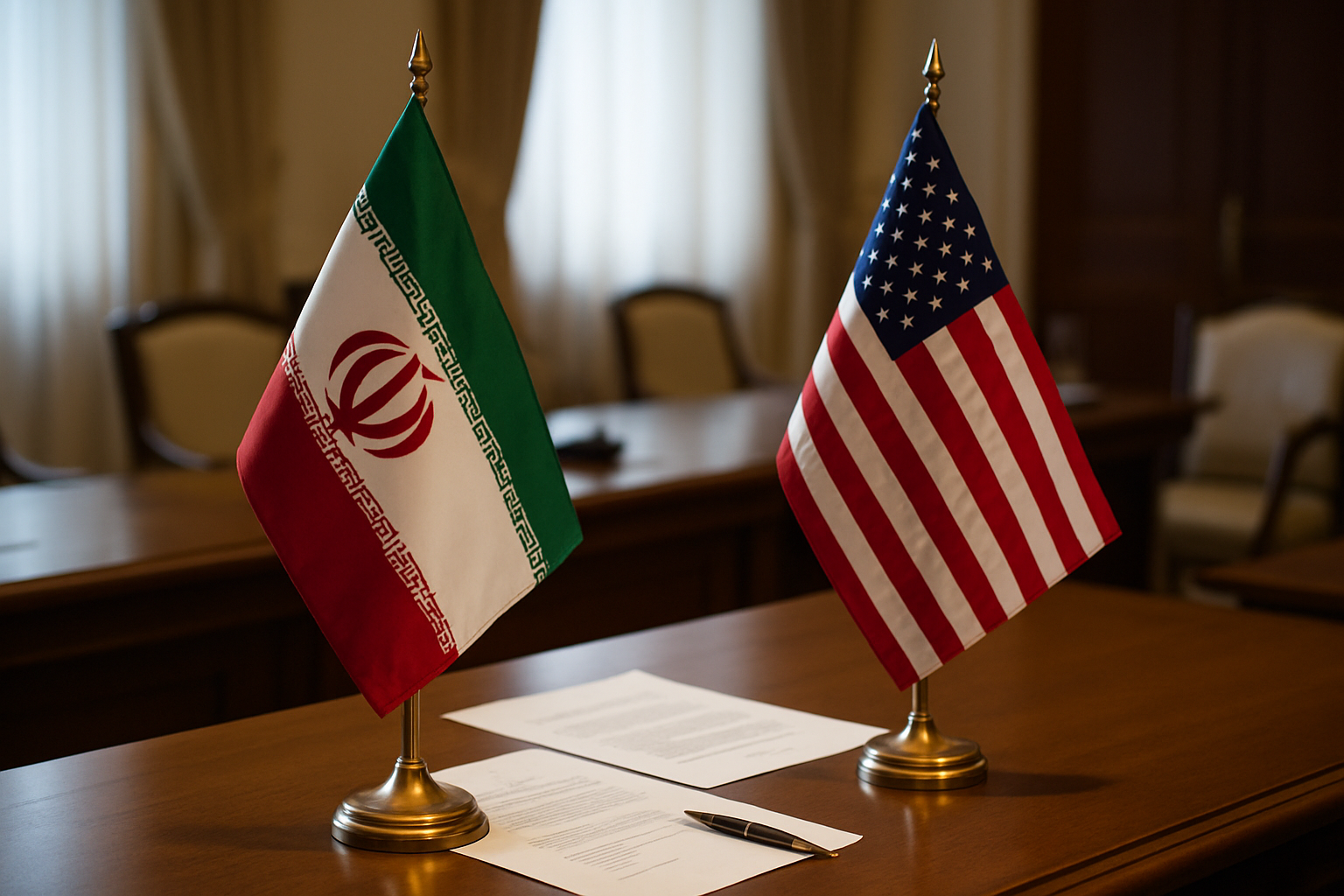
Iranian President Masoud Pezeshkian has ordered the start of nuclear negotiations with the United States, marking a significant diplomatic development amid escalating military tensions in the Middle East and reports that talks could commence as early as this week in Turkey or the UAE.
The announcement, reported by Iran's Fars news agency on Monday, comes as both nations signal readiness to revive stalled diplomacy and avert fears of a new regional conflict. According to multiple diplomatic sources, Iranian Foreign Minister Abbas Araghchi and US Special Envoy Steve Witkoff could meet in Turkey within days, with Ankara positioned as a potential venue for renewed negotiations.
"President Pezeshkian has ordered the initiation of nuclear negotiations with the United States," Fars reported, citing unnamed Iranian officials. The development follows US President Donald Trump's recent expression of hope for reaching a diplomatic deal with Tehran, despite continued military posturing by both sides.
Diplomatic Framework Takes Shape
Iran's Foreign Ministry confirmed Monday that Tehran is examining several diplomatic processes pitched by regional countries to ease tensions with Washington. A foreign ministry spokesperson indicated that Iran expects a framework for talks to emerge "in the coming days," suggesting momentum toward formal negotiations.
Turkish officials have confirmed their country's willingness to host discussions, with a Turkish ruling party official telling Reuters that Tehran and Washington had agreed the discussions would focus on diplomacy rather than military confrontation. The United Arab Emirates has also been mentioned as a potential alternative venue for the sensitive negotiations.
The diplomatic opening occurs against a backdrop of sustained military pressure, with the United States maintaining a significant naval presence in the region, including the USS Abraham Lincoln carrier strike group positioned near Iranian waters. Trump has repeatedly emphasized America's military superiority while simultaneously expressing openness to dialogue.
Context of Escalating Tensions
The push for negotiations comes amid a complex web of regional tensions. Last year, the United States joined Israeli forces in striking Iranian nuclear targets during a 12-day bombing campaign, significantly damaging Tehran's nuclear infrastructure and raising international concerns about Iran's nuclear capabilities.
Trump has threatened military action against Iran following the Islamic Republic's violent crackdown on anti-government protests. According to Human Rights Activists News Agency (HRANA), over 42,000 people have been arrested since the protests began, with 6,842 confirmed deaths, primarily among demonstrators.
Iran's Supreme Leader Ayatollah Ali Khamenei has warned that any American attack would trigger a "regional war," stating that "Americans must know that if they start a war, this time it will be a regional war." The warning underscores the high stakes surrounding any potential military confrontation.
Nuclear Program at Center of Dispute
The nuclear issue remains the central point of contention between the two nations. Iran's nuclear program has advanced significantly since the collapse of the Joint Comprehensive Plan of Action (JCPOA) in 2018, when Trump withdrew the United States from the agreement during his first presidency.
Current reports suggest significant gaps remain between the two sides, particularly regarding Iran's missile program and the scope of any future nuclear restrictions. However, diplomatic sources indicate both sides recognize the need to prevent further escalation that could destabilize the entire Middle East region.
The European Union had previously designated Iran's Islamic Revolutionary Guard Corps (IRGC) as a terrorist organization, prompting Tehran to reciprocally declare all EU military forces as "terrorist groups." This tit-for-tat designation has added another layer of complexity to international diplomatic efforts.
Regional Players and International Stakes
Regional countries have been actively working to facilitate dialogue between Tehran and Washington. Turkey, under President Recep Tayyip Erdogan, has positioned itself as a neutral mediator, leveraging its relationships with both Iran and the United States to create space for diplomatic engagement.
The UAE, which has maintained pragmatic relations with Iran despite regional tensions, has also emerged as a potential host for negotiations. Both countries offer neutral ground away from the direct pressures of Washington and Tehran.
Iran has conducted naval exercises in the strategic Strait of Hormuz, featuring live-fire drills that demonstrate its capability to disrupt global oil supplies if confronted militarily. The exercises serve as both a show of strength and a reminder of the economic consequences of any military conflict.
Challenges Ahead
Despite the diplomatic opening, significant obstacles remain. The legacy of mistrust from previous failed negotiations, Iran's advanced nuclear program, and ongoing regional conflicts create a complex negotiating environment.
Trump's "maximum pressure" campaign of sanctions remains in place, and Iranian officials have indicated that sanctions relief will be a key component of any successful agreement. The timing of negotiations also coincides with increased international scrutiny of Iran's human rights record following the violent suppression of protests.
Western diplomats familiar with the process suggest that any initial talks would focus on establishing confidence-building measures and creating a framework for more substantive negotiations. The success of these preliminary discussions could determine whether broader nuclear talks resume for the first time since the JCPOA collapsed.
Looking Forward
The announcement of Iran's readiness for nuclear talks represents a significant shift in regional dynamics, offering a potential off-ramp from escalating military tensions. However, the path to any substantive agreement remains fraught with challenges, requiring careful navigation of competing domestic and international pressures.
Both sides appear to recognize that the alternative to diplomacy could be a devastating regional conflict that would have far-reaching consequences for global security and economic stability. As potential talks move forward, the international community will be watching closely to see whether this diplomatic opening can produce meaningful results.
The coming days will be crucial in determining whether the reported presidential order translates into actual negotiations and whether the United States responds positively to Iran's diplomatic overture. Success or failure in these initial steps could determine the trajectory of US-Iran relations for years to come.