Iran has categorically rejected proposals to reopen the strategically critical Strait of Hormuz in exchange for a temporary ceasefire, with senior officials telling Reuters that Tehran will only consider a permanent deal as the global energy crisis intensifies.
A senior Iranian official confirmed to Reuters that Iran has received Pakistan's proposal for an immediate armistice and is examining it, but emphasized that the Islamic Republic is not prepared to reopen the Strait of Hormuz unless the United States demonstrates readiness for a lasting settlement rather than a temporary truce.
Strategic Waterway Remains Closed
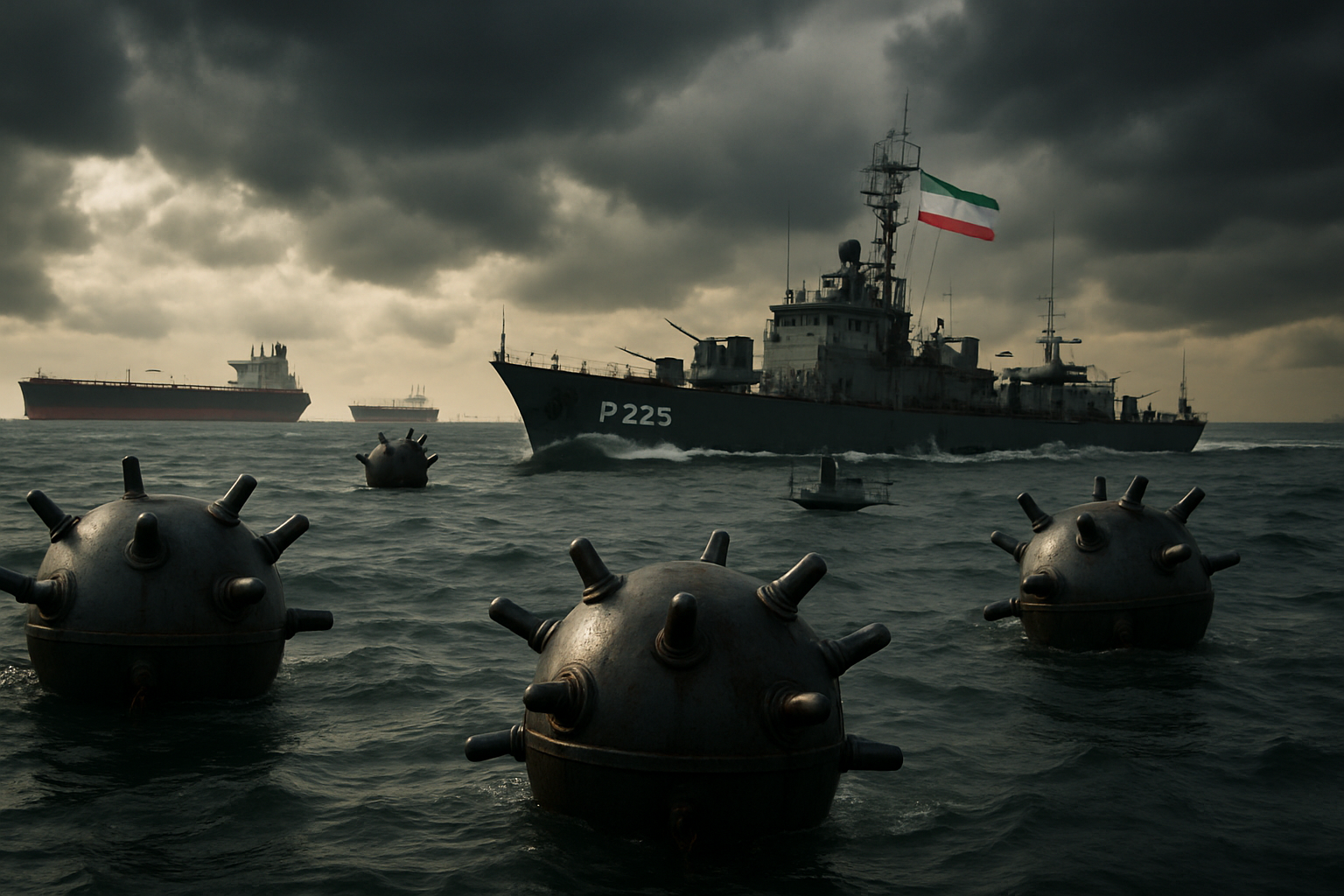
The Strait of Hormuz, which carries approximately 40% of the world's seaborne oil transit, has been effectively closed by Iran through naval mining operations since the escalation began in early 2026. The Revolutionary Guards have deployed an estimated 2,000-6,000 naval mines throughout the critical 21-mile waterway, stranding over 150 oil tankers worth billions of dollars in the Persian Gulf.
Iran's Revolutionary Guards have warned that conditions in the strait "will never return to its former status, especially for the US and Israel," according to sources from Singapore. This declaration signals Iran's determination to maintain control over the strategic chokepoint as leverage in ongoing negotiations.
Global Economic Impact Intensifies
The closure has triggered the most severe global energy crisis since the 1970s oil shocks. Oil prices have surged past $100 per barrel for the first time since 2014, with Brent crude reaching $119.50 and WTI hitting record daily jumps. The International Energy Agency (IEA) has authorized its largest strategic petroleum reserve release in history, releasing 400 million barrels from 32 countries.
"Due to the unexpected and sudden closure of the Strait of Hormuz, following attacks on Iran by Israel and Donald Trump's USA, a significant amount of aviation fuel is no longer reaching Europe."
— Belgian Energy Officials
The aviation industry faces unprecedented disruption, with over 18,000 flights cancelled worldwide—the most severe since the COVID-19 pandemic. Eight Middle Eastern countries have closed their airspace simultaneously, severing critical Europe-Asia corridors and forcing airlines to implement emergency fuel surcharges.
Diplomatic Efforts and Regional Responses
Pakistan has emerged as a key mediator in the crisis, with officials confirming they have transmitted a peace plan to Iran. The proposal calls for an immediate armistice, but Iranian leadership remains firm that only a comprehensive, permanent agreement addressing underlying issues will be acceptable.
Belgium, despite being better prepared than most European nations for energy disruptions, faces the prospect of flight ticket increases of up to 9% this summer if the situation persists. The aviation fuel shortage has created ripple effects throughout European economies, with kerosene becoming increasingly expensive and supply shortages threatening various sectors.
Revolutionary Context and Leadership Changes
The crisis unfolds amid significant political changes in Iran following the death of Supreme Leader Ali Khamenei on March 1, 2026. His son, Mojtaba Khamenei, has been appointed as the new Supreme Leader—marking the first hereditary succession in the Islamic Republic's 47-year history. This transition has consolidated Revolutionary Guards' control over Iranian governance, shifting from traditional clerical leadership to military influence.
The timing of Iran's firm stance coincides with this leadership transition, suggesting the new administration is determined to project strength and maintain strategic leverage through control of the world's most critical energy chokepoint.
International Coalition Under Pressure
The crisis has severely strained regional coalitions, with the unprecedented Saudi-UAE-Qatar-Egypt diplomatic consensus supporting peaceful resolution coming under pressure as Iranian retaliation has targeted member territories. Egyptian President Sisi has condemned attacks on "sisterly countries" while warning of "comprehensive chaos" spreading across the region.
European nations have activated unprecedented response measures, including the EU's first-ever ESTIA evacuation protocol following Iranian drone strikes on Cyprus—marking the first attack on European territory since World War II.
Nuclear Diplomacy Breakdown
Iran's rejection of temporary measures reflects the complete breakdown of nuclear diplomacy despite earlier progress. Geneva framework talks had achieved what experts called "broad agreement on guiding principles"—the most significant diplomatic progress since the JCPOA collapse in 2018. However, fundamental scope disagreements proved insurmountable, with Iran insisting on nuclear-only discussions while the US demanded comprehensive agreements covering ballistic missiles, proxy forces, and human rights.
Iran continues uranium enrichment at 60% levels with over 400kg of weapons-grade material, approaching the threshold for multiple weapons capability, while the New START treaty's expiration in February 2026 has created the first 50-year period without US-Russia nuclear constraints.
Humanitarian and Economic Consequences
The ongoing crisis has created massive humanitarian displacement, with Iran's Red Crescent reporting over 787 civilian casualties from US-Israeli strikes. International evacuations have reached Arab Spring 2011 levels, with Australia reporting 115,000 nationals trapped and Germany evacuating 30,000 stranded tourists.
Supply chains for automotive, electronics, and textile industries face severe disruption due to their dependence on Gulf logistics networks. Major shipping companies Maersk and MSC have suspended Persian Gulf operations, while Qatar's LNG production halt threatens 20% of global exports, affecting European energy supplies.
Global Stakes and Future Implications
UN Secretary-General António Guterres has characterized the situation as the "greatest test of multilateral cooperation in the modern era." The crisis represents a template-setting moment for 21st-century international relations, determining whether diplomatic or military solutions will prevail in future territorial and nuclear disputes globally.
Iran's firm rejection of temporary measures signals its calculation that maintaining control over the Strait of Hormuz provides maximum leverage for achieving its broader strategic objectives. The 21-mile waterway represents a single-point failure in modern global logistics, with no realistic alternatives capable of handling the volume of energy transit.
As international mediators work to prevent broader regional war, Iran's position that "only a permanent deal is acceptable" suggests the crisis will continue until fundamental underlying issues are addressed through comprehensive diplomatic engagement rather than temporary stopgap measures.