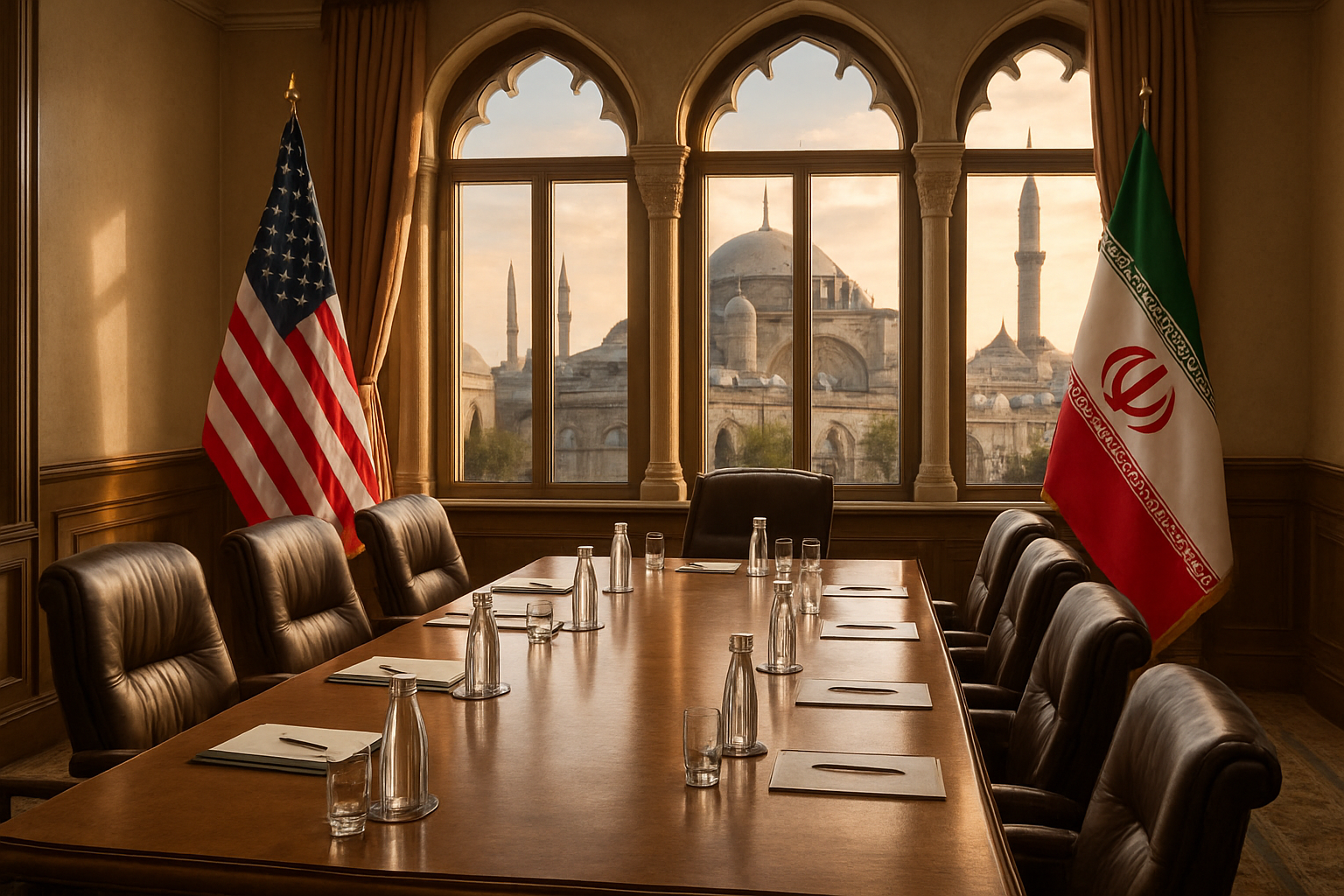
Iran has officially ordered the initiation of nuclear negotiations with the United States, marking the first major diplomatic breakthrough between the two nations since the collapse of the Joint Comprehensive Plan of Action (JCPOA) in 2018, with high-level talks now scheduled to take place in Istanbul on Friday.
Iranian President Masoud Pezeshkian issued the directive on Monday, February 2, 2026, according to local media reports, following President Trump's expressed optimism about reaching a diplomatic deal to avert potential military action against the Islamic Republic. The announcement comes against a backdrop of severe regional tensions, with the US deploying the USS Abraham Lincoln carrier strike group to the Arabian Sea and Iran conducting naval exercises in the strategically vital Strait of Hormuz.
Critical Friday Summit in Istanbul
The planned negotiations will bring together US Special Envoy Steve Witkoff and Iranian Foreign Minister Abbas Araghchi in what diplomatic sources describe as a "best-case scenario" meeting. The talks, scheduled for Friday in Istanbul, represent the first high-level contact between Washington and Tehran since a devastating 12-day military confrontation in June 2025 that brought the Middle East to the brink of regional collapse.
Turkey has emerged as the primary venue for these crucial discussions, with the United Arab Emirates serving as an alternative location. The choice of Istanbul reflects Turkey's long-standing role as a mediator between Iran and Western powers, capitalizing on its unique position straddling Europe and Asia while maintaining diplomatic relations with both Washington and Tehran.
According to sources close to the arrangements, diplomatic couriers have been working in high-security Istanbul venues to prepare for what many consider an unthinkable diplomatic opening just eight months after the region faced the prospect of total collapse.
Trump's Maximum Pressure Meets Diplomatic Opening
President Trump signaled cautious optimism about the negotiations during a Fox News interview, stating that Iran is "negotiating with the United States" and expressing hope for a diplomatic resolution. "The plan is that (Iran is) talking to us, and we'll see if we can do something. Otherwise, we'll see what happens," Trump declared, while emphasizing America's naval superiority in the region.
The diplomatic overture comes as Trump's "maximum pressure" campaign has reached unprecedented intensity. The administration has threatened military action following Iran's deadly response to anti-government protests that peaked in recent months, resulting in over 42,000 arrests and 6,842 confirmed deaths according to the Human Rights Activists News Agency (HRANA).
The timing of the diplomatic opening appears carefully calibrated, occurring as Iran faces multiple pressures including reciprocal terrorist designations with the European Union, ongoing domestic unrest, and the looming threat of expanded military action by the US-Israel alliance that previously targeted Iranian nuclear facilities in 2025.
Regional Actors and Broader Implications
The Istanbul talks are expected to involve representatives from key Middle Eastern powers, including Saudi Arabia, Egypt, Qatar, and the UAE, reflecting the regional dimension of the nuclear crisis. This multilateral approach represents a significant evolution from previous bilateral US-Iran negotiations, acknowledging the broader security concerns of Gulf states and regional powers.
Iran's Supreme Leader Ayatollah Ali Khamenei has issued stark warnings about the consequences of any American attack, stating that such action would trigger a "regional war" in the Middle East. The 86-year-old leader's comments underscore the high stakes surrounding the diplomatic initiative, as both sides maintain military postures while exploring dialogue.
Military Tensions Amid Diplomatic Overtures
The diplomatic breakthrough occurs against a backdrop of unprecedented military tensions. Iran has been conducting naval exercises in the Strait of Hormuz featuring live-fire drills, while the US maintains a significant naval presence in the Arabian Sea with the USS Abraham Lincoln carrier strike group.
The Iranian Revolutionary Guard Corps (IRGC) has accused the US of conducting "psychological warfare" while claiming to have "action plans for any hostile scenario." IRGC spokesperson Ali Mohammad Naeeni's statements reflect the delicate balance Iran is attempting to maintain between projecting strength and engaging in diplomacy.
These military maneuvers take place as both nations face domestic political pressures. Iran continues to grapple with the aftermath of its protest crackdown, while the Trump administration faces questions about its approach to Middle East policy amid ongoing conflicts in Ukraine and other global hotspots.
Historical Context and JCPOA Legacy
The upcoming talks represent the most significant diplomatic engagement between Iran and the US since the collapse of the JCPOA in 2018, when Trump withdrew the United States from the nuclear agreement negotiated during the Obama administration. The intervening years have seen a steady escalation of tensions, including the assassination of IRGC Quds Force commander Qasem Soleimani, Iranian attacks on US bases, and the recent military confrontation that devastated parts of Iran's nuclear infrastructure.
The current diplomatic opening differs markedly from previous negotiations in its scope and urgency. Unlike the prolonged multilateral process that produced the JCPOA, these talks are occurring under the immediate threat of military action and amid active regional conflicts that have already claimed thousands of lives.
Challenges and Prospects
Despite the diplomatic breakthrough, significant obstacles remain. Iran's nuclear program has advanced considerably since the JCPOA's collapse, with the International Atomic Energy Agency reporting continued expansion of uranium enrichment activities. The recent US-Israeli strikes on Iranian nuclear facilities have complicated the technical aspects of any potential agreement while demonstrating the consequences of diplomatic failure.
The domestic political situations in both countries present additional challenges. Iran's leadership faces ongoing protests and international isolation, while Trump's administration must navigate congressional skepticism about engagement with Tehran and pressure from regional allies who favor continued confrontation.
Regional powers are closely watching the Istanbul talks, with Saudi Arabia and Israel expressing concerns about any agreement that might legitimize Iran's regional influence or provide sanctions relief without comprehensive changes to Iranian behavior. The UAE's willingness to serve as an alternative venue reflects the Gulf states' complex relationship with Iran, seeking stability while maintaining security concerns.
Looking Ahead
As diplomatic couriers finalize arrangements for Friday's meeting, both sides appear to recognize the stakes involved. For Iran, the talks represent an opportunity to escape international isolation and economic pressure while maintaining its regional influence and nuclear capabilities. For the United States, successful negotiations could prevent a wider regional conflict while addressing proliferation concerns through diplomacy rather than military action.
The Istanbul summit will test whether Trump's "maximum pressure" strategy can indeed yield what he has termed a "maximum deal." With regional tensions at their highest point in decades and both sides maintaining military readiness, Friday's meeting represents a critical juncture that could either defuse one of the world's most dangerous confrontations or mark the final diplomatic effort before broader conflict.
The international community will be watching closely as Witkoff and Araghchi sit down in Istanbul, knowing that the outcome of their discussions could reshape Middle Eastern geopolitics and determine whether diplomacy can still prevail in an increasingly militarized region.