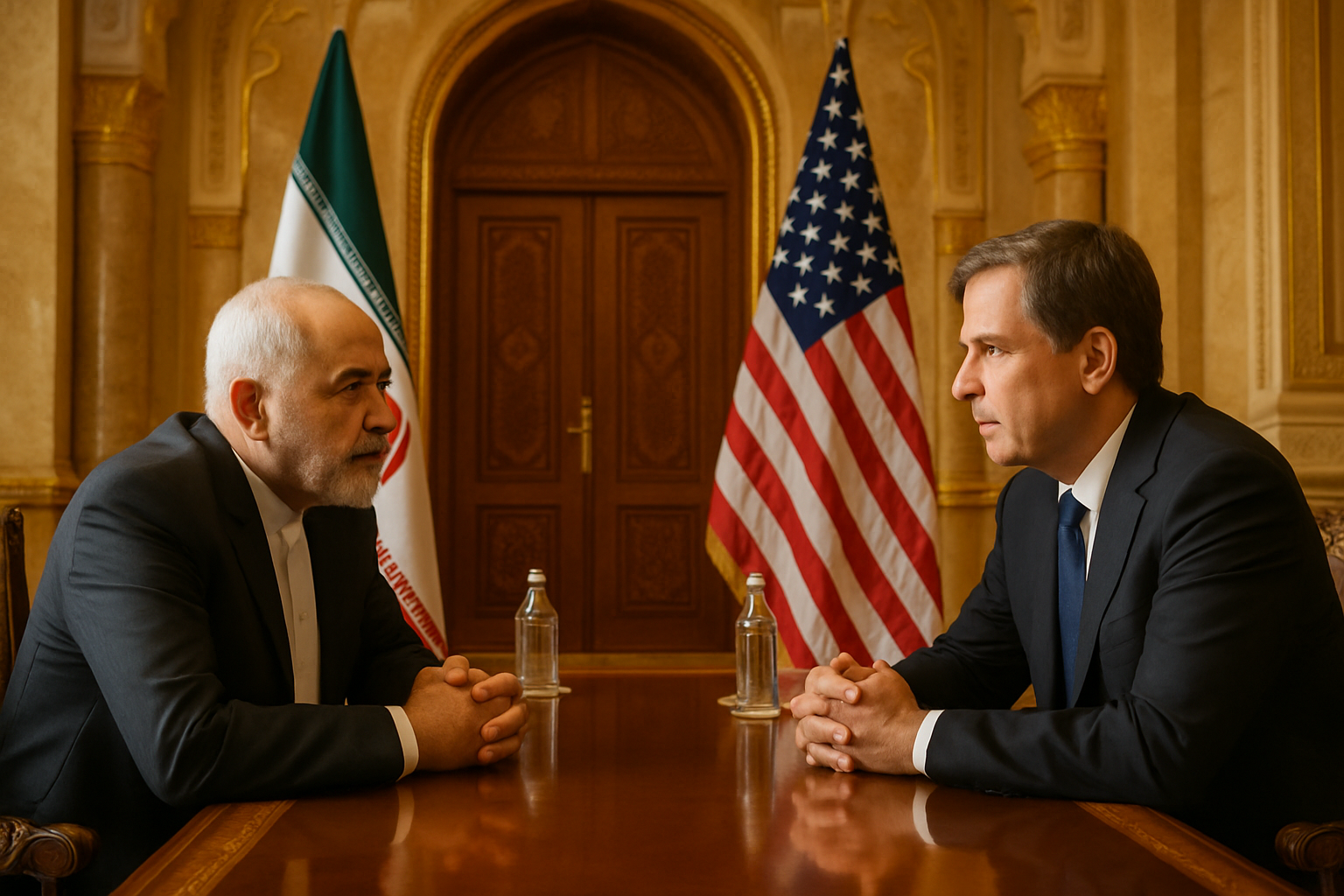
Iran and the United States began high-stakes indirect nuclear negotiations in Oman on Friday, marking the most significant diplomatic engagement between the two adversaries since the collapse of the 2015 Joint Comprehensive Plan of Action (JCPOA) in 2018.
The talks, taking place in Muscat with Omani mediation, bring together Iranian Foreign Minister Abbas Araghchi and US Special Envoy Steve Witkoff in what multiple sources describe as a pivotal moment for preventing military confrontation in the Middle East. The negotiations represent the first major diplomatic contact since the United States joined Israel's military operations against Iran in June 2025 with strikes on Iranian nuclear facilities.
Venue Change Signals Diplomatic Constraints
The location was moved from Istanbul to Oman at Iran's specific request to limit discussions exclusively to nuclear issues, excluding ballistic missiles and regional proxy activities as Iranian "red lines." This venue change underscores fundamental disagreements over the scope of negotiations, with US Secretary of State Marco Rubio insisting that any comprehensive agreement must address Iran's ballistic missile program, support for armed groups across the region, and what he termed Iran's "treatment of their own people."
Oman's selection as mediator reflects its historical role in facilitating the original 2015 JCPOA negotiations and its reputation for neutral diplomacy in regional conflicts. The sultanate has maintained diplomatic relations with both Washington and Tehran throughout decades of hostility between the two powers.
Military Tensions Overshadow Diplomatic Efforts
The negotiations are proceeding against a backdrop of escalating military confrontations in the region. Just days before the talks, a US F-35C fighter jet from the USS Abraham Lincoln aircraft carrier shot down an Iranian Shahed-139 drone in the Arabian Sea approximately 800 kilometers from Iran's coast. Navy Captain Tim Hawkins of CENTCOM confirmed the intercept was conducted in self-defense after the drone aggressively approached the carrier group.
On the same day, vessels from Iran's Islamic Revolutionary Guard Corps (IRGC) harassed the US-flagged tanker Stena Imperative in the Strait of Hormuz, according to maritime security firm Vanguard Tech. These incidents caused oil prices to rise by more than $1 per barrel and highlighted the precarious security situation as diplomats attempted to find peaceful solutions.
"Iran and the United States started high-stakes negotiations via Omani mediation on Friday to try to overcome sharp differences over Tehran's nuclear programme, while a dispute over widening the agenda risked derailing diplomacy and triggering another Middle East conflict."
— Cyprus Mail Report
Nuclear Program at Critical Juncture
Iran's nuclear program has advanced significantly since the US withdrawal from the JCPOA under the first Trump administration in 2018. Tehran is currently enriching uranium at 60% purity, far exceeding the 3.67% limit established in the original nuclear deal and approaching the 90% threshold needed for weapons-grade material. Intelligence reports suggest Iran possesses enough enriched uranium for multiple nuclear weapons if weaponized.
Potential Iranian concessions reportedly under consideration include a three-year halt to uranium enrichment and the transfer of existing stockpiles to a third country, likely Russia. These measures would represent substantial rollbacks from Iran's current nuclear capabilities and could provide the foundation for renewed international monitoring and verification.
Regional Powers Rally Behind Diplomacy
An unprecedented coalition of Middle Eastern powers has endorsed the diplomatic process, with Saudi Arabia, the United Arab Emirates, Qatar, and Egypt all supporting the negotiation framework. This regional consensus reflects widespread concerns about the economic and security implications of a potential military confrontation between the US and Iran.
The support from traditional rivals in the region underscores the high stakes involved. A breakdown in negotiations could accelerate toward military solutions that would destabilize global energy markets, disrupt maritime security in the Persian Gulf, and potentially trigger a wider regional conflict involving multiple nations.
Domestic Pressures Drive Negotiation Urgency
Both governments face significant domestic pressures that add urgency to the diplomatic process. Iran is grappling with severe economic sanctions that have created a regime survival imperative for sanctions relief, while also dealing with the aftermath of widespread protests that have resulted in over 42,000 arrests according to human rights organizations.
The Trump administration, meanwhile, seeks a foreign policy victory while avoiding the military risks associated with a direct confrontation with Iran. However, the president faces pressure from Republican hawks in Congress who view diplomatic engagement as potentially appeasing Iranian aggression.
Scope Disagreements Threaten Progress
The fundamental disagreement over the negotiation agenda poses the most significant obstacle to progress. Iran has established clear "red lines" around its ballistic missile program and regional activities, demanding compartmentalized nuclear-only discussions. Iranian officials argue that missiles and proxy support are sovereign defense matters separate from nuclear compliance.
The United States maintains what officials describe as an "integrated threat matrix" requiring a comprehensive solution that addresses all dimensions of Iranian regional behavior. Secretary Rubio has been explicit that any lasting agreement must include verifiable restrictions on missile development and support for groups like Hezbollah and the Houthis.
Historical Context and International Stakes
The current negotiations take place amid a complex global diplomatic landscape that includes ongoing Ukraine-Russia peace talks in Abu Dhabi, the recent expiration of the New START nuclear treaty between the US and Russia, and heightening tensions with China over Taiwan and trade issues.
Success in the Iran talks could provide a rare example of diplomatic conflict resolution in an increasingly polarized international system. Conversely, failure could accelerate military solutions and undermine the global non-proliferation regime at a time when multiple nuclear programs worldwide require urgent attention.
Implementation Challenges and Verification
Even if negotiators overcome the scope disagreements, substantial technical and political challenges remain in implementing any agreement. The original JCPOA required years of detailed negotiations to establish verification mechanisms, sanctions relief timelines, and dispute resolution procedures.
Current discussions must address advanced centrifuges and enrichment capabilities that did not exist during the original negotiations, as well as Iran's expanded regional presence and more sophisticated ballistic missile arsenal. International monitors would need unprecedented access to verify compliance with any new restrictions.
Global Economic and Security Implications
The negotiations carry implications far beyond the bilateral US-Iran relationship. The Persian Gulf hosts approximately 40% of global oil transit, making regional stability crucial for international energy markets. Maritime security in the Strait of Hormuz affects shipping routes vital to global commerce.
Regional allies, particularly Israel, have expressed concerns about any agreement that fails to address Iran's missile capabilities and proxy support network. Israeli officials have indicated they would reserve the right to independent military action if diplomatic solutions prove insufficient to address perceived existential threats.
Next Steps and Future Prospects
The talks are expected to continue through multiple sessions, with both sides indicating that substantive negotiations could extend over weeks or months. The initial sessions will likely focus on establishing common ground on nuclear restrictions before addressing the more contentious issues of missiles and regional activities.
Success will require unprecedented compromise from both governments. Iran would need to accept significant constraints on its nuclear program and potentially its regional activities, while the United States would need to provide meaningful sanctions relief and security guarantees.
The international community is closely monitoring developments, with European allies, regional partners, and global institutions all having stakes in the outcome. The talks represent perhaps the last diplomatic opportunity to address Iran's nuclear program through negotiation rather than military action, making their success or failure consequential for Middle Eastern stability and global security architecture.