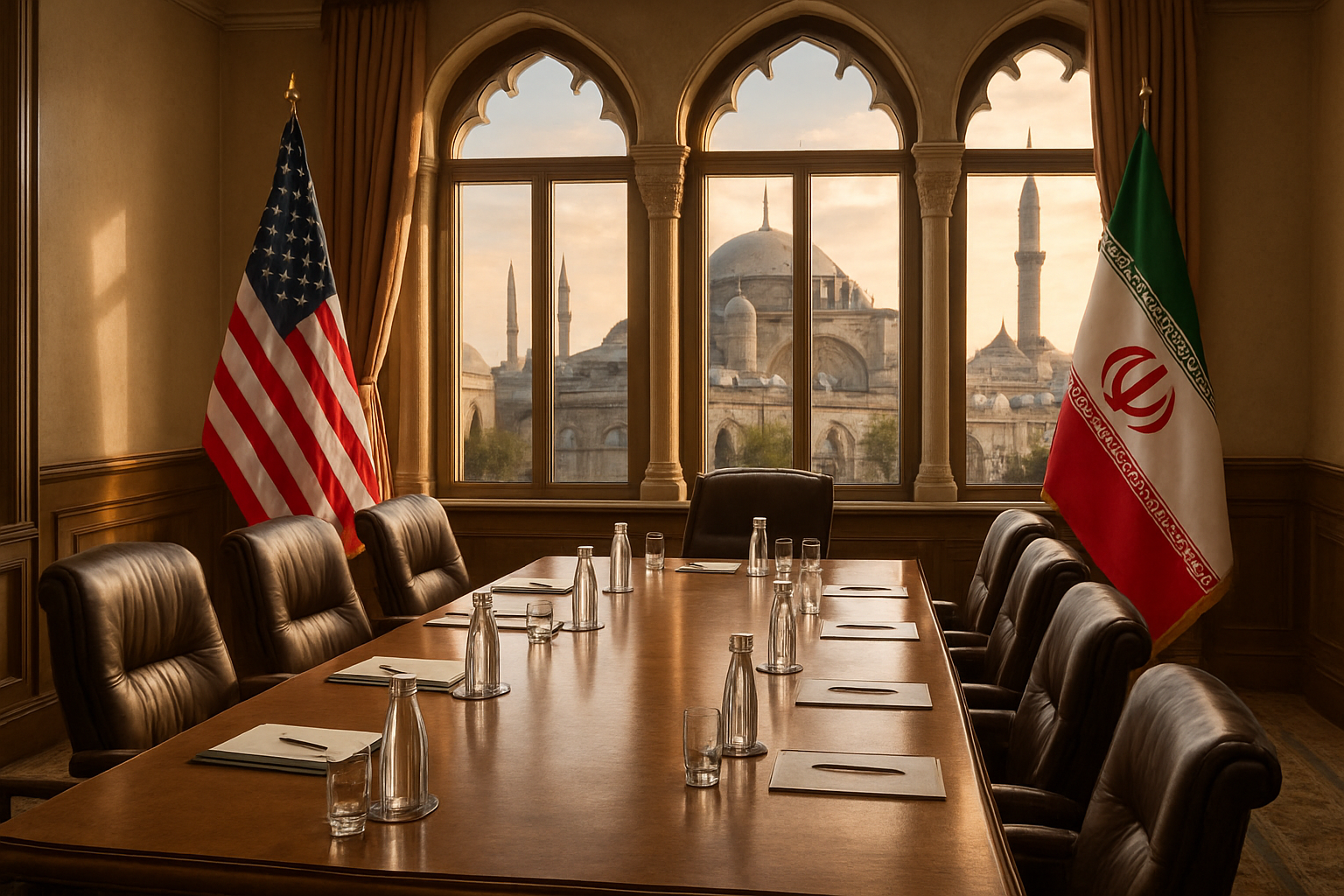
Iran and the United States are preparing for high-stakes nuclear talks in Istanbul on Friday, marking the most significant diplomatic breakthrough between the two nations since the collapse of the Joint Comprehensive Plan of Action (JCPOA) in 2018, according to multiple Iranian and US officials.
The announcement comes after Iranian President Massoud Pezeshkian officially ordered the initiation of nuclear negotiations with the United States on Monday, as reported by Iran's Fars news agency. US Special Envoy Steve Witkoff and Iranian Foreign Minister Abbas Araghchi are expected to meet in Turkey's largest city to revive diplomacy over the long-running dispute about Iran's nuclear programme.
"Iran and the United States will resume nuclear talks on Friday in Turkey," Iranian and US officials told Reuters, while a regional diplomat confirmed that representatives from countries including Saudi Arabia, Egypt, Qatar, and the UAE would also participate in the broader discussions.
Regional Powers Rally for Diplomatic Solution
The Istanbul meeting represents a multilateral approach to resolving Middle Eastern tensions, with Turkey and other regional allies actively seeking de-escalation. A regional diplomat speaking to Reuters revealed the scope of international involvement: "Qatar, Saudi Arabia, UAE and Egypt, as well as some other countries, will attend the Istanbul meeting. There will be bilateral, trilateral and other meetings."
This diplomatic initiative comes at a critical juncture, as tensions between Iran and the United States have reached alarming heights following recent events. Iran's Supreme Leader Ayatollah Ali Khamenei issued stark warnings about a potential "regional war" if the US attacks Iran, while President Trump has threatened military action and deployed the USS Abraham Lincoln carrier strike group to the Arabian Sea.
The talks occur against a backdrop of Iran's deadly crackdown on anti-government protests that peaked last month, resulting in over 42,000 arrests and 6,842 confirmed deaths according to human rights organizations. The US has responded with increased sanctions and military posturing, creating a volatile situation that regional powers are eager to defuse.
Historical Context and Previous Negotiations
The upcoming talks represent the first serious diplomatic engagement between Iran and the US since the JCPOA, commonly known as the Iran nuclear deal, collapsed in 2018 when then-President Trump withdrew the United States from the agreement. Since then, Iran has gradually reduced its compliance with the deal's restrictions on uranium enrichment, while the US has maintained its "maximum pressure" sanctions campaign.
The current diplomatic opening follows months of escalating tensions, including US-Israeli strikes on Iranian nuclear facilities in 2025 and Iran's reciprocal designation of EU military forces as "terrorist groups" in retaliation for the European Union's similar designation of Iran's Islamic Revolutionary Guard Corps (IRGC).
"The plan is that (Iran is) talking to us, and we'll see if we can do something. Otherwise, we'll see what happens."
— President Donald Trump, Fox News Interview
Military Posturing Amid Diplomatic Overtures
Even as diplomatic channels open, both nations continue to maintain aggressive military postures. Iran conducted naval exercises in the Strait of Hormuz featuring live-fire drills over the weekend, while the US has positioned what Trump described as "the largest and most powerful ships in the world" near Iranian waters.
The timing of these talks is particularly significant given the broader Middle Eastern context. The region remains on edge following ongoing conflicts in Gaza, where eight Arab and Muslim nations recently condemned alleged Israeli ceasefire violations, and the continuing war in Ukraine, which has created complex geopolitical alignments affecting Iran-US relations.
Iran's Foreign Ministry spokesperson Esmail Baghaei indicated that the framework for talks could be established "in the coming days," while multiple sources suggest that Turkey has emerged as the primary venue for negotiations, with the UAE serving as an alternative option.
Key Players and Expectations
The talks will be led by seasoned diplomatic figures on both sides. Steve Witkoff, Trump's Middle East envoy, brings experience from his role in facilitating other regional negotiations. Abbas Araghchi, Iran's Foreign Minister, has been a key figure in previous nuclear negotiations and represents the pragmatic wing of Iranian diplomacy under President Pezeshkian's administration.
The involvement of regional powers signals a broader understanding that any sustainable solution to the Iran nuclear issue requires regional buy-in. Saudi Arabia and the UAE, in particular, have significant security concerns about Iran's nuclear capabilities and regional influence, making their participation crucial for long-term stability.
Challenges and Obstacles
Despite the diplomatic breakthrough, significant challenges remain. Iran's uranium enrichment levels have increased substantially since the JCPOA collapse, with the International Atomic Energy Agency (IAEA) reporting concerning developments in Iran's nuclear program. The US maintains extensive sanctions on Iran, while Iran continues to support regional proxy groups that Washington considers threats to American interests.
The recent protests in Iran have added another layer of complexity to the negotiations. The Iranian government's violent suppression of demonstrators has drawn international condemnation and US threats of military intervention, creating additional pressure on the diplomatic process.
Moreover, both leaders face domestic political pressures that could complicate negotiations. President Trump must balance his "maximum pressure" approach with diplomatic opportunities, while President Pezeshkian must navigate Iran's complex political system, where hardliners remain skeptical of engagement with Washington.
International Stakes and Regional Implications
The success or failure of these talks will have far-reaching implications for Middle Eastern stability and global nuclear non-proliferation efforts. A breakthrough could ease regional tensions, reduce the risk of military conflict, and potentially pave the way for broader Middle Eastern security arrangements.
However, failure could lead to further escalation, potentially triggering the "regional war" that Supreme Leader Khamenei has warned about. The presence of US military assets in the region, combined with Iran's stated readiness to respond to any attack, creates a dangerous dynamic that makes diplomatic success all the more urgent.
The talks also occur as the international community watches closely. European allies, who have maintained the JCPOA despite US withdrawal, are eager to see a diplomatic solution that prevents nuclear proliferation while addressing regional security concerns.
Looking Ahead
As delegations prepare for Friday's meeting in Istanbul, the international community holds its breath. The talks represent a rare opportunity to step back from the brink of military confrontation and find a diplomatic path forward on one of the world's most pressing nuclear issues.
Success will require both sides to make difficult compromises while managing domestic political pressures and regional security concerns. The involvement of regional powers suggests a more comprehensive approach to Middle Eastern security that could yield lasting results if all parties commit to serious engagement.
The coming days will reveal whether this diplomatic opening can overcome years of mistrust and escalating tensions, or whether the Middle East will continue its slide toward a potentially catastrophic regional conflict that could reshape global geopolitics for years to come.