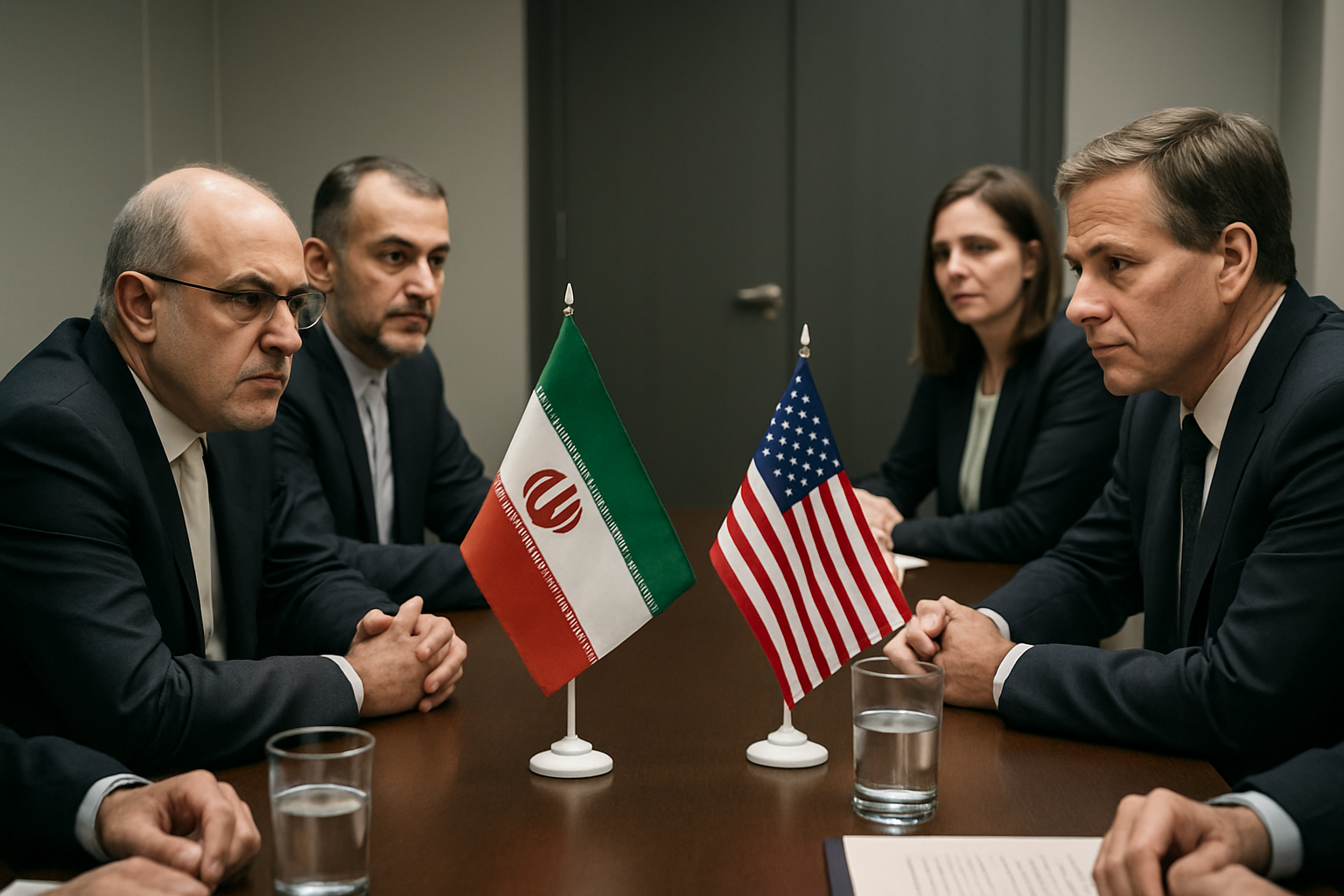
Iranian officials have reported cautious optimism about ongoing nuclear negotiations with the United States, though significant disagreements persist over the scope of any potential agreement, according to multiple diplomatic sources familiar with the discussions.
The latest round of talks, which have evolved from initial discussions in Oman to high-level Geneva negotiations, represents the most sustained diplomatic engagement between the two nations since the collapse of the Joint Comprehensive Plan of Action (JCPOA) in 2018. Iranian Foreign Minister Abbas Araghchi has characterized recent discussions as achieving "broad agreement on guiding principles," marking what officials describe as the most significant progress in nuclear diplomacy since the original nuclear deal's breakdown.
Nuclear Program Status Remains Critical
Iran continues to enrich uranium at 60% purity, significantly above the 3.67% limit established under the JCPOA and approaching the 90% threshold considered weapons-grade. Intelligence assessments indicate Iran possesses sufficient enriched uranium material for multiple nuclear weapons if weaponized, creating urgency around diplomatic efforts to prevent further escalation.
Despite the ongoing negotiations, Iranian officials have maintained that uranium enrichment remains an "inalienable right" and have rejected calls for complete cessation of nuclear activities. President Masoud Pezeshkian has indicated Iran is "open to verification" mechanisms, representing a potential shift from previous positions and suggesting room for compromise on monitoring protocols.
"Iran will never abandon uranium enrichment, even if war is imposed on the Islamic Republic."
— Abbas Araghchi, Iranian Foreign Minister
Fundamental Scope Disagreements Persist
The most significant obstacle to progress remains a fundamental disagreement over the scope of any potential agreement. Iran has designated its ballistic missile program and regional proxy activities as "red lines," insisting that nuclear talks be compartmentalized and limited solely to atomic issues.
Conversely, US Secretary of State Marco Rubio has demanded that any comprehensive agreement must address Iran's missile capabilities, support for regional armed groups, and human rights concerns. This structural disagreement has prevented breakthrough attempts for over a decade and continues to challenge negotiators seeking innovative solutions.
Regional Coalition Supports Diplomatic Process
In an unprecedented development, Saudi Arabia, the United Arab Emirates, Qatar, and Egypt have all endorsed the diplomatic process, creating remarkable Middle Eastern consensus around preventing military confrontation. This regional coalition reflects shared concerns about energy security, given that the Strait of Hormuz handles approximately 40% of global oil transit.
Oman has emerged as a crucial mediator, leveraging its historical neutrality and successful role in facilitating the original 2015 nuclear negotiations. The evolution from Gulf-based talks in Muscat to European venues in Geneva signals growing international investment in diplomatic solutions.
Military Tensions Complicate Diplomatic Efforts
Despite ongoing negotiations, military incidents have continued to occur in the Persian Gulf region. Recent confrontations include US F-35C aircraft intercepting Iranian drones near USS Abraham Lincoln and Iranian Revolutionary Guard vessels harassing commercial tankers in the Strait of Hormuz.
The United States has maintained substantial naval presence in the region, with dual aircraft carriers positioned approximately 800 kilometers from the Iranian coast. This military backdrop reflects the delicate balance between diplomatic engagement and deterrent capabilities that both sides are attempting to navigate.
Domestic Pressures Influence Negotiations
Internal political dynamics in both countries continue to shape negotiating positions. Iran faces significant domestic challenges, including over 42,000 protest arrests since 2022 and severe economic sanctions that have created pressure for relief. However, the Iranian leadership appears to prioritize nuclear capabilities over immediate economic benefits.
The Trump administration must balance pressure from Republican hawks who view engagement as appeasement against the potential for a significant foreign policy achievement. Israeli coordination has been particularly important, with Prime Minister Netanyahu emphasizing that any agreement must include comprehensive security arrangements addressing Iran's missile and proxy capabilities.
International Nuclear Governance Context
These negotiations occur against a backdrop of broader nuclear governance challenges. The New START treaty between the United States and Russia expired in February 2026, marking the first time in over 50 years without US-Russia nuclear constraints. China's nuclear expansion and warnings from UN Secretary-General António Guterres about nuclear risks being at their "highest level in decades" add urgency to preventing Iranian weapons development.
Verification Challenges Loom Large
Any potential agreement would face unprecedented verification challenges due to Iran's advancement of nuclear infrastructure since 2018. Advanced centrifuge technology, sophisticated facilities, and 60% enrichment capabilities would require monitoring mechanisms far exceeding the complexity of the original JCPOA.
The International Atomic Energy Agency (IAEA) suspended inspections of Iranian facilities in November 2025, further complicating verification efforts. Technical discussions scheduled for Vienna aim to address these challenges, but substantial obstacles remain even if political agreements are reached.
Economic Incentives and Sanctions Dynamics
Iran has positioned potential economic cooperation in energy and mining sectors as incentives for American engagement, framing negotiations beyond pure security arrangements. However, the continuation of maximum pressure campaigns, including threats of 25% tariffs on countries trading with Iran, affects the trust-building necessary for breakthrough progress.
Oil prices have remained volatile throughout the negotiation process, with markets responding sensitively to both diplomatic progress and military incidents. The potential for regional conflict continues to influence global energy markets and economic planning.
Looking Ahead: Innovation Required
The current negotiating framework represents genuine progress in establishing structured dialogue despite significant trust deficits and ongoing military tensions. Both sides have demonstrated willingness to engage, but fundamental positions on uranium enrichment, missile capabilities, and sanctions relief remain unchanged from decade-old challenges.
Success would prevent regional military confrontation, provide a template for 21st-century nuclear crisis resolution, and strengthen global non-proliferation norms. Failure could accelerate military solutions with implications for Middle East geopolitics, encourage nuclear proliferation elsewhere, and undermine diplomatic credibility for future international crises.
The coming weeks will test whether innovative compromise solutions can bridge longstanding disagreements or whether core differences prove insurmountable. With stakes encompassing regional stability, global energy security, and nuclear governance credibility, these negotiations represent a critical juncture for international diplomacy in an increasingly multipolar world.