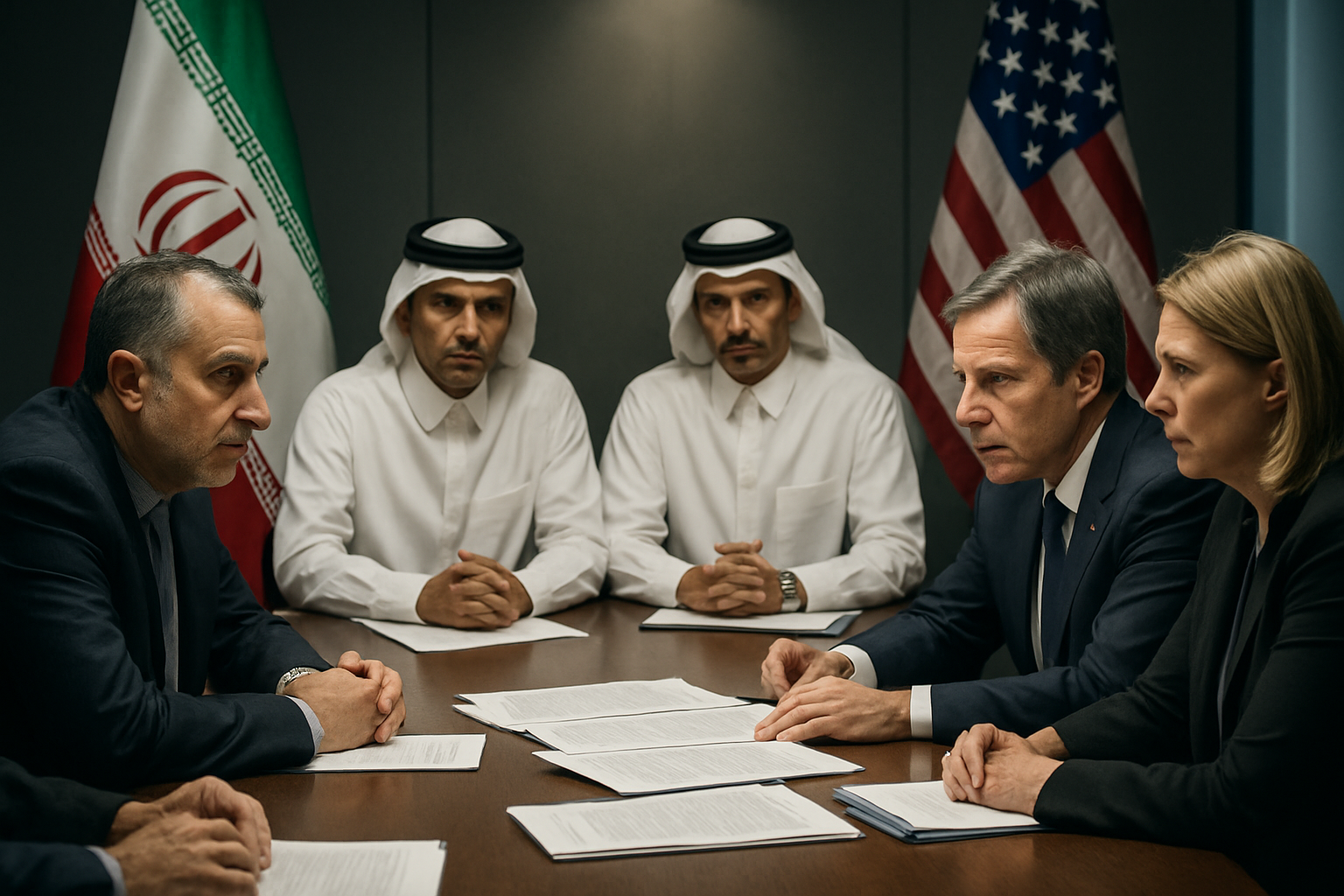
A diplomatic dispute erupted Saturday as senior Iranian sources claimed the United States had agreed to release billions of dollars in frozen Iranian assets held in Qatar and other foreign banks, only to have American officials categorically deny any such agreement during critical peace talks in Islamabad.
The conflicting claims emerged as Vice President JD Vance leads the highest-level US delegation to Pakistan for the most direct diplomatic engagement with Iran in decades, following Pakistan's unprecedented mediation success that prevented a catastrophic regional war just days earlier.
Iranian Claims and Swift US Denial
A senior Iranian source told Reuters on Saturday that the United States had agreed to release frozen Iranian assets as part of ongoing negotiations, welcoming the purported move as a sign of "seriousness" in reaching a deal through Pakistan's mediation framework. The source said the asset release was "directly linked to ensuring safe passage through the Strait of Hormuz," a critical waterway that handles 40% of global oil transit.
According to the Iranian sources, the agreement was one of Iran's key demands "in messages conveyed to the U.S. side," with Tehran claiming to have received American confirmation to proceed with the asset release. A second Iranian source specified that the United States had agreed to release $6 billion of frozen Iranian funds held by Qatar.
However, a senior US official speaking to CBS News swiftly rejected these claims, stating that the United States has not agreed to unfreeze any Iranian assets. The official's denial came within hours of the Iranian reports, highlighting the sensitive nature of the ongoing negotiations and the potential for miscommunication during high-stakes diplomacy.
Context of Historic Peace Talks
The dispute over frozen assets occurs against the backdrop of the "Islamabad Accord," a historic diplomatic breakthrough achieved by Pakistani Prime Minister Shehbaz Sharif and Field Marshal Asim Munir just 88 minutes before President Trump's ultimate deadline that could have triggered a broader regional war. The ceasefire framework led to an immediate 20% crash in oil prices from $119.50 to below $100 per barrel and explosive rallies in global markets.
The Pakistani mediation represents the most significant middle-power diplomatic success in decades, with China's Foreign Minister Wang Yi offering "full support" and Germany noting "positive signs" for continued diplomatic momentum. The talks are addressing Iran's comprehensive 10-point proposal covering Hormuz protocols, sanctions relief, regional conflicts, and security guarantees – the most detailed US-Iran framework since the 2015 nuclear deal.
Historical Precedent and Stakes
Iranian frozen assets have been a persistent source of tension in US-Iran relations for decades, stemming from various sanctions regimes imposed following the 1979 Islamic Revolution and subsequent disputes over Iran's nuclear program and regional activities. The assets, totaling tens of billions of dollars, are held in financial institutions across multiple countries due to US banking and energy sanctions.
The current negotiations take place amid ongoing fundamental disagreements that have plagued US-Iran diplomacy for over a decade. Iran maintains that its ballistic missiles and regional proxy relationships are "red lines" excluded from nuclear-only talks, while the US insists on a comprehensive agreement addressing missiles, armed groups, and human rights violations.
Nuclear Diplomacy Context
The asset freeze dispute emerges from the complete collapse of Geneva nuclear talks in February, despite achieving "broad agreement on guiding principles" – the most progress since the Joint Comprehensive Plan of Action (JCPOA) breakdown in 2018. Iran continues uranium enrichment at 60% purity, approaching the 90% weapons-grade threshold, with intelligence suggesting sufficient material for multiple weapons if weaponized.
The nuclear context adds urgency to current negotiations, as the New START treaty expired in February 2026, marking the first time in over 50 years without US-Russia nuclear constraints. UN Secretary-General António Guterres has warned that nuclear risks are at their "highest in decades," describing the current crisis as "the greatest test of multilateral cooperation in the modern era."
Regional Coalition Dynamics
The asset freeze claims threaten to complicate the unprecedented regional coalition supporting diplomatic solutions. Saudi Arabia, UAE, Qatar, and Egypt have maintained extraordinary consensus backing the peace process, even after Iranian attacks during the recent crisis killed civilians in the UAE and wounded dozens in Kuwait and Qatar.
Qatar's role as a mediator and holder of some frozen Iranian assets adds complexity to the current dispute. The Gulf state has been crucial in previous prisoner exchanges and diplomatic initiatives between Washington and Tehran, making accurate information about asset agreements essential for maintaining regional trust.
Critical Lebanon Complication
The asset freeze dispute coincides with a dangerous loophole in the current ceasefire framework. Israeli Prime Minister Benjamin Netanyahu explicitly excluded Lebanon from the ceasefire agreement, leading to continued bombardments that killed over 250 people in a single day – the deadliest since the broader conflict began. Iran has threatened to withdraw from the Islamabad talks unless comprehensive enforcement is applied across all fronts.
This Lebanon crisis demonstrates the fragile nature of the current diplomatic achievement and the potential for misunderstandings or conflicting interpretations to derail the broader peace process.
Economic and Strategic Implications
The resolution of frozen assets would provide significant economic relief to Iran, which faces severe sanctions pressure and has endured over 42,000 arrests since 2022 protests. However, any premature or miscommunicated agreements could undermine the carefully constructed negotiation framework that prevented regional catastrophe.
Iran has implemented an innovative cryptocurrency payment system requiring $1 per barrel for oil tankers navigating the Strait of Hormuz, representing a dramatic shift in maritime commerce to circumvent traditional financial systems. The first ships have successfully navigated under this system, though shipping companies remain reluctant to commit fully until lasting agreements are secured.
Template for 21st Century Diplomacy
The confusion over Iranian asset releases highlights the challenges of conducting complex diplomacy in the modern era, where statements can be immediately transmitted globally and misinterpretations can escalate rapidly. Pakistan's "message relay system" has proven crucial in preventing such miscommunications from derailing the overall peace process.
The success or failure of the current Islamabad talks will establish precedents for 21st-century conflict resolution, particularly regarding the role of middle powers in mediating between major adversaries when traditional great power mechanisms fail.
Looking Ahead
As the two-week critical window established by the Islamabad Accord continues, accurate communication and clear agreements on specific issues like asset releases will be essential for maintaining momentum. The stakes extend far beyond bilateral US-Iran relations, affecting global energy security, nuclear governance credibility, and the future of diplomatic versus military solutions to international crises.
The conflicting claims over frozen assets serve as a reminder that even amid historic diplomatic breakthroughs, the path to lasting peace remains fraught with potential misunderstandings that could return the region to the brink of the most dangerous international crisis since the Cold War.