In a dramatic twist to the unprecedented asylum crisis involving Iran's women's national football team, one of the seven players granted protection in Australia has changed her mind and returned to Iran after revealing the location of her teammates' safe house to the Iranian embassy.
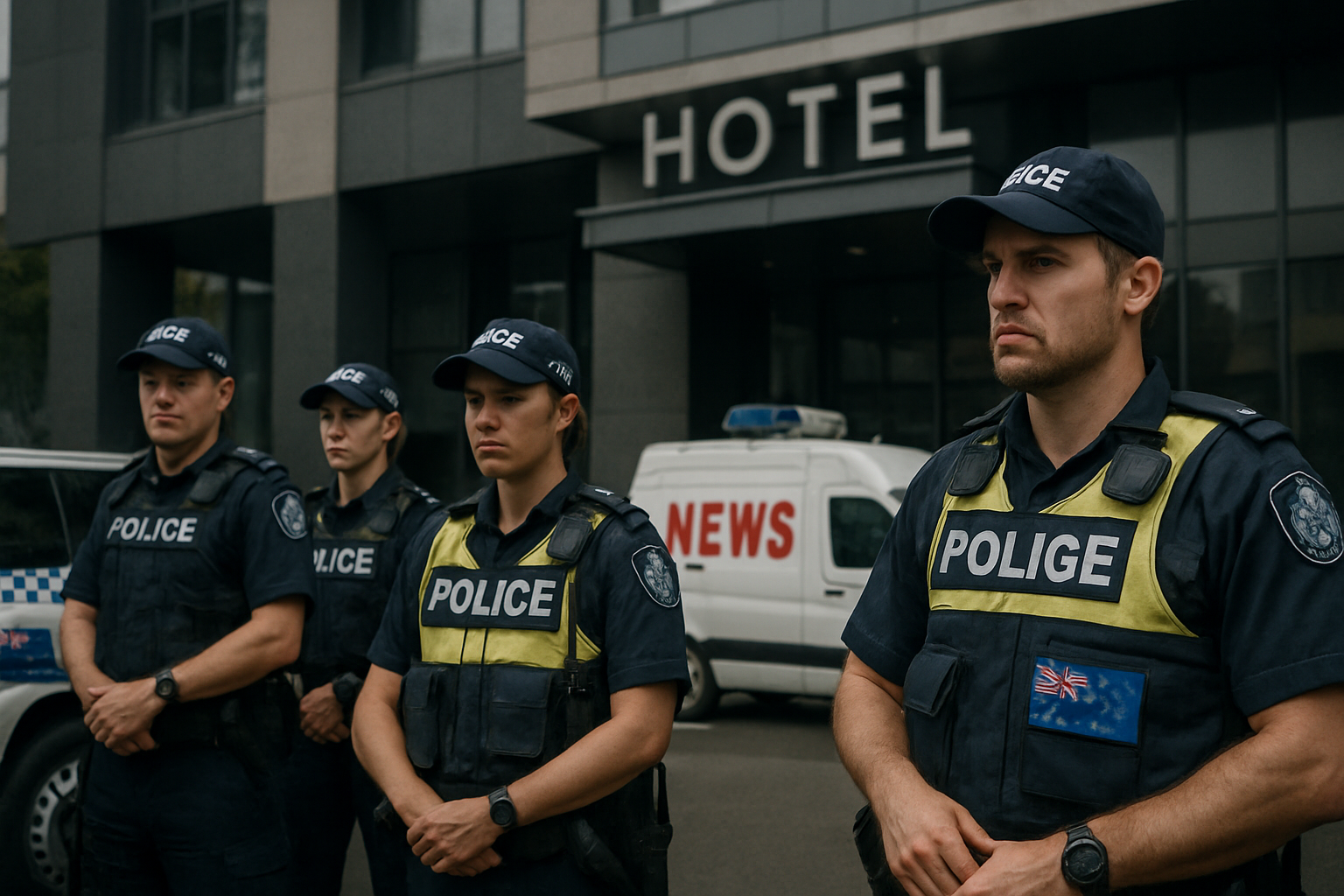
Home Affairs Minister Tony Burke confirmed Wednesday that the unnamed player contacted Iranian embassy officials directly from her Brisbane hotel while under police protection, requesting to be collected and returned to Iran. Her decision has forced Australian authorities to relocate the remaining six players to different secure locations for their safety.
Crisis Origins and Development
The asylum crisis began during the AFC Women's Asian Cup on Australia's Gold Coast, where Iranian players were labeled "wartime traitors" by Iranian state television for refusing to sing the national anthem during matches. The symbolic protest, amid Iran's ongoing crackdown on women's rights, created immediate danger for the athletes upon their potential return to Iran.
Initially, five players escaped their handlers at a Gold Coast hotel on March 9, with Australian Federal Police coordinating a 1:30 AM extraction operation from the Royal Pines resort. Two additional team members later sought asylum, bringing the total to seven players before one reversed her decision.
The crisis escalated beyond sports into international diplomacy when U.S. President Donald Trump personally contacted Australian Prime Minister Anthony Albanese, warning Australia would be "making a terrible humanitarian mistake" if players were "forced back to Iran, where they will most likely be killed."
Player's Change of Heart
According to Minister Burke's parliamentary statement, the player who changed her mind had spoken with teammates who had left Australia and subsequently decided to return to Iran. The voluntary nature of her decision underscores the complex psychological and cultural pressures facing athletes caught between personal safety and family or cultural ties.
"[They] had spoken to some of the teammates that had left and had changed her mind," Burke told parliament. The woman contacted officials at the Iranian embassy, who collected her from the Brisbane hotel where she was staying under police protection.
Her revelation of the safe house location to Iranian authorities forced a rapid security response, with the remaining six players immediately moved to different secure locations across Australia.
International Intervention and Support
The crisis has drawn unprecedented international attention and support from Australia's sporting community. Brisbane Roar and other A-League clubs opened their doors to the Iranian players remaining in protection, offering training facilities, professional support, and career continuation opportunities.
This represents significant solidarity from the Australian football community, providing not just safety but practical pathways for the athletes to continue their careers. The template demonstrates how sporting communities can respond to athlete asylum crises with both humanitarian support and professional opportunities.
Al Jazeera reports indicate some members of the Iranian women's team have arrived in Malaysia after the Australian asylum grants, though specific details about which players were involved remain unclear, indicating the complex logistics and ongoing movements as the crisis continues to evolve.
Broader Context: Iran's Crisis Period
The football team's plight occurs during Iran's most dangerous period since the Cold War. Supreme Leader Ali Khamenei was killed on March 1 during Operation Epic Fury, leading to massive regional conflicts and instability. Over 42,000 people have been arrested since the 2022 women's rights protests, with Nobel laureate Narges Mohammadi remaining imprisoned.
The team found themselves in an impossible position – representing a country whose policies endanger their lives for peaceful symbolic protests. Iranian state TV's labeling of the team as "wartime traitors" created immediate physical danger requiring international protective intervention.
Template-Setting Precedent
The Iranian women's football asylum case has established important precedents for protecting athletes facing persecution for symbolic protests on global sporting platforms. Australian authorities indicated willingness to assist other threatened Iranian athletes, suggesting a broader pattern may be emerging.
The case highlights critical gaps in FIFA and AFC protection mechanisms for athletes facing persecution, generating calls for stronger international sporting body responses to systematic athlete persecution. Home Affairs Minister Burke emphasized the players "want to be clear they are not political activists. They are athletes who want to be safe."
However, the reversal also demonstrates the complex human factors in athlete asylum situations. While successful international protection frameworks can provide safety, individual decisions involve psychological, cultural, and family considerations beyond immediate physical security.
Ongoing Developments
Minister Burke's revelation that two additional asylum seekers have emerged indicates the crisis extends beyond the original players, with potentially nine team members now involved in total. The situation remains fluid, with players continuing to make individual decisions about safety versus return to Iran.
The remaining team members who declined asylum departed Sydney airport amid security concerns, with some telling journalists that "Iran is home" despite the controversy surrounding their return.
For those remaining under Australian protection, the government has confirmed they have potential pathways to permanent residency and freedom to continue their athletic careers without persecution. The successful international coordination has established a framework for protecting athletes who engage in peaceful symbolic protests while highlighting the ongoing challenges of systematic persecution.
International Implications
The case occurs amid growing criticism of FIFA and AFC regarding inadequate protection mechanisms for athletes facing persecution for symbolic protests. The Australian response demonstrates the international community's capacity to coordinate protective responses when athletes face systematic persecution, particularly women and symbolic protesters.
Questions remain about protection for other Iranian athletes and activists facing similar threats. The template established by this case may encourage broader patterns of athlete migration from the Islamic Republic, while also highlighting the need for stronger international sporting governance regarding athlete protection versus political persecution.
As the crisis continues to evolve, it represents a critical intersection of athletics and human rights in the 21st century, demonstrating both the capacity for international solidarity and the complex individual decision-making processes that define modern athlete asylum situations.