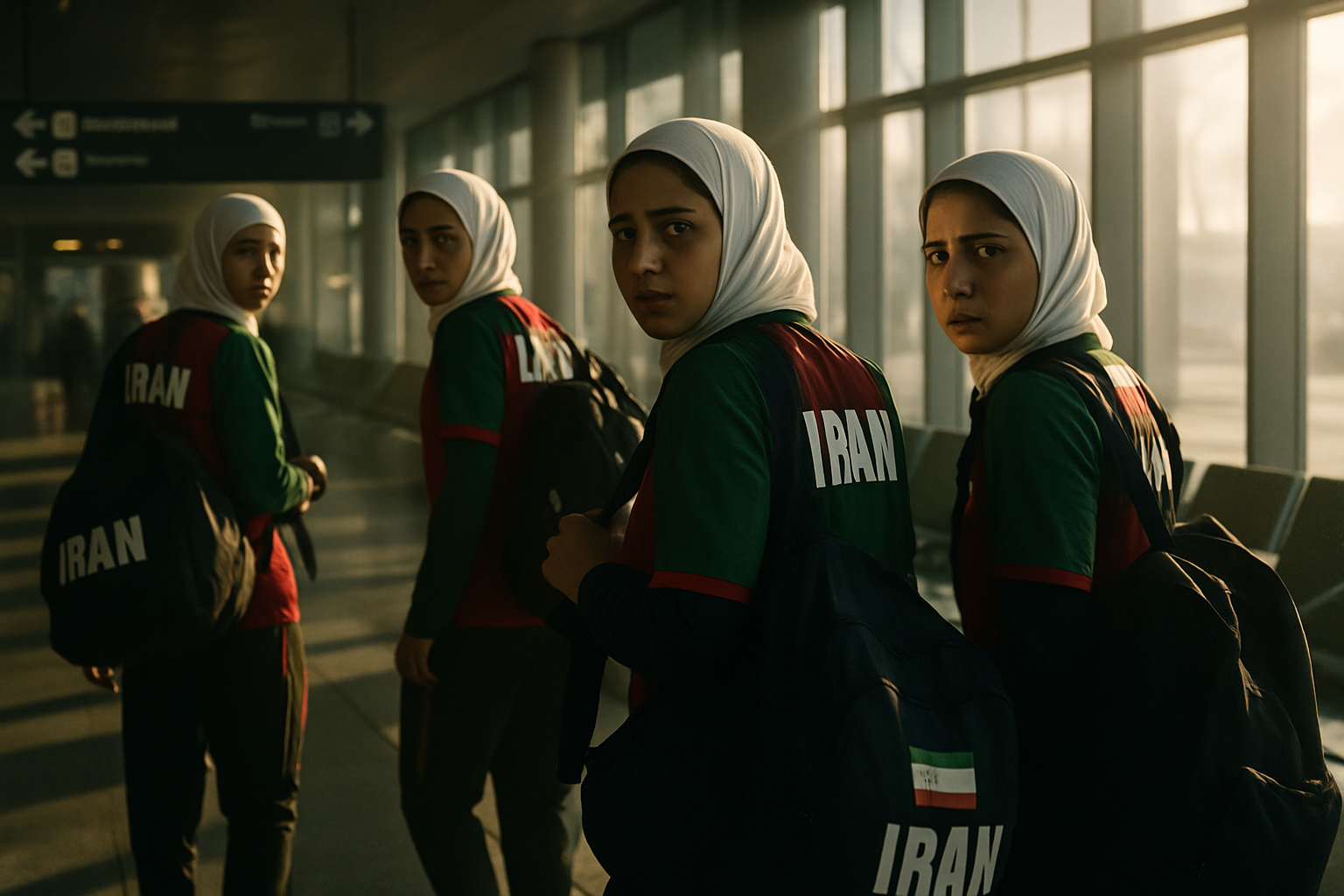
One of seven Iranian women's football team members granted asylum in Australia has changed her mind and decided to return to Iran, according to Home Affairs Minister Tony Burke, adding another dramatic twist to an unprecedented international sports asylum crisis.
The player, whose identity has not been disclosed for security reasons, contacted the Iranian embassy directly from her Brisbane hotel room under police protection, requesting to be collected and repatriated. Iranian embassy officials subsequently retrieved the woman, while the remaining six players were moved to a different secure location as a precautionary measure.
This development comes just days after Burke confirmed that seven members of Iran's women's national football delegation had been granted humanitarian protection visas following their dramatic escape from handlers during the AFC Women's Asian Cup on the Gold Coast.
A Complex Decision Under Pressure
Speaking to media on March 11, Minister Burke emphasized that the woman's decision was made voluntarily, though he acknowledged the complex pressures facing all the Iranian players. "Two more team members have sought asylum since our initial announcement," Burke revealed, indicating the fluid and ongoing nature of the crisis.
The situation highlights the extraordinary psychological pressure faced by athletes caught between representing their country and ensuring their personal safety. The Iranian women's team had been labeled "wartime traitors" by Iranian state television for their silent protest during the national anthem at AFC matches, creating what human rights observers described as "immediate physical danger."
Australian Football Community Responds
As the asylum situation continues to evolve, Australian A-League clubs have stepped forward to offer concrete support to the Iranian players who remain under protection. Brisbane Roar has opened its doors to the athletes, providing training facilities, professional support, and what club officials describe as a new "home" for the displaced footballers.
The gesture represents a significant show of solidarity from Australia's professional football community, offering the players not just safety but the opportunity to continue their athletic careers in a supportive environment. Other A-League clubs are reportedly following Brisbane Roar's example, demonstrating the broad-based support within Australian football for the asylum seekers.
Geopolitical Context and International Implications
The asylum crisis occurs against the backdrop of Iran's most dangerous political period since the Cold War. Supreme Leader Khamenei's death in March 2026 during Operation Epic Fury, combined with ongoing regional conflicts and systematic persecution of women's rights activists, has created an environment where athletes face unprecedented risks for symbolic protests.
The Iranian women's team found themselves in an impossible position - representing a nation whose policies they could not publicly support without endangering their personal safety. Their silent stance during the national anthem, intended as a peaceful form of protest, triggered a harsh state media response that made their return to Iran potentially life-threatening.
"These are athletes who want to be clear they are not political activists. They are athletes who want to be safe."
— Tony Burke, Australian Home Affairs Minister
Unprecedented Presidential Intervention
The case gained international prominence when U.S. President Donald Trump personally contacted Australian Prime Minister Anthony Albanese, warning that Australia would be "making a terrible humanitarian mistake" if the players were "forced back to Iran, where they will most likely be killed." Trump indicated the United States would accept the athletes if Australia declined to provide protection.
This unprecedented presidential intervention in a sports asylum case underscored the international significance of the situation and helped galvanize support for the Australian government's decision to grant humanitarian visas.
Malaysian Transit and Ongoing Movements
According to reports from Al Jazeera, members of the Iranian women's football team arrived in Malaysia after the Australian asylum grants, though details about which players were involved remain unclear. The Malaysian transit appears to be part of the complex logistics surrounding the team's dispersal following the asylum crisis.
The movements highlight the ongoing uncertainty facing Iranian athletes and the complex diplomatic and logistical challenges involved in managing such cases during periods of intense international scrutiny.
Template-Setting Precedent
The Iranian women's football team case has established important precedents for how international sporting bodies and governments respond to athletes facing persecution for peaceful symbolic protests. The successful coordination between Australian authorities, international pressure from allies, and public support demonstrated the capacity for protective responses when athletes' lives are genuinely at risk.
However, the reversal of one player's decision also illustrates the complex psychological and cultural factors that influence such choices. Family pressure, cultural ties, and uncertainty about life in a new country can all play roles in asylum seekers' decision-making processes.
FIFA and International Sports Governance
The crisis has intensified calls for stronger protection mechanisms within international sports governance. FIFA and the Asian Football Confederation have faced criticism for inadequate frameworks to protect athletes who face persecution for peaceful expression during international competitions.
Sports governance experts argue that the Iranian case demonstrates the need for enhanced athlete protection protocols that can provide both immediate safety and long-term career support for athletes who risk persecution for their conscience-driven actions.
Future Implications for Iranian Athletes
The Australian government has indicated its willingness to assist other threatened Iranian athletes who may face similar situations. This policy position could encourage other Iranian sports figures to seek international protection, potentially creating a broader pattern of athlete migration from the Islamic Republic.
The case also raises questions about Iran's future participation in international sporting competitions, particularly given the Iranian Football Federation's threats of boycotting major tournaments in response to what officials characterized as players being "taken hostage" in Australia.
A Continuing Story
As the situation continues to develop, the Iranian women's football asylum case serves as a powerful reminder of the intersection between sports and politics in the modern world. The players who chose to remain in Australia now face the challenge of rebuilding their lives and careers in a new country, while those who returned to Iran face an uncertain future.
The involvement of Australian A-League clubs in providing practical support demonstrates how the sporting community can play a constructive role in such crises, offering not just sanctuary but genuine opportunities for athletes to continue pursuing their passion in safety.
This unprecedented case will likely influence how future athlete asylum situations are handled, establishing both the possibilities for international protection and the complex human factors that shape individual decisions in such extraordinary circumstances.