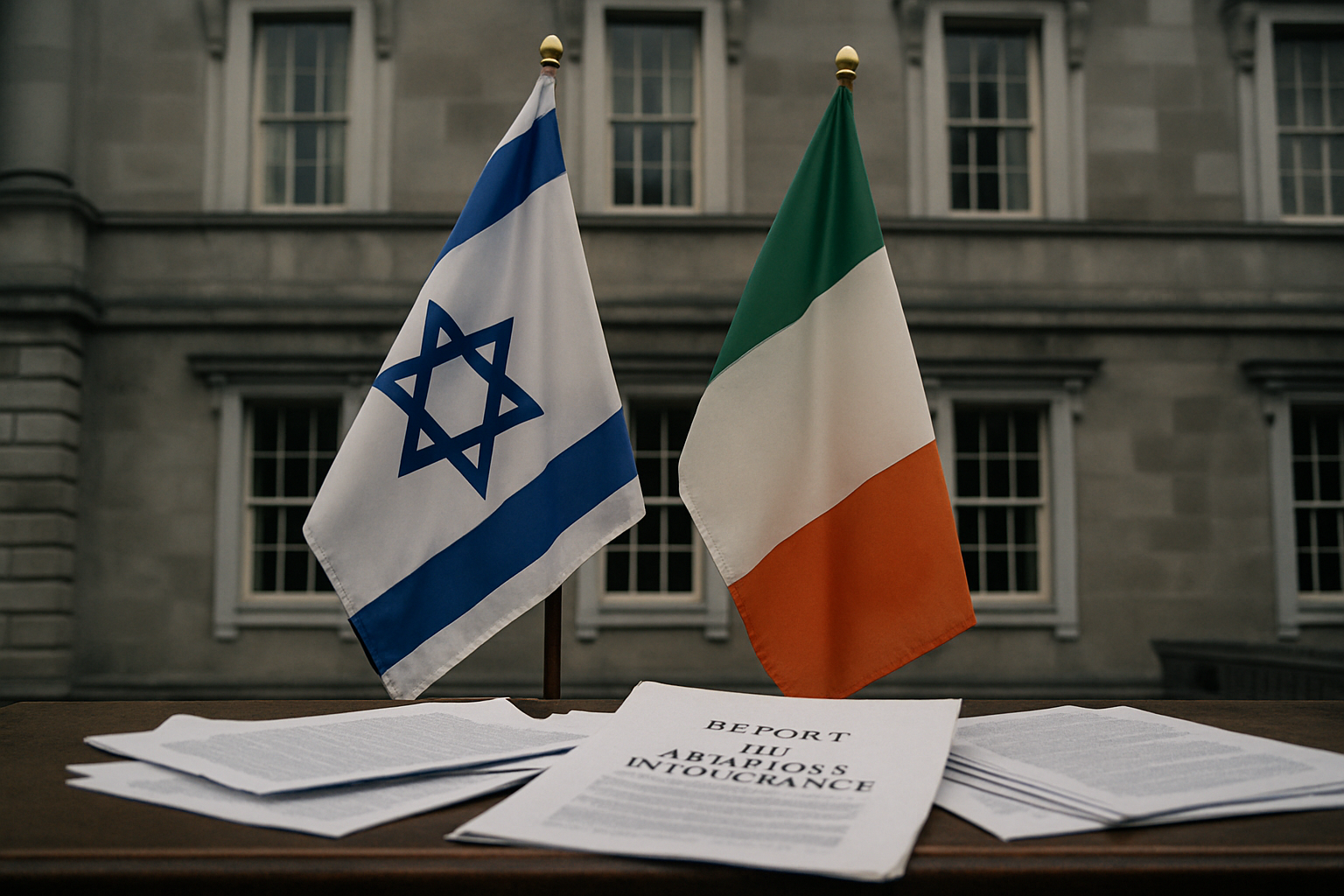
Ireland's Jewish Council has documented 143 anti-Semitic incidents over a six-month period, prompting the organization to express "deep concern" and call for the "rapid development of a dedicated national plan to counter growing antisemitism" in the country.
The alarming report, released March 2, 2026, represents one of the most comprehensive documentations of religious intolerance targeting Ireland's Jewish community in recent years. The findings highlight a disturbing pattern of incidents that have created an atmosphere of fear and uncertainty among Jewish residents across the Republic of Ireland.
Scale and Scope of Documented Incidents
The 143 incidents recorded by Ireland's Jewish Council span various forms of anti-Semitic behavior, from verbal harassment and online abuse to physical confrontations and vandalism of Jewish properties. The six-month timeframe covers the period from September 2025 to February 2026, a period that coincided with heightened tensions in the Middle East and increased polarization in Irish society.
According to sources familiar with the report, the incidents occurred across multiple counties, with significant concentrations in Dublin, Cork, and other urban centers where Jewish communities are more established. The documentation process involved meticulous recording of each incident, including dates, locations, nature of the offense, and impact on victims.
Context of Rising Global Antisemitism
Ireland's experience reflects a broader international pattern of rising antisemitism that has affected Jewish communities worldwide. The period documented by the Irish Jewish Council coincides with similar increases reported in other countries, including the devastating December 14, 2025, Bondi Beach Hanukkah festival attack in Australia that claimed 15 lives, and the February 21, 2026, Brisbane Synagogue ramming incident involving a 32-year-old perpetrator.
The global context includes systematic attacks on Jewish institutions and individuals across multiple jurisdictions. In the United States, the February 5, 2026, terrorism charges against Elias Rodriguez for the killing of two Israeli Embassy staffers highlighted the international scope of antisemitic violence. European nations have similarly experienced increased incidents targeting Jewish communities and institutions.
"The pattern we're seeing in Ireland is unfortunately consistent with a troubling global trend of rising antisemitism that requires immediate and coordinated action."
— Source familiar with the Jewish Council report
Government Response and Policy Implications
The Irish Jewish Council's call for a "rapid development of dedicated national plan" represents a significant escalation in advocacy efforts. The organization's "deep concern" reflects not only the volume of incidents but also their severity and the apparent inadequacy of existing response mechanisms.
The request for a national action plan suggests the Jewish Council believes current hate crime legislation and enforcement procedures are insufficient to address the scale and complexity of antisemitic incidents affecting the community. Such a plan would likely include enhanced law enforcement training, improved reporting mechanisms, community protection measures, and educational initiatives.
Irish Context and Historical Considerations
Ireland's Jewish community, while relatively small compared to other European countries, has deep historical roots in Irish society. The community has faced various challenges throughout Irish history, but the current surge in documented incidents represents a concerning departure from Ireland's generally tolerant social fabric.
The timing of these incidents during a period of broader social tensions related to international conflicts, immigration debates, and economic pressures reflects the complex factors contributing to religious intolerance. The Irish government has previously committed to combating all forms of discrimination and hate crimes, but the Jewish Council's report suggests these efforts require significant enhancement.
Community Impact and Response
The 143 documented incidents have created a climate of apprehension within Ireland's Jewish community. Reports suggest increased security concerns at synagogues, Jewish schools, and community centers. Some community members have altered their daily routines, avoiding the display of religious symbols in public or changing travel patterns to minimize exposure to potential harassment.
The psychological impact extends beyond immediate victims to affect families, particularly children who may experience increased anxiety about their religious identity and safety. Community leaders have emphasized the importance of maintaining Jewish cultural and religious practices while ensuring adequate protection for all community members.
International Comparisons and Best Practices
The Irish Jewish Council's call for a national action plan aligns with approaches taken by other European countries facing similar challenges. France, Germany, and the United Kingdom have implemented comprehensive strategies combining law enforcement enhancement, community protection measures, and educational initiatives to combat antisemitism.
Successful programs typically include specialized police units trained in hate crime investigation, improved liaison with Jewish communities, enhanced security at Jewish institutions, and educational curricula addressing historical and contemporary antisemitism. The effectiveness of such approaches depends on sustained political commitment and adequate resource allocation.
Legislative and Enforcement Considerations
The documented incidents raise questions about Ireland's current legal framework for addressing hate crimes and religious intolerance. While Irish law prohibits discrimination and incitement to hatred, the Jewish Council's report suggests enforcement mechanisms may require strengthening to provide adequate protection and justice for victims.
Potential legislative enhancements could include expanded definitions of hate crimes, increased penalties for antisemitic offenses, improved victim support services, and mandatory hate crime training for law enforcement personnel. The effectiveness of any legislative changes would depend on proper implementation and consistent enforcement across all jurisdictions.
Educational and Social Response
Beyond law enforcement measures, addressing the root causes of antisemitism requires comprehensive educational initiatives and social engagement. This includes Holocaust education, interfaith dialogue, media literacy to combat online hate speech, and community outreach programs that promote understanding and tolerance.
Educational institutions, religious organizations, and civil society groups all play crucial roles in creating an environment where antisemitism and all forms of religious intolerance are rejected. The success of such efforts depends on collaboration across sectors and sustained commitment to promoting inclusive Irish society.
Looking Forward: Implementation Challenges
The development of a national action plan to counter antisemitism faces several implementation challenges. These include resource allocation in a constrained fiscal environment, coordination across multiple government departments and agencies, balance between security measures and civil liberties, and measurement of program effectiveness.
Success will require sustained political leadership, adequate funding, community engagement, and regular monitoring and evaluation of implemented measures. The Jewish Council's documentation of 143 incidents provides a baseline for measuring progress, but ongoing data collection and analysis will be essential for adaptive management of anti-antisemitism initiatives.
The Irish government's response to this report will be closely watched by both domestic and international observers as a test of Ireland's commitment to protecting all religious communities and maintaining its reputation as a tolerant, inclusive society. The 143 documented incidents represent not just statistics, but human experiences that demand comprehensive and sustained action to ensure the safety and dignity of Ireland's Jewish community.