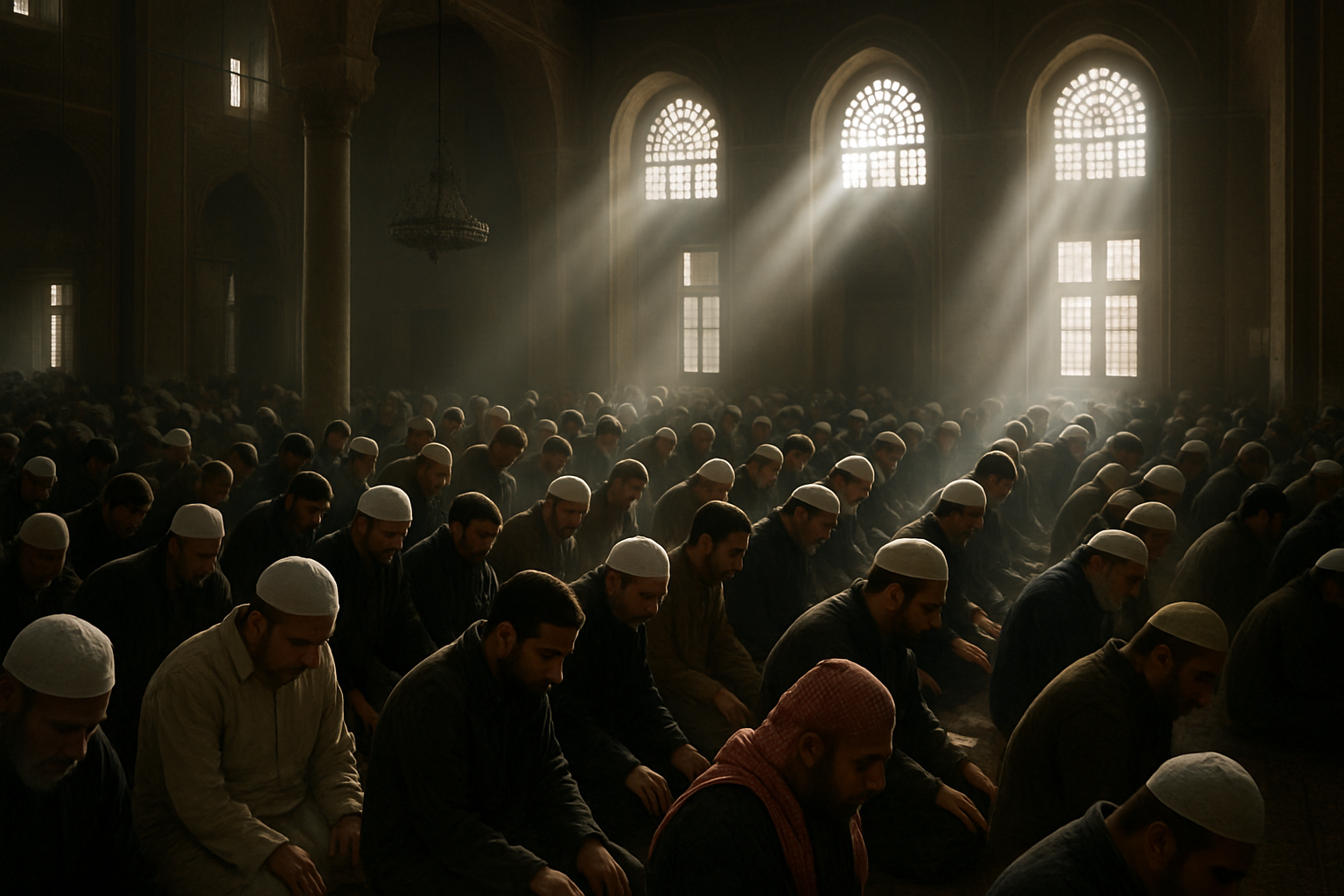
The Islamic State has claimed responsibility for a devastating suicide bombing at a Shia mosque in Islamabad that killed at least 31 people and wounded 169 others during Friday prayers, marking the deadliest terrorist attack in Pakistan's capital in 18 years.
The explosion occurred at the Khadija Tul Kubra mosque (also known as Imambargah Khadijah-tul-Kubra) in the Tarlai Kalan area of southeastern Islamabad on February 6, 2026, as hundreds of worshippers gathered for their weekly congregational prayers. The powerful blast rocked the heavily fortified capital, demonstrating a significant breach of security in one of Pakistan's most protected cities.
Attack Details and Response
According to Pakistan's Defence Minister Khawaja Asif, the mosque's security guards attempted to intercept the suicide bomber at the entrance. When challenged, the attacker opened fire on the guards before detonating his explosive device among worshippers in what officials described as the "last row" of the prayer hall.
Over 400 worshippers were present at the time of the attack, with the bomber specifically targeting the Shia Muslim community during their most vulnerable moment of worship. Emergency services quickly mobilized, with victims transported to Pakistan Institute of Medical Sciences (PIMS) and Polyclinic hospitals across the capital.
"The bomber was stopped at the mosque entrance by security guards but detonated among worshippers. There were bodies everywhere,"
— Defence Minister Khawaja Asif
Prime Minister Shehbaz Sharif immediately condemned the attack and directed Health Minister to personally oversee treatment of the wounded. An emergency was declared across Islamabad, with authorities implementing heightened security protocols throughout the capital region.
ISIS Claims Responsibility
The Islamic State terrorist organization claimed responsibility for the attack through its propaganda channels, marking a concerning escalation in sectarian violence targeting Pakistan's Shia minority, who comprise approximately 15-20% of the country's population.
This represents the first major ISIS-claimed attack in Islamabad in recent years, highlighting the group's continued operational capability despite extensive counter-terrorism efforts. The attack follows a pattern of ISIS targeting Shia religious sites across the region as part of their sectarian agenda.
Political Tensions and Accusations
The bombing has sparked intense political controversy, with Pakistani officials making serious allegations about foreign involvement. Defence Minister Asif suggested the bomber may have been an Afghan national and alleged connections between India and Afghanistan in facilitating the attack.
However, these claims have been firmly rejected by both accused parties. Afghanistan's Taliban government, through officials, condemned the attack and dismissed Pakistani allegations as "premature and unsupported by evidence." India's Ministry of External Affairs similarly rejected the accusations as "baseless and pointless."
"It is unfortunate that, instead of seriously addressing the problems plaguing its social fabric, Pakistan should choose to delude itself by blaming others for its home-grown ills,"
— India's Ministry of External Affairs
Regional Security Context
The Islamabad attack occurs against a backdrop of significant security challenges across Pakistan. In recent weeks, the country has conducted major counter-terrorism operations in Balochistan province, killing over 400 militants in February 2026 following coordinated attacks by the Baloch Liberation Army (BLA).
The bombing represents a rare security breach in Islamabad, which is typically heavily guarded and considered one of Pakistan's safest cities. The last comparable attack in the capital occurred in November 2025, when 12 people were killed, while the most recent major mosque attack was in Peshawar in January 2023, claiming over 100 lives.
Sectarian Violence Against Shia Muslims
The targeting of Shia worshippers highlights Pakistan's ongoing struggle with sectarian violence. Shia Muslims, while constituting a significant minority in Pakistan, have frequently been targeted by extremist Sunni groups and international terrorist organizations like ISIS, which views Shia Islam as heretical.
The attack on the Khadija Tul Kubra mosque demonstrates the vulnerability of religious minorities in Pakistan, despite government assurances of protection for all citizens regardless of their sectarian affiliation.
Government Response and Mourning
Punjab Chief Minister Maryam Nawaz announced the cancellation of Basant (kite-flying) festivities and declared three days of mourning in response to the tragedy. The decision reflects the gravity with which Pakistani leadership is treating the attack.
Federal Minister Talal Chaudhry suggested during initial investigations that the bomber might have been of Afghan nationality, though this remains unconfirmed pending formal investigation results by the Islamabad Capital Territory Police.
International Condemnation
The attack has drawn widespread international condemnation. Kuwait's Ministry of Foreign Affairs expressed strong condemnation of the "terrorist bombing," reaffirming Kuwait's steadfast position rejecting all forms of violence, extremism, and terrorism, particularly attacks targeting places of worship.
Yemen's Foreign Ministry and Ansarullah Political Bureau also condemned the attack, with various international sources describing it as a criminal act aimed at destabilizing regional security and terrorizing innocent civilians.
Ongoing Investigation
Pakistani authorities have launched a comprehensive investigation into the bombing, with the Islamabad Capital Territory Police leading the inquiry. The investigation will focus on determining the bomber's identity, potential support networks, and how the attack was planned and executed despite the capital's extensive security measures.
The bombing raises serious questions about intelligence failures and security gaps that allowed such a devastating attack to occur in Pakistan's most protected city. Officials are reviewing security protocols for religious sites and considering enhanced protective measures for vulnerable communities.
Broader Implications
The Islamabad mosque bombing represents more than an isolated terrorist incident—it highlights Pakistan's complex security challenges amid regional instability. The attack occurs during a period when Pakistan is already dealing with separatist violence in Balochistan, tensions with neighboring countries, and the broader challenge of preventing terrorist infiltration from Afghanistan.
The ISIS claim of responsibility is particularly concerning as it suggests the group maintains operational capacity within Pakistan despite years of counter-terrorism operations. This may necessitate a reassessment of Pakistan's domestic security strategy and its approach to combating international terrorist organizations.
As Pakistan mourns the victims of this heinous attack, the incident serves as a stark reminder of the ongoing threats facing religious minorities and the persistent challenge of ensuring security in an increasingly complex regional environment. The government's response in the coming days will be crucial in preventing further sectarian violence and restoring confidence in the capital's security arrangements.