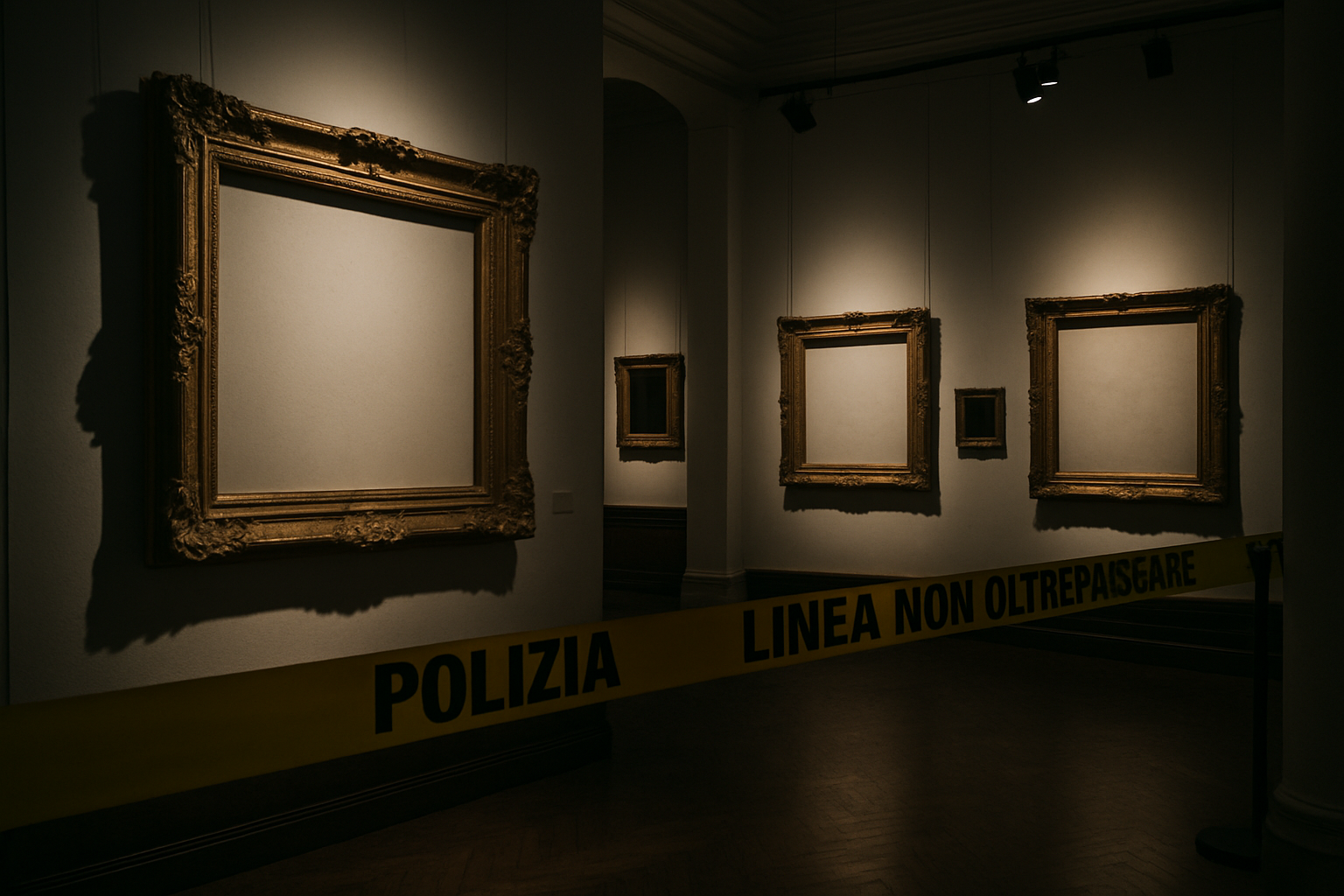
A sophisticated art heist has rocked Italy's cultural heritage community after thieves successfully stole multiple masterpieces, including works by renowned impressionist masters Pierre-Auguste Renoir, Paul Cézanne, and Henri Matisse, from the prestigious Fondazione Magnani Rocca in the Parma region.
The theft, which occurred in recent days at the gallery located in Mamiano di Traversetolo, has sent shockwaves through Italy's art world. Among the stolen works is Renoir's "Les Poissons" (The Fish), an oil on canvas painted around 1917 that represents one of the rare Renoir pieces in a permanent Italian collection.
The Stolen Masterpiece
According to sources from Repubblica.it and Il Sole 24 ORE, "Les Poissons" is valued at several million euros and holds particular significance as one of the few Renoir works permanently housed in Italy. The painting, created during the impressionist master's later period, exemplifies Renoir's distinctive style and represents an irreplaceable piece of cultural heritage.
The theft extends beyond the Renoir work, with additional pieces by Post-Impressionist Paul Cézanne and Fauvist pioneer Henri Matisse also reported missing from the collection. The exact details and titles of these additional stolen works have not yet been fully disclosed by authorities as the investigation continues.
The Fondazione Magnani Rocca
The Fondazione Magnani Rocca, located in the picturesque Parma countryside, houses one of Italy's most prestigious private art collections. The foundation, established to preserve and display important works of art, has become a cultural landmark in the Emilia-Romagna region, attracting art enthusiasts and scholars from around the world.
The gallery's collection includes significant works from various periods and movements, making it a target for sophisticated art thieves. The security breach that allowed the theft of such valuable works raises serious questions about the protection of Italy's cultural treasures housed in private foundations and smaller institutions.
Investigation Underway
Italian authorities, including the specialized Carabinieri unit for the protection of cultural heritage (Comando Carabinieri Tutela Patrimonio Culturale), have launched a comprehensive investigation into the theft. This elite unit, renowned for its expertise in recovering stolen artworks, has successfully retrieved numerous stolen cultural artifacts over the decades.
The timing and execution of the heist suggest the involvement of experienced art thieves who likely had detailed knowledge of the gallery's layout and security systems. Art theft investigators typically examine international networks of stolen art trafficking, as high-value pieces often move quickly across borders.
Impact on Italy's Cultural Heritage
This theft represents a significant loss to Italy's cultural patrimony and highlights the ongoing challenges faced by institutions housing valuable artworks. Italy, home to an estimated 60% of the world's art treasures, has long struggled with protecting its vast cultural heritage from theft, vandalism, and natural disasters.
The stolen works, particularly the Renoir piece, represent not just monetary value but irreplaceable cultural artifacts that connect contemporary audiences with the artistic innovations of the late 19th and early 20th centuries. The loss of "Les Poissons" is particularly significant given its rarity within Italian collections.
International Art Recovery Efforts
Art theft cases of this magnitude typically involve international cooperation between law enforcement agencies, art recovery specialists, and cultural institutions. Organizations such as INTERPOL maintain extensive databases of stolen artwork, and the Art Loss Register serves as a crucial resource for tracking missing pieces.
The recovery of stolen masterpieces can take years or even decades, with some works never surfacing again on the legitimate art market. However, Italy's specialized cultural heritage protection unit has maintained an impressive track record, successfully recovering thousands of stolen cultural objects since its establishment.
Security Concerns for Cultural Institutions
The Parma theft underscores the vulnerability of cultural institutions, particularly smaller galleries and foundations that may lack the extensive security infrastructure of major international museums. The incident will likely prompt a review of security protocols at similar institutions across Italy.
Experts in cultural heritage protection emphasize that effective security requires not only technological solutions but also well-trained staff, regular security assessments, and coordination with local law enforcement agencies. The protection of Italy's cultural treasures remains an ongoing challenge requiring sustained attention and resources.
The Road to Recovery
As the investigation continues, authorities are working to trace the movements of the stolen artworks and identify the perpetrators. The international art community has been alerted to watch for any attempts to sell or transfer the stolen pieces through legitimate or underground channels.
The theft serves as a stark reminder of the constant threats facing cultural heritage sites and the importance of robust security measures to protect artistic treasures for future generations. The hope remains that "Les Poissons" and the other stolen masterpieces will be recovered and returned to their rightful place in the Fondazione Magnani Rocca collection.
This incident joins a long history of art thefts in Italy, from the famous theft of the Mona Lisa in 1911 to more recent cases involving Renaissance masters and contemporary works. Each theft represents not just a financial loss but a wound to the collective cultural memory that these artworks represent.