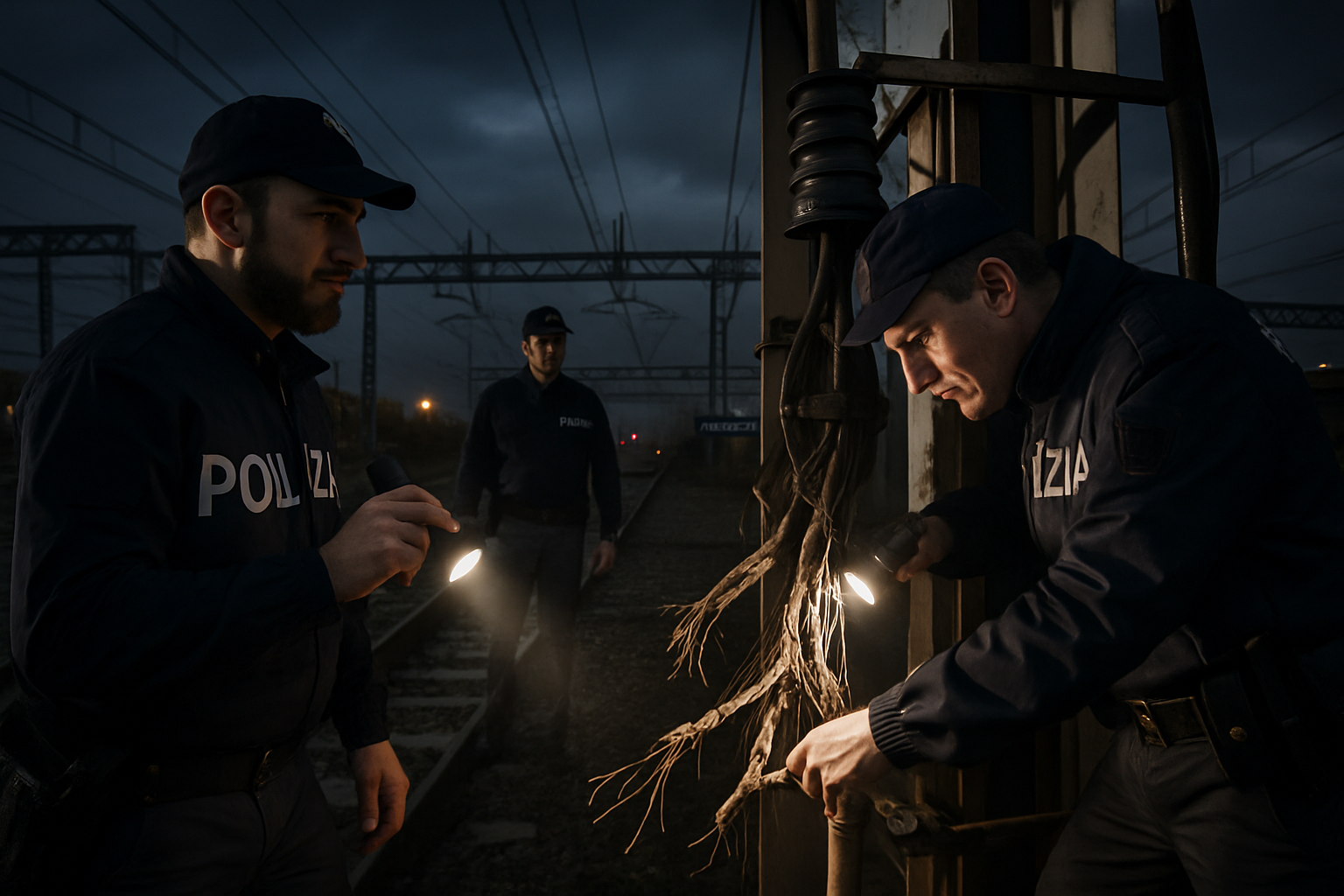
Italian authorities have launched a comprehensive investigation into suspected sabotage attacks on railway infrastructure near Bologna that caused widespread transportation disruptions during the opening weekend of the Milano-Cortina 2026 Winter Olympics.
The incidents, which occurred on Saturday February 7, 2026, involved damage to electrical cables and railway infrastructure in three separate locations around the northern Italian city of Bologna, according to multiple law enforcement sources. Transport Minister Matteo Salvini described the events as "serious incidents of sabotage" and suggested they could be linked to the high-profile opening of the Winter Olympic Games.
Timeline of the Sabotage Incidents
Italian police confirmed they are investigating three distinct episodes that caused significant damage to railway lines in the broader Bologna region. The sabotage specifically targeted electrical cable systems that power high-speed and intercity train services across northern Italy's critical transportation corridor.
The timing of the attacks proved particularly disruptive, coinciding with the first full day of Winter Olympic competition and massive passenger movements across Italy's railway network. Thousands of travelers were left stranded at Milan's central station and other major hubs as delays cascaded throughout the system.
According to the German news agency reports, technical causes have been ruled out for the infrastructure damage, with authorities treating the incidents as deliberate acts of sabotage. The coordinated nature of the attacks across multiple locations has raised concerns about organized targeting of Italy's transportation infrastructure.
Olympic Games Context and Security Implications
The sabotage incidents occurred during a critical period for Italy, as the Milano-Cortina 2026 Winter Olympics had just officially opened with a spectacular ceremony at San Siro stadium in Milan. The Games represent the most geographically dispersed Winter Olympics in history, spanning over 400 kilometers across northern Italy and requiring extensive coordination between seven different venues.
The attacks specifically targeted transportation infrastructure connecting major Olympic host cities, potentially affecting the movement of athletes, officials, and spectators between venues. The disruption highlighted the vulnerability of Italy's railway network, which serves as the primary transportation backbone for the Olympic Games.
"Someone wants to harm Italy," Transport Minister Matteo Salvini declared, emphasizing the serious nature of the coordinated attacks on critical infrastructure.
— Matteo Salvini, Italian Transport Minister
Security services had already been on high alert following pro-Russian cyberattacks on Olympic venues and Italian embassies in multiple countries just hours before the opening ceremony. Foreign Minister Antonio Tajani confirmed that those cyber threats had been successfully countered, but the physical sabotage represents a different category of security challenge.
Infrastructure Impact and Response
The sabotage caused severe disruptions to Italy's high-speed rail network, with delays affecting both domestic and international services. Images from Milan's train station showed crowds of stranded passengers waiting amid their luggage as authorities worked to assess and repair the damage.
Railway operators implemented emergency protocols to manage the crisis, but the coordinated nature of the attacks across three locations made rapid restoration challenging. The incidents exposed vulnerabilities in Italy's critical transportation infrastructure during a period of international scrutiny.
According to Canadian news reports, the sabotage damaged electrical cables near Bologna that power much of northern Italy's railway network, creating a cascading effect on train services throughout the region. The strategic targeting of electrical infrastructure suggests sophisticated planning by the perpetrators.
International Implications and Investigation
The timing of the sabotage attacks during the Olympic Games has prompted international attention and cooperation in the investigation. The incidents occurred as high-profile international delegations, including U.S. Vice President J.D. Vance and Secretary of State Marco Rubio, were present in Italy for the Olympic opening ceremony.
European transportation security experts noted similarities to previous infrastructure attacks in other countries, raising questions about potential international coordination or copycat incidents. The sophisticated targeting of electrical systems suggests technical knowledge of railway infrastructure vulnerabilities.
Polish aviation authorities responded to regional security concerns by implementing additional precautionary measures, while other European nations increased surveillance of their own critical transportation infrastructure following the Italian incidents.
Historical Context of Infrastructure Attacks
The Bologna railway sabotage incidents occurred against a backdrop of increasing concerns about infrastructure security across Europe. Recent memory includes various attacks on transportation networks, highlighting the strategic importance of protecting critical systems during major international events.
Italy's railway network represents one of Europe's most important transportation arteries, connecting not only domestic cities but serving as a crucial link in international rail corridors. The Bologna hub specifically serves as a critical junction for north-south rail traffic across the Italian peninsula.
Security analysts note that targeting transportation infrastructure during high-profile events maximizes psychological impact while creating practical disruptions that affect thousands of civilians. The Olympic Games context amplified international attention on the incidents.
Ongoing Investigation and Security Measures
Italian authorities have mobilized significant investigative resources to identify the perpetrators of the coordinated sabotage attacks. The investigation involves multiple law enforcement agencies and international cooperation given the Olympic Games context.
Enhanced security measures have been implemented across Italy's railway network, with increased surveillance and protection for critical infrastructure nodes. The incidents have prompted a comprehensive review of transportation security protocols during the remainder of the Olympic Games.
As the investigation continues, authorities are examining potential motives ranging from domestic terrorism to international interference aimed at disrupting Italy's hosting of the prestigious Winter Olympics. The sophisticated coordination required for the attacks suggests careful planning and possible inside knowledge of railway infrastructure systems.
The sabotage incidents serve as a stark reminder of the vulnerabilities inherent in modern transportation networks and the ongoing challenges of protecting critical infrastructure during major international events. Italian authorities have vowed to pursue the investigation vigorously while ensuring the successful continuation of the Milano-Cortina 2026 Winter Olympics.