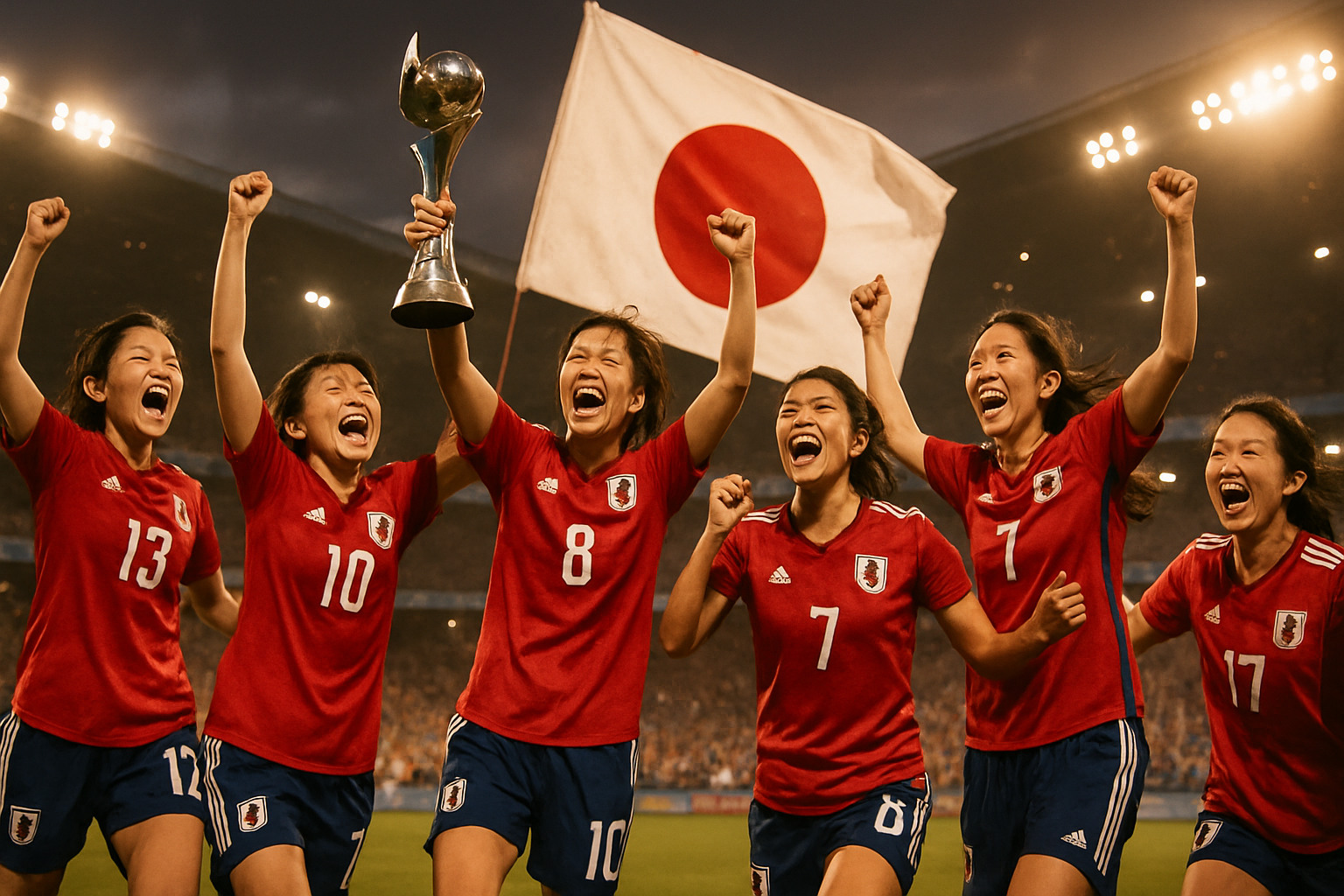
Japan secured their third AFC Women's Asian Cup title in four editions with a narrow 1-0 victory over tournament hosts Australia, with Tottenham star Maika Hamano scoring the decisive goal in front of a record-breaking 74,357 fans at Stadium Australia in Sydney.
The triumph marks another chapter in Japan's remarkable continental dominance, as the Nadeshiko successfully defended their status as Asia's premier women's football nation despite facing fierce resistance from an Australian side desperate to claim their first continental silverware since 2010.
Hamano's Moment of Magic Decides Final
The match's defining moment came through a moment of individual brilliance from Maika Hamano, whose clinical finish proved the difference between two evenly matched sides. The Tottenham forward's goal was described as a "miracle strike" by Australian media, showcasing the technical excellence that has made Japan one of the world's most respected women's football teams.
Australia, buoyed by passionate home support and riding the wave of their semifinal victory over defending champions China, created several promising opportunities but were unable to find the equalizer that would have sent the match to extra time. A final chance went begging in the dying moments, leaving the golden generation of Australian women's football to rue what might have been.
"This was a formidable Japan team that battled past us," reflected one Australian official post-match.
— Australian team official
Record-Breaking Attendance Highlights Tournament Success
The match was played in front of an unprecedented crowd of 74,357 fans, setting a new attendance record for women's football in Australia and demonstrating the growing popularity of the sport across the region. The atmosphere at Stadium Australia was electric, with the vast majority of spectators supporting the home nation in their quest for continental glory.
This tournament has represented the culmination of systematic development under coach Joe Montemurro, with the Matildas showing tactical maturity, mental resilience, and collective strength throughout the competition. Their journey to the final included a memorable 2-1 semifinal victory over China at Perth Stadium, where Sam Kerr scored what was described as a goal of "geometric genius."
Australia's Long Wait Continues
The defeat extends Australia's continental silverware drought to 16 years, with their last AFC Women's Asian Cup triumph coming in 2010. Despite carrying the hopes of a nation and enjoying unprecedented home support, the Matildas were unable to overcome a Japanese side that demonstrated why they remain the benchmark in Asian women's football.
The loss was particularly heartbreaking given the team's impressive path to the final. The Matildas had earlier defeated Iran 4-0 in the group stage, demonstrating the tactical approach described as "playing with freedom while maintaining discipline" under Montemurro's guidance.
Key players Hayley Raso and Steph Catley were notably absent from the squad for this final, creating tactical challenges that the team had successfully navigated throughout the tournament but may have proven decisive in the narrow defeat.
Japan's Continental Dominance Continues
This victory reinforces Japan's position as the dominant force in Asian women's football, claiming three titles in the last four AFC Women's Asian Cup editions. Their success is built on technical excellence, tactical discipline, and a deep understanding of the game that has made them consistently competitive at both continental and global levels.
The Japanese team's approach throughout the tournament has been characterized by their ability to control matches through possession and create decisive moments when required. Hamano's winning goal exemplified this approach, with the team maintaining composure under intense pressure from both the opposition and a hostile crowd environment.
Technical Excellence on Display
Japan's victory was achieved through the kind of tactical sophistication that has become their trademark. The team demonstrated superior technical skills and game management, particularly in the crucial moments when Australia was pressing for an equalizer.
The win continues Japan's remarkable record in major tournaments, building on their legacy as former FIFA Women's World Cup champions and consistent performers on the international stage.
Tournament Reflects Growing Strength of Women's Football
The 2026 AFC Women's Asian Cup has been notable not just for the quality of play but also for the unprecedented level of interest and attendance figures across Australia. The tournament has been overshadowed at times by off-field controversies, including the asylum crisis involving Iranian women's football team members who sought protection in Australia after being labeled "wartime traitors" by Iranian state television.
However, the football itself has been of the highest standard, with teams across the continent demonstrating improved tactical understanding and technical ability. The presence of North Korea in the tournament, returning to major international competition, added another layer of intrigue to the competition.
Looking Forward: World Cup Implications
Both teams will now turn their attention to the 2027 FIFA Women's World Cup, where this result will provide valuable preparation and ranking points. Japan's victory maintains their status as one of the favorites for global success, while Australia will need to regroup and learn from this narrow defeat as they continue their development under Montemurro.
The match also carries implications for the ongoing growth of women's football in the region, with the record attendance and intense media interest demonstrating the sport's capacity to capture public imagination when provided with the right platform and support.
"The level of competition across Asia continues to rise, and tournaments like this show just how competitive women's football has become globally."
— Tournament official
As Japan celebrates their third continental title, and Australia reflects on what might have been, both nations can take pride in a tournament that has elevated the profile of women's football and provided a memorable spectacle for the record crowds who witnessed history at Stadium Australia.