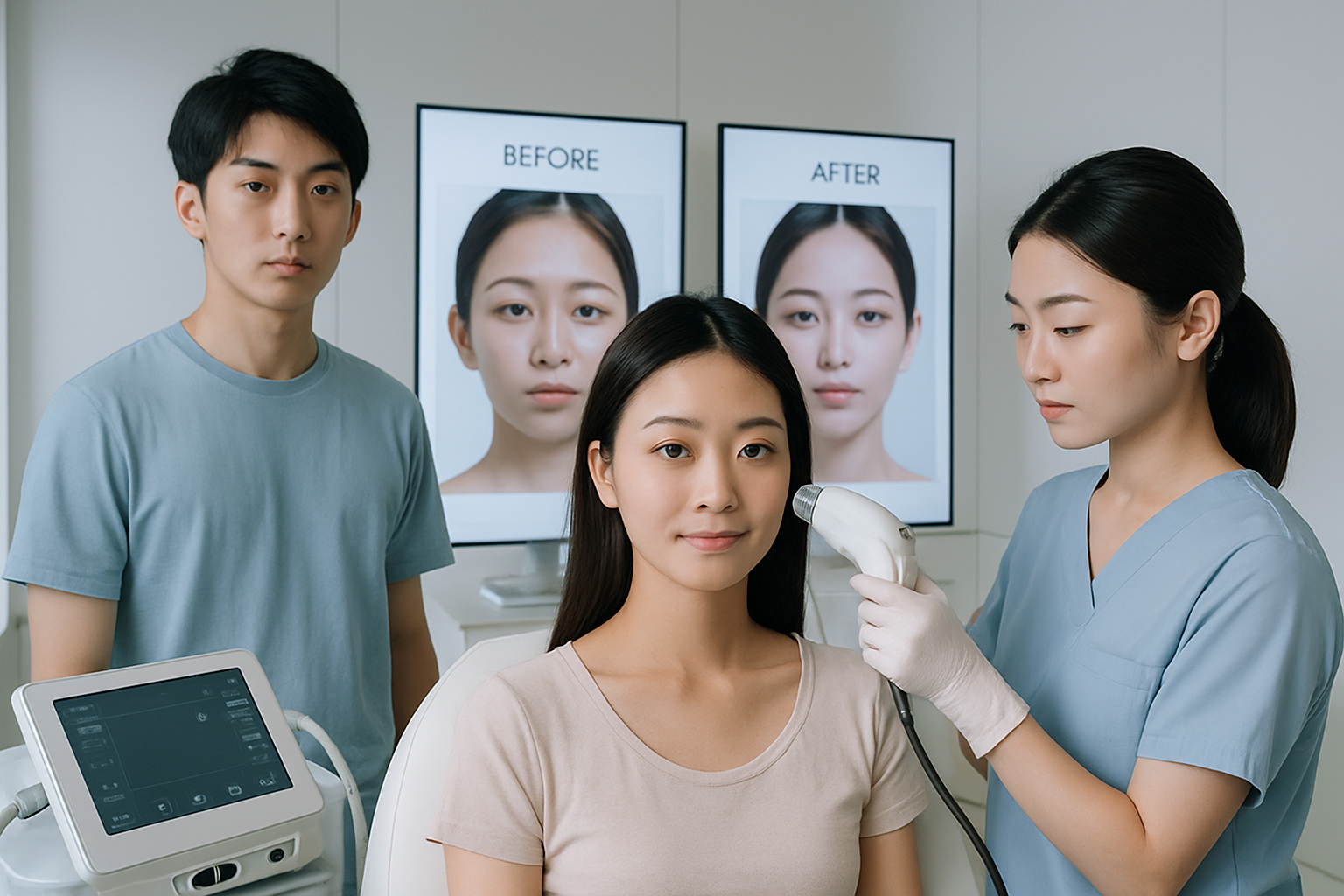
Young people in Japan are using artificial intelligence to create striking before-and-after cosmetic surgery photographs that show dramatically "different" versions of themselves in single settings, raising significant concerns among medical professionals and social observers about potential copycat behaviors and unrealistic beauty expectations.
According to the Japan Society of Aesthetic Plastic Surgery, the country logged approximately 3.3 million aesthetic medical procedures in 2022, reflecting a society that has grown increasingly comfortable with cosmetic interventions. However, the latest trend involving AI-generated transformation photos represents a concerning evolution in how young Japanese people engage with beauty enhancement culture.
The AI Photo Phenomenon
This emerging trend allows users to create sophisticated visual narratives that appear to document authentic surgical transformations, even when no actual procedures have been performed. The AI-generated images are so convincing that they can be mistaken for genuine before-and-after documentation, creating a new category of beauty content that blurs the line between reality and digital manipulation.
The technology enables young people to experiment with different facial features, body proportions, and aesthetic ideals without undergoing actual surgery, but experts warn that these realistic simulations may be driving increased interest in actual cosmetic procedures among impressionable viewers.
Cultural Context and Acceptance
Japan has demonstrated relatively high acceptance of aesthetic procedures compared to many other developed nations. The country's beauty culture emphasizes perfection and refinement, creating an environment where cosmetic enhancement is often viewed as self-improvement rather than vanity. This cultural backdrop provides fertile ground for the proliferation of AI-enhanced beauty content.
The phenomenon reflects broader technological adoption patterns in Japan, where cutting-edge digital tools are quickly integrated into social and personal practices. Young Japanese users are particularly adept at leveraging new technologies for creative expression, making them early adopters of AI beauty applications.
Expert Concerns and Health Implications
Medical professionals and psychologists have expressed growing alarm about the potential psychological and social impacts of this trend. The hyper-realistic nature of AI-generated transformation images may create unrealistic expectations about surgical outcomes and recovery processes.
"These AI-generated images can create a false sense of what's achievable through cosmetic surgery, potentially leading young people to pursue procedures with unrealistic expectations."
— Dr. Akiko Tanaka, Aesthetic Surgery Specialist
The concern extends beyond individual decision-making to broader social implications. When AI-generated content proliferates across social media platforms, it can contribute to beauty standard escalation, where increasingly dramatic transformations become normalized and expected.
The Copycat Effect
Perhaps most concerning to experts is the potential for copycat behaviors among young viewers. The realistic nature of AI-generated before-and-after photos may inspire others to pursue similar aesthetic changes, creating a cycle where artificial transformations drive real surgical demand.
This phenomenon is particularly pronounced among Japan's youth, who are heavy consumers of social media content and often influenced by peer trends. The seamless integration of AI technology with beauty culture creates new pathways for social influence and peer pressure around cosmetic enhancement.
Technological Sophistication
The AI tools being used for these transformations have reached unprecedented levels of sophistication, making it increasingly difficult to distinguish between authentic surgical documentation and digitally generated content. This technological advancement has outpaced regulatory frameworks and social media platform policies designed to identify and label manipulated content.
The accessibility of these tools means that virtually anyone with a smartphone can create convincing transformation narratives, democratizing the creation of beauty content while simultaneously making it more difficult to verify authenticity.
Social Media Amplification
Social media platforms have become the primary distribution channel for AI-enhanced cosmetic surgery content, with young users sharing their digital transformations across various networks. The viral nature of compelling visual content means that particularly striking AI-generated images can reach massive audiences quickly.
Platform algorithms, designed to promote engaging content, may inadvertently amplify these AI-generated transformation photos, increasing their reach and potential influence on viewers who may not recognize them as artificial creations.
Industry Response and Regulation
The Japanese medical aesthetic industry is grappling with how to address this new phenomenon. Some practitioners worry that AI-generated content may undermine trust in legitimate medical documentation, while others see potential benefits in helping patients visualize possible outcomes.
Currently, there are limited regulatory frameworks specifically addressing AI-generated cosmetic surgery content in Japan. This regulatory gap has allowed the trend to flourish while raising questions about consumer protection and medical ethics in the digital age.
International Implications
Japan's experience with AI-enhanced cosmetic surgery photography may serve as a bellwether for similar trends emerging in other technologically advanced societies. As AI tools become more accessible globally, other countries may face similar challenges in managing the intersection of artificial intelligence, social media, and beauty culture.
The phenomenon highlights broader questions about authenticity, consent, and responsibility in an era where the line between reality and digital manipulation continues to blur.
Future Outlook and Recommendations
Addressing this trend will require coordinated efforts from multiple stakeholders, including technology companies, medical professionals, educators, and policymakers. Potential solutions include improved AI detection tools, enhanced media literacy education, and clearer disclosure requirements for digitally manipulated content.
Medical professionals emphasize the importance of realistic expectations and thorough consultation processes for anyone considering actual cosmetic procedures, regardless of what they may have seen in AI-generated content.
As Japan continues to navigate this evolving landscape, the country's approach to managing AI-enhanced beauty content may provide valuable lessons for other nations facing similar technological and social challenges in the digital age.