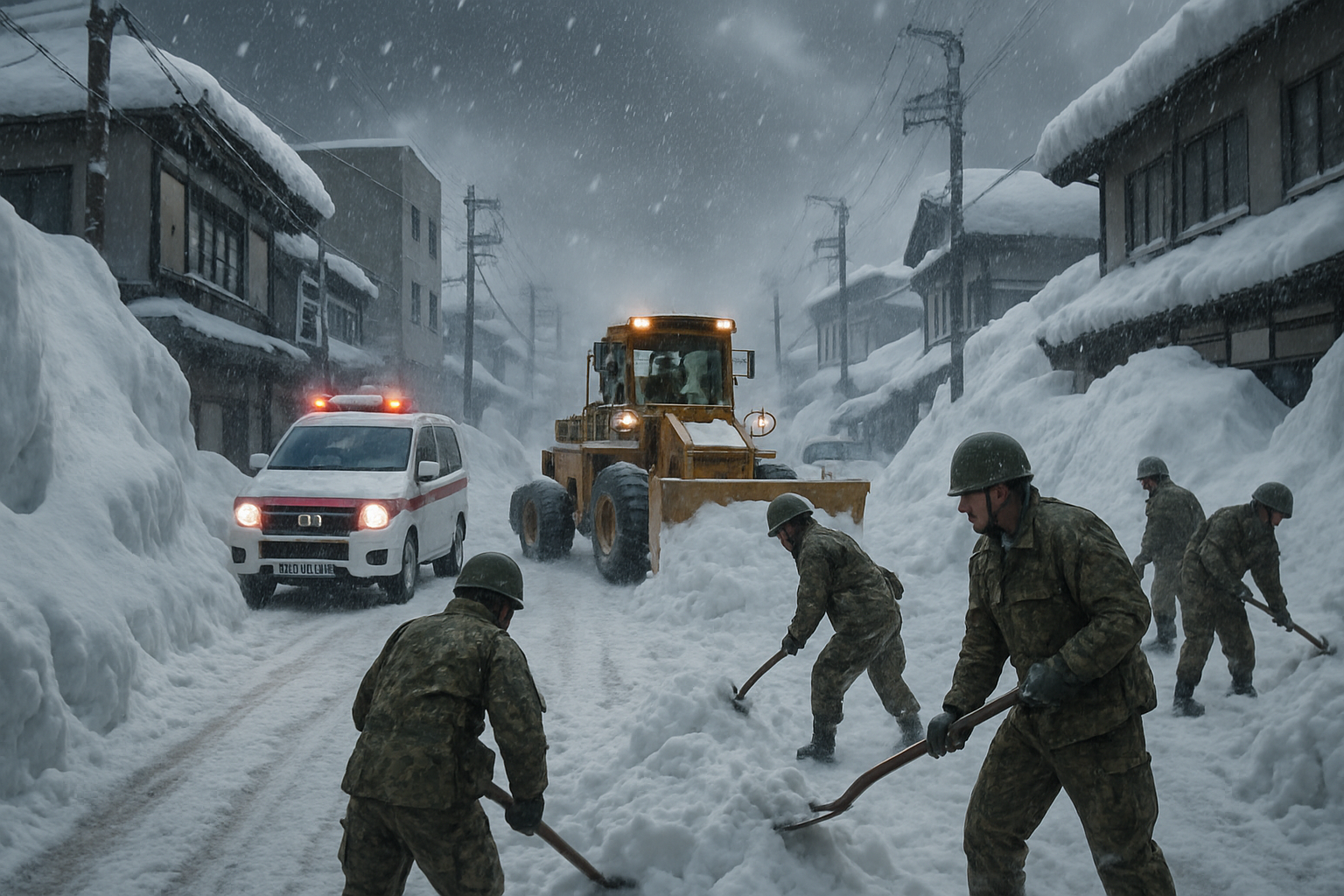
Japan's devastating winter storm crisis has claimed at least 30 lives over the past two weeks, as unprecedented snowfall along the Sea of Japan coast creates life-threatening conditions and prompts emergency military deployment to assist overwhelmed local authorities.
The highest death toll has been recorded in Niigata Prefecture with 12 fatalities, followed by six deaths in Akita Prefecture and four in Aomori Prefecture, according to official disaster management agency figures released Tuesday. More than 100 people have suffered serious snow-related injuries nationwide since January 20, highlighting the severity of this year's winter weather crisis.
Tragic Individual Cases Highlight Vulnerability
Among the victims was 91-year-old Kina Jin, found buried beneath a three-meter pile of snow outside her home in Ajigasawa, Aomori Prefecture. Authorities determined that snow from her rooftop likely fell on her, causing suffocation. An aluminum shovel was discovered nearby, suggesting she had been attempting to clear the dangerous accumulation when the tragedy occurred.
The incident underscores the particular vulnerability of Japan's aging population to extreme weather events, as elderly residents struggle to cope with the physical demands of snow removal and face increased risks from roof avalanches and other snow-related hazards.
Military Forces Deployed in Unprecedented Response
The Japanese government has deployed Self-Defense Forces personnel to battle record-breaking snowfalls that have paralyzed northern and western cities. Troops were specifically assigned to Aomori city, where snow accumulation reached nearly 2 meters (7 feet) – the highest level seen in four decades and a depth not witnessed since 1945.
In Sapporo, Hokkaido's largest city, approximately 1,000 snow plows began the massive task of clearing 3,800 kilometers (2,300 miles) of roads, according to Nippon TV reports. The scale of the operation reflects the extraordinary nature of this winter's snowfall, which has overwhelmed normal municipal snow removal capabilities.
"The scale of this year's snowfall temporarily exceeded our normal capacity for response,"
— Local Disaster Management Official
Government Emergency Response
Prime Minister Sanae Takaichi convened an emergency cabinet meeting on Tuesday, instructing ministers to "do everything possible to protect lives" as the crisis continues to unfold. The high-level government response demonstrates the severity with which authorities are treating the ongoing weather emergency.
The timing of these extreme conditions poses additional challenges, as Japan prepares for general elections scheduled for Sunday – the first midwinter election in 36 years. Officials express concern that the bitter weather conditions could significantly impact voter turnout and election logistics.
Infrastructure Strain and Transportation Disruption
The unprecedented snowfall has created widespread infrastructure disruptions across affected regions. Power outages have left thousands without heating during the coldest period of the year, while transportation networks have faced severe delays and closures.
Japan regularly receives some of the world's highest snowfall totals, making it a premier destination for winter sports. However, this year's conditions have far exceeded normal parameters, testing the limits of the nation's typically robust snow management systems.
Part of Global Winter Weather Crisis
The deadly Japanese snowstorms occur within the context of a broader Northern Hemisphere extreme weather pattern that has affected multiple continents. Recent weeks have seen devastating winter conditions across Europe and North America, with over 110 deaths reported in the United States from related weather events.
The international scope of these weather extremes suggests larger atmospheric patterns at play, with polar vortex disruptions and unusual storm tracking contributing to the severity of winter conditions across multiple regions.
Ongoing Threat and Preparedness Efforts
Weather authorities maintain emergency warnings with additional snowfall expected in the coming days. The crisis represents a major test of Japan's disaster preparedness systems, which are typically focused on earthquakes and tsunamis but must now address the unique challenges posed by extreme winter weather.
Community volunteer efforts have emerged to assist elderly residents, recognizing their particular vulnerability to snow-related hazards. Local officials are coordinating welfare checks and snow removal assistance for at-risk populations as the emergency continues.
As Japan battles this historic winter weather event, the death toll serves as a sobering reminder of nature's power and the ongoing vulnerability of even well-prepared societies to extreme weather conditions. The government's emergency response and military deployment underscore the unprecedented nature of this winter's challenges, as the nation works to protect lives while managing the massive logistical demands of record snowfall.