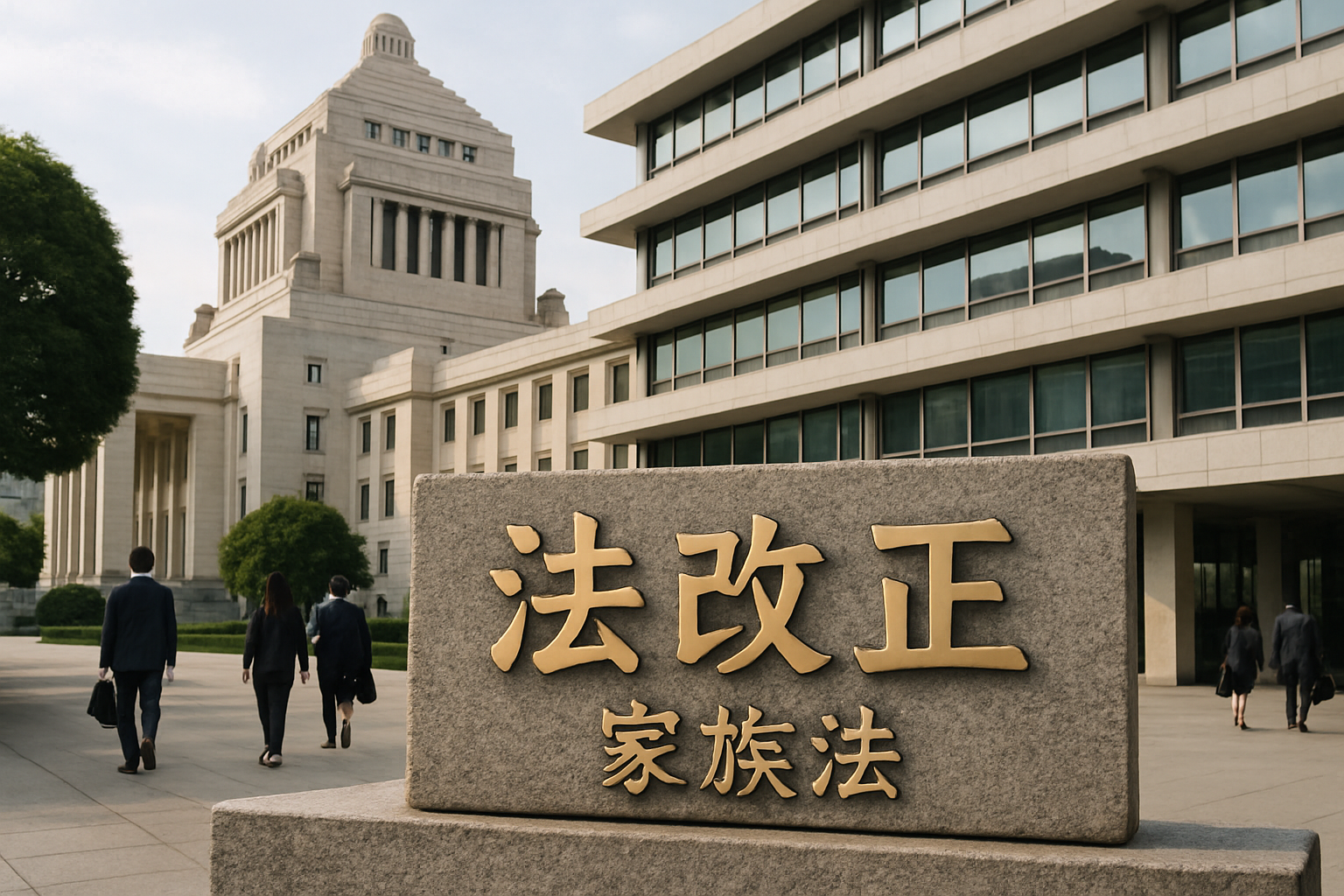
Japan has officially launched its groundbreaking joint custody system, ending the country's long-standing sole custody framework under which only one parent could retain parental rights following a divorce. This historic change, implemented in March 2026, represents the most significant transformation in Japanese family law since the post-war era.
The new system, which took effect this month, fundamentally alters how Japanese courts handle child custody arrangements in divorce proceedings. Previously, Japan was one of the few developed nations that operated under a strict sole custody model, where courts would award full parental rights to only one parent, typically the mother, while the other parent would lose all legal standing in their child's life.
A Historic Shift in Family Law
This transformation comes at a critical time for Japan, which faces unprecedented demographic challenges. The country recorded just 705,809 births in 2025—the lowest number since 1899 and the tenth consecutive year of decline. With 30% of the population now over 65, Japan has become the world's most aged society, making family stability and child welfare issues more crucial than ever.
The timing of this reform is particularly significant given Japan's broader social and economic context. The nation is experiencing severe labor shortages amid its demographic crisis, forcing a natural population decline of approximately 900,000 people annually. Against this backdrop, policies that strengthen family structures and protect children's relationships with both parents have become essential for social stability.
International Pressure and Domestic Advocacy
The implementation of joint custody follows years of international pressure and growing domestic advocacy. Japan had faced criticism from international partners, particularly regarding cases involving international marriages where Japanese courts' sole custody decisions effectively severed children's relationships with their foreign parents.
The previous system often resulted in situations where one parent would effectively disappear from their child's life entirely, a practice that child welfare experts increasingly recognized as harmful to children's emotional and psychological development. Research from around the world has consistently shown that children benefit from maintaining meaningful relationships with both parents when it is safe to do so.
Key Provisions of the New Framework
Under the new joint custody system, Japanese courts can now award shared parental rights and responsibilities to both parents following divorce. The reform includes several key provisions designed to protect children's interests while ensuring both parents can maintain meaningful relationships with their children.
The system establishes guidelines for joint decision-making on major issues affecting children, including education, healthcare, and residence. Courts are empowered to create customized custody arrangements that reflect the specific needs of each family situation, moving away from the rigid one-size-fits-all approach of the previous system.
Implementation Challenges and Safeguards
Recognizing the complexity of this transition, Japanese authorities have built in numerous safeguards to address concerns about potential abuse or conflict. The new framework includes provisions for supervised visitation when necessary and allows courts to modify arrangements if circumstances change or if one parent demonstrates behavior that could harm the child's welfare.
Family court personnel have undergone extensive training to handle the new joint custody cases, with emphasis on mediation and collaborative approaches to resolving disputes. The system also includes resources for parents to access counseling and support services to help them navigate co-parenting relationships effectively.
Broader Social and Economic Context
The custody reform occurs within Japan's complex social transformation under Prime Minister Sanae Takaichi's leadership, which secured an electoral mandate in February 2026. The government is simultaneously addressing multiple challenges, including workplace reform efforts that have successfully reduced Japanese working hours below those of Americans, Canadians, and Italians through anti-karoshi (death from overwork) campaigns.
These workplace improvements complement the family law reforms by creating environments where both parents can more realistically participate in child-rearing responsibilities. The nation is also adapting to economic pressures, including gasoline tax abolition to provide consumer relief amid inflation concerns, and strategic shifts in manufacturing supply chains, with major automotive companies like Toyota and Suzuki increasingly adopting Chinese-made chips.
Regional and International Implications
Japan's move to joint custody aligns with international trends and places the country more in line with family law practices in other developed nations. The reform is part of broader regional developments, including the US-EU-Japan Critical Minerals Partnership involving 55 countries to address supply chain dependencies and enhance economic cooperation.
The timing also reflects Japan's need to strengthen its social fabric amid regional tensions and great power competition. As the nation navigates complex international relationships, including energy security concerns from global conflicts affecting oil prices, stable family structures become increasingly important for social cohesion and national resilience.
Child Welfare Experts Welcome Change
Child welfare advocates both within Japan and internationally have welcomed the reform as a long-overdue recognition of children's rights to maintain relationships with both parents. The change brings Japan into alignment with international best practices in family law and child welfare.
The reform also addresses growing concerns about demographic sustainability. With fertility rates declining and social pressures on family formation increasing, policies that strengthen rather than fragment family relationships become crucial for long-term social stability.
Looking Forward
The successful implementation of Japan's joint custody system will likely be closely watched by other nations considering similar reforms. The Japanese approach, which emphasizes gradual implementation with extensive support systems and safeguards, could serve as a model for other countries seeking to modernize their family law frameworks.
As Japan continues to navigate the challenges of an aging society and changing family dynamics, the joint custody reform represents a significant step toward creating legal frameworks that better serve children's interests while recognizing the evolving nature of family relationships in the 21st century.
This historic change marks not just a legal transformation but a cultural shift toward recognizing that children's welfare is best served when both parents can remain meaningfully involved in their lives, even after divorce. For a nation facing demographic challenges, every step that strengthens family bonds and protects children's well-being becomes essential for building a sustainable future.