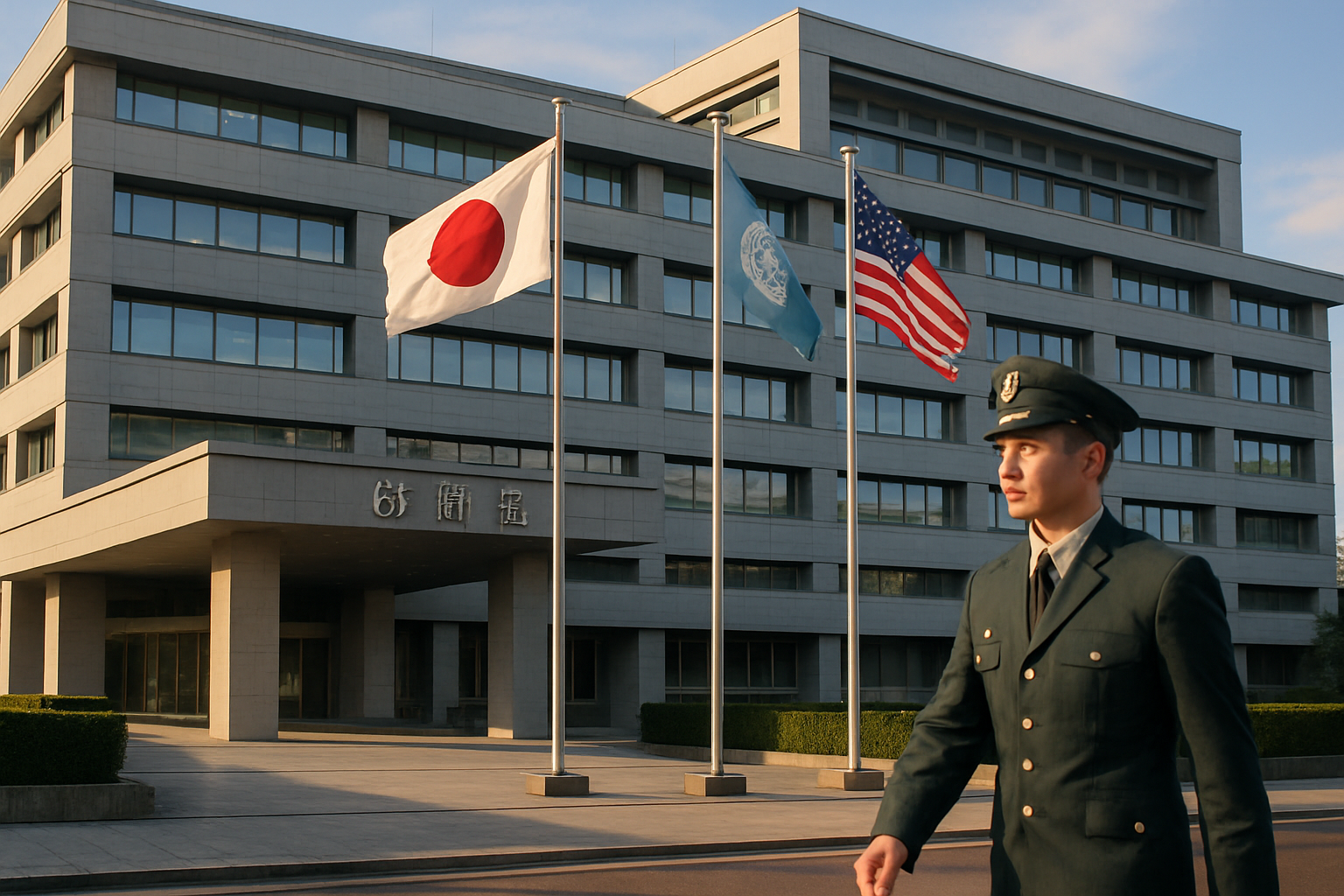
Japan's government has approved a historic policy shift allowing the export of lethal weapons for the first time in decades, abandoning key principles of its postwar pacifist stance as regional security tensions continue to escalate across Asia.
The Liberal Democratic Party's policy committee approved the defense equipment export liberalization proposal on Tuesday, with Chief Cabinet Secretary Minoru Kihara confirming the amendments include previously prohibited "lethal weapons" in what represents the most significant departure from Japan's constitutional pacifism since World War II.
The decision comes as Prime Minister Sanae Takaichi leverages her unprecedented two-thirds parliamentary supermajority achieved in February's historic election victory. With 316 of 465 lower house seats, her government now possesses the legislative authority to implement sweeping constitutional and defense policy reforms that would have been impossible under previous coalition arrangements.
Breaking with Seven Decades of Pacifist Tradition
Japan's post-war pacifist constitution, particularly Article 9 which renounces war as a sovereign right, has guided the nation's defense policies since 1947. The country's arms export restrictions, first implemented in 1967 and strengthened over subsequent decades, prohibited the sale of weapons to combat zones and potential conflict areas worldwide.
The new policy framework will enable Japan to export advanced military equipment including next-generation fighter jets, combat drones, and sophisticated defense systems to allied nations. This represents a complete reversal of the country's historical approach to international arms trade and military cooperation.
"Japan faces the most severe and complex security environment since World War II, requiring enhanced defense capabilities and strengthened partnerships with allied nations."
— Chief Cabinet Secretary Minoru Kihara
The timing coincides with China's 23% increase in military activity around Taiwan throughout 2025, creating an urgency for Japan to bolster its defensive capabilities and strengthen security partnerships across the Indo-Pacific region.
Opposition Condemns "Power Majority" Tactics
Opposition parties have launched fierce criticism of the government's use of its unprecedented parliamentary dominance to push through the controversial legislation. Critics argue that such fundamental constitutional and defense policy changes require broader democratic deliberation regardless of the ruling party's mathematical advantages.
The opposition has characterized the LDP's approach as "power majority" governance that threatens the principles of fiscal and democratic accountability. However, Takaichi's government maintains that the current security environment demands decisive action that previous coalition governments would have been unable to implement.
The constitutional reform potential enabled by the two-thirds supermajority opens possibilities for modifications to Article 9's pacifist provisions for the first time since the constitution's adoption in 1947.
Regional Security Context Drives Policy Shift
The arms export liberalization occurs amid heightened tensions across multiple fronts in Asia. Intelligence assessments indicate Chinese military activity around Taiwan has increased dramatically, while North Korea continues advancing its nuclear weapons program with unprecedented female succession planning under Kim Ju Ae.
Japan's strategic vulnerability became apparent during recent global crises, including the Middle East energy crisis that exposed the nation's 95% dependence on oil imports and 70% reliance on Persian Gulf transit routes. The energy security challenges demonstrated the interconnected nature of contemporary geopolitical risks requiring comprehensive defense cooperation.
Defense Minister Koizumi has characterized the accelerating regional weapons development as an "increasingly urgent threat" to Japan's national security, necessitating enhanced deterrent capabilities and deeper military partnerships with allied nations.
Economic Pressures and Democratic Accountability
The policy transformation occurs against a backdrop of economic challenges, with inflation-adjusted wages declining 1.3% in 2025 and household food spending reaching 44-year highs. Opposition parties argue that increased defense expenditures must be balanced against social welfare demands and economic recovery priorities.
International observers are monitoring how Japan's concentrated political authority translates into governance practices, with implications for democratic accountability standards and Asia-Pacific governance models. The successful implementation of such sweeping reforms could establish templates for democratic nations facing complex security challenges.
Strategic Implications for US-Japan Alliance
The arms export liberalization strengthens Japan's position within the US-Japan security alliance, particularly following President Trump's endorsement of Takaichi's government and planned bilateral defense cooperation initiatives. The policy shift enables joint development of advanced weapons systems and enhances interoperability between the two militaries.
Enhanced defense capabilities position Japan as a more capable partner in addressing regional challenges, including potential Taiwan Strait scenarios and North Korean provocations. The country's technological expertise in precision engineering and advanced manufacturing provides significant value for defense cooperation frameworks.
Constitutional Reform Prospects
Takaichi's historic supermajority opens the most significant constitutional reform opportunity in postwar Japanese history. Beyond arms export policies, the government now possesses the legislative authority to pursue modifications to Article 9's pacifist provisions, enhanced defense capabilities, and structural changes addressing demographic challenges.
The demographic pressures facing Japan - with 30% of the population over 65 and the world's lowest birth rate in 2024 - require comprehensive policy responses that previous coalition governments lacked the authority to implement. The arms export liberalization represents just one component of broader national security and economic reforms now possible.
International Reactions and Future Trajectory
Regional partners have welcomed Japan's enhanced defense posture as a stabilizing force amid great power competition. The Quad partnership cooperation between Japan, the United States, Australia, and India benefits from Japan's expanded military capabilities and willingness to contribute to collective security frameworks.
European allies have observed Japan's defense transformation with interest, particularly as NATO allies themselves increase defense spending and enhance cooperation frameworks. The template of democratic nations strengthening defense capabilities through legislative processes provides precedents for institutional adaptation to 21st-century security challenges.
The success or failure of Japan's constitutional and defense reforms will influence regional democratic governance models and approaches to balancing parliamentary authority with institutional accountability. As Asia-Pacific tensions continue to escalate, Japan's transformation from pacifist nation to active security partner represents one of the most significant geopolitical shifts in modern East Asian history.