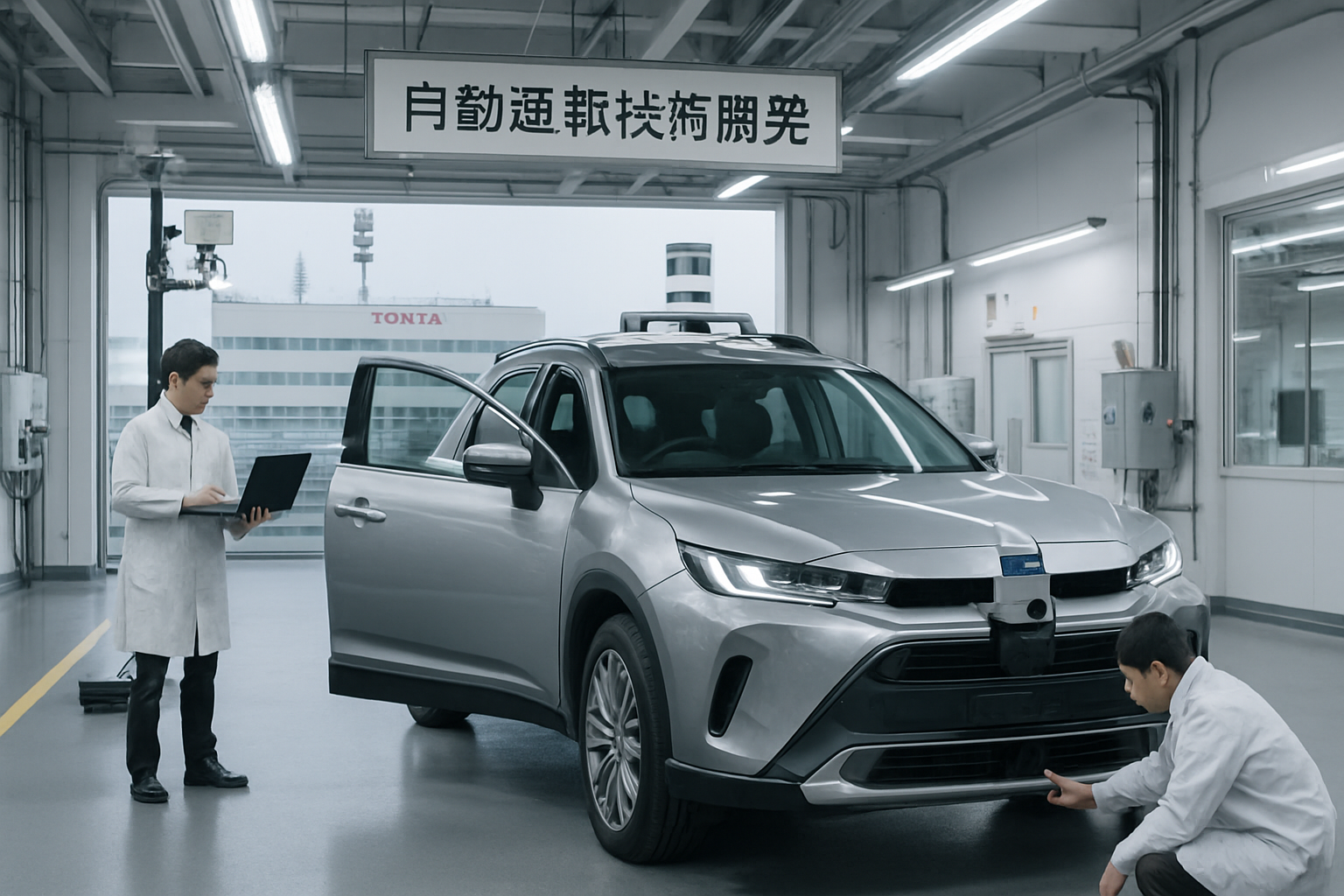
Japan's technology sector presents contrasting fortunes as Toyota and telecommunications giants advance autonomous driving solutions to combat the nation's severe driver shortage, while Nintendo faces market headwinds due to escalating Middle East shipping costs affecting its global console distribution network.
The dual developments highlight Japan's complex technological landscape in March 2026, where innovative transportation solutions coexist with traditional logistics challenges that continue to impact established companies' market performance.
Autonomous Driving Revolution Addresses Labor Crisis
Major Japanese corporations, including Toyota Motor Corporation and telecommunications leader NTT Docomo, are intensifying development of autonomous driving technologies as the country grapples with an unprecedented nationwide shortage of professional drivers. The initiative represents a strategic shift toward technological solutions for Japan's demographic challenges.
The driver shortage has reached critical levels across Japan's transportation infrastructure, affecting everything from freight delivery to public transportation systems. Industry experts estimate the shortage could reach hundreds of thousands of positions within the next decade as Japan's aging population and declining birth rates create severe labor market constraints.
"Broad adoption of autonomous driving will rest on establishing strong safety measures and cutting costs," according to industry analysis.
— Japanese Transportation Ministry Report
Toyota's autonomous driving research has accelerated significantly throughout 2026, building on the company's strategic pivot toward electric and autonomous vehicle technologies under CEO Kenta Kon. The initiative aligns with Japan's broader technological sovereignty goals, particularly important given global supply chain vulnerabilities and semiconductor shortages that have affected the industry.
Telecommunications Integration Drives Smart Transport
NTT Docomo's involvement in autonomous driving development represents the convergence of Japan's telecommunications and automotive sectors. The company's 5G network infrastructure provides the high-speed, low-latency connectivity essential for safe autonomous vehicle operation, particularly in Japan's dense urban environments.
The collaboration between automotive manufacturers and telecommunications providers reflects lessons learned from global technology integration trends. Historical memory of successful Japanese industrial coordination, particularly in electronics and automotive sectors during previous decades, informs current strategic approaches to emerging technologies.
Japan's approach emphasizes safety-first deployment, contrasting with more aggressive autonomous vehicle rollouts in other markets. This methodical strategy builds on Japan's reputation for quality and reliability while addressing public concerns about autonomous vehicle safety.
Nintendo Confronts Global Shipping Disruption
Meanwhile, Nintendo shares have declined as investors react to fears of rising Middle East shipping costs that could significantly impact the gaming giant's global distribution network. The company heavily relies on sea freight to transport its $450 gaming consoles from assembly hubs across Asia to international markets.
The shipping cost concerns reflect broader geopolitical tensions affecting global supply chains, particularly in the Middle East region where maritime security has become increasingly complex. Nintendo's reliance on cost-effective sea freight for its hardware distribution makes the company particularly vulnerable to shipping route disruptions and increased insurance costs.
The contrast between Nintendo's shipping challenges and the autonomous driving sector's technological advances illustrates Japan's industrial transformation. While established companies face traditional logistics pressures, emerging technology sectors are positioning Japan for future competitiveness through innovation.
Broader Implications for Japanese Industry
These developments occur within Japan's comprehensive technology infrastructure modernization, following Prime Minister Sanae Takaichi's historic electoral victory in February 2026. The administration's technology policies emphasize both domestic innovation and international competitiveness, balancing traditional industrial strengths with emerging technology leadership.
The autonomous driving initiative addresses multiple strategic priorities: reducing dependence on human labor in critical transportation sectors, maintaining Japan's automotive industry leadership, and developing exportable technology solutions that could benefit other aging societies globally.
For Nintendo, the shipping cost challenges highlight the ongoing importance of traditional logistics in global technology distribution. Despite the gaming industry's digital transformation, hardware distribution remains vulnerable to geopolitical and economic disruptions affecting maritime transportation.
Technology Integration and Safety Priorities
Japan's methodical approach to autonomous vehicle deployment emphasizes comprehensive testing and gradual implementation, reflecting cultural preferences for proven reliability over rapid deployment. This strategy aims to build public confidence while ensuring safety standards meet Japan's exacting requirements.
The integration of telecommunications infrastructure with autonomous vehicle systems represents a sophisticated understanding of technology convergence. Success in this area could position Japan as a global leader in smart transportation systems, building on its existing strengths in both automotive manufacturing and telecommunications technology.
These technological advances occur amid global semiconductor shortages that have affected automotive production worldwide. Japan's experience navigating these supply chain challenges while advancing autonomous technology demonstrates the country's adaptive capacity and strategic planning capabilities.
Economic and Strategic Considerations
The economic implications of Japan's autonomous driving initiative extend beyond immediate transportation needs. Success in developing commercially viable autonomous vehicle technology could generate significant export revenues while establishing Japan as a preferred partner for countries facing similar demographic and transportation challenges.
For Nintendo, managing shipping cost volatility remains crucial for maintaining competitive pricing in global gaming markets. The company's ability to adapt its distribution strategies while preserving product accessibility will determine its continued market leadership amid challenging logistics conditions.
Both developments reflect Japan's broader challenge of maintaining industrial competitiveness while navigating global economic uncertainties. The success of autonomous driving technology could offset challenges in traditional sectors, while established companies like Nintendo must demonstrate resilience in adapting to changing global conditions.