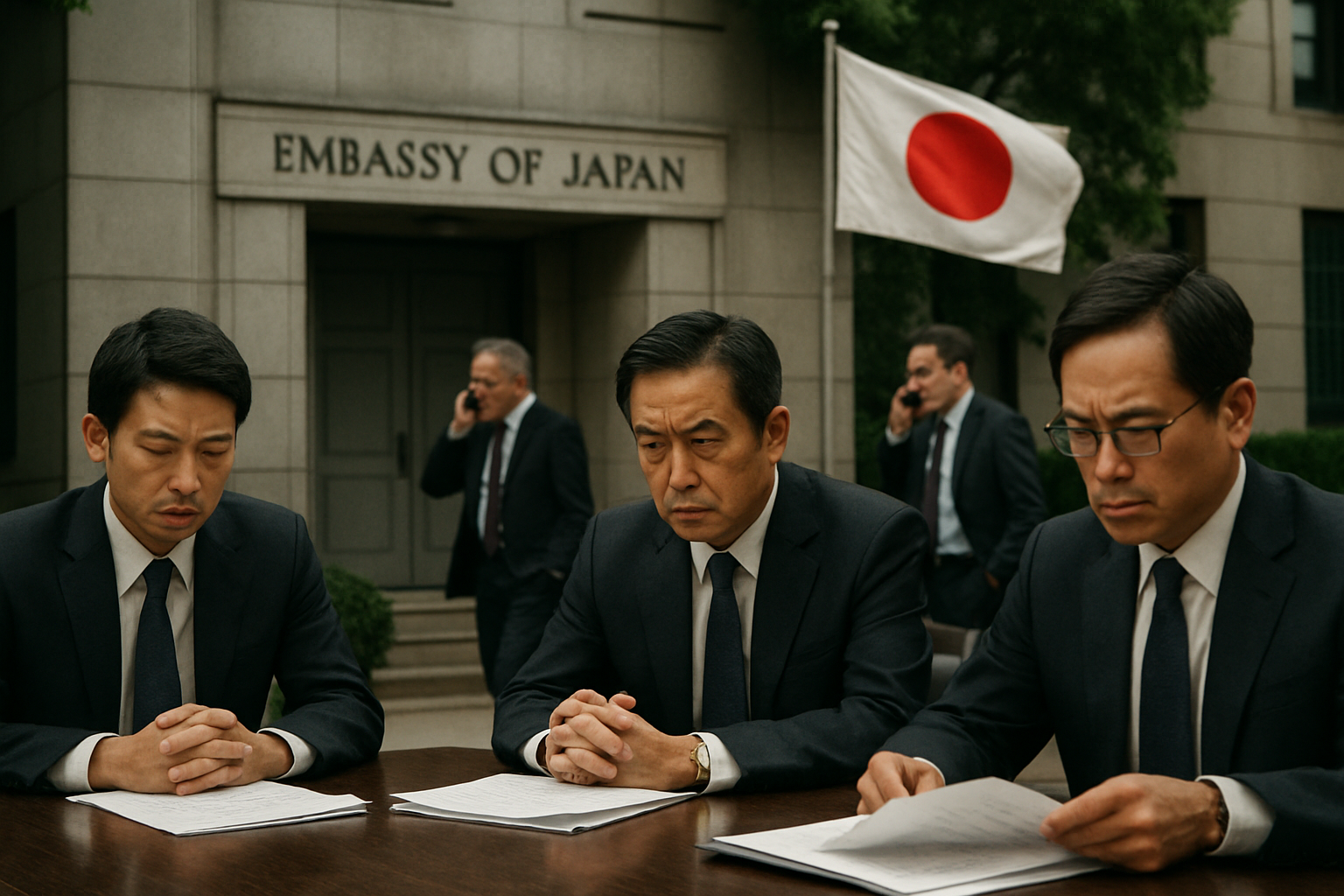
Two Japanese nationals, including a journalist from the public broadcaster NHK, remain detained in Iran as the Middle East crisis continues to unfold, with Japanese officials confirming they have established contact with both detainees and verified their safety despite ongoing regional tensions.
The Japanese government has successfully maintained communication channels with the two nationals even after the recent escalation in U.S.-Israeli military operations against Iran, according to official sources. Foreign Minister Toshimitsu Motegi confirmed the detentions during a Diet session on Friday, describing the situation as part of the broader challenges facing international citizens caught in the Middle Eastern conflict zone.
NHK Journalist Among Those Detained
One of the detained Japanese nationals has been identified as an NHK journalist, highlighting the particular vulnerability of media personnel operating in the region during the current crisis. The detention underscores the increasingly dangerous environment for international reporters covering the Iran conflict, with press freedom organizations expressing growing concern about the safety of journalists in the region.
The circumstances surrounding the journalist's arrest remain unclear, though it occurs amid heightened tensions following the breakdown of nuclear negotiations between the United States and Iran. The detention of media personnel has become a recurring pattern during international crises, with governments often viewing foreign journalists as potential security risks or sources of unwanted international scrutiny.
Diplomatic Efforts Continue
Despite the challenging circumstances, Japanese diplomatic officials have maintained regular contact with both detainees, ensuring their welfare and working toward their eventual release. The Foreign Ministry's ability to establish and maintain these communication channels represents a significant diplomatic achievement given the deteriorating security situation in Iran.
"The government has been able to contact the two nationals and confirm their safety even after the U.S.-Israeli attack on the Middle Eastern country."
— Japanese Foreign Ministry Official
The Japanese government's approach reflects a careful balance between protecting its citizens' interests and avoiding further escalation in an already volatile diplomatic environment. Officials have emphasized their commitment to securing the safe return of both nationals through diplomatic channels rather than public pressure campaigns that might complicate negotiations.
Regional Context of Detentions
The detention of Japanese citizens occurs against the backdrop of the most serious Middle East crisis since the Cold War ended. The breakdown of nuclear diplomacy between Iran and the United States, despite previous framework agreements in Geneva, has created an environment where foreign nationals become increasingly vulnerable to detention.
Iran's Revolutionary Guard had previously declared that "no red lines remain" following U.S.-Israeli military operations, creating uncertainty about the treatment of foreign citizens and diplomatic personnel throughout the region. The Iranian authorities' willingness to maintain communication with Japanese officials suggests ongoing respect for diplomatic protocols despite the broader crisis.
International Evacuation Context
The Japanese detentions come as multiple nations have initiated massive evacuation operations for their citizens throughout the Middle East. Over 500,000 citizens from various countries have been extracted from conflict zones in what represents the largest coordinated international evacuation since the Arab Spring of 2011.
Australia alone has reported 115,000 nationals requiring evacuation assistance, while Germany has identified 30,000 tourists stranded in the region. The scope of the humanitarian crisis has overwhelmed traditional diplomatic mechanisms, forcing governments to implement emergency protocols on an unprecedented scale.
Japan's Diplomatic Approach
Japan's handling of the detention crisis reflects its broader foreign policy approach of maintaining dialogue even during periods of international tension. The country's historically neutral stance in Middle Eastern conflicts has often provided advantages in securing the release of detained citizens, as regional powers view Japan as a less threatening international actor compared to Western military powers.
The Foreign Ministry's emphasis on quiet diplomacy rather than public confrontation appears designed to avoid escalating the situation while working systematically toward resolution. This approach has proven effective in previous international crises, though the current Middle Eastern situation presents unique challenges given the scale and intensity of regional conflicts.
Media and Press Freedom Concerns
The detention of an NHK journalist raises broader questions about press freedom and the safety of media personnel during international crises. Iran has a documented history of detaining foreign journalists, often using them as bargaining chips in broader diplomatic negotiations.
Press freedom organizations have expressed particular concern about the vulnerability of journalists covering the Iran crisis, noting that media personnel often face the dual risk of being caught in military operations while also being targeted by authorities suspicious of foreign reporting.
Humanitarian Implications
The detention of Japanese citizens illustrates the human cost of diplomatic breakdowns and regional conflicts. As international tensions escalate, ordinary citizens and professionals pursuing legitimate activities become inadvertent victims of geopolitical disputes beyond their control.
The situation highlights the importance of maintaining diplomatic channels even during periods of severe international tension. Japan's success in establishing contact with its detained citizens demonstrates the value of persistent diplomatic engagement, even when broader political relationships face significant strain.
Looking Ahead
The resolution of the Japanese detentions will likely depend on broader developments in the Middle Eastern crisis and the evolution of Iran's diplomatic relationships with international partners. While Japan's relatively neutral position provides some advantages in negotiations, the overall regional instability creates uncertainties that could complicate release efforts.
The Japanese government's continued emphasis on diplomatic solutions and its success in maintaining contact with the detainees offer hope for eventual resolution. However, the case underscores the broader humanitarian challenges facing international citizens caught in the expanding Middle Eastern crisis.
As the situation continues to evolve, the treatment of Japanese and other foreign detainees will serve as an important indicator of Iran's commitment to international diplomatic norms despite the broader regional conflict. The international community continues to monitor these developments closely, recognizing that the safety of foreign nationals often reflects broader trends in international relations and conflict resolution.