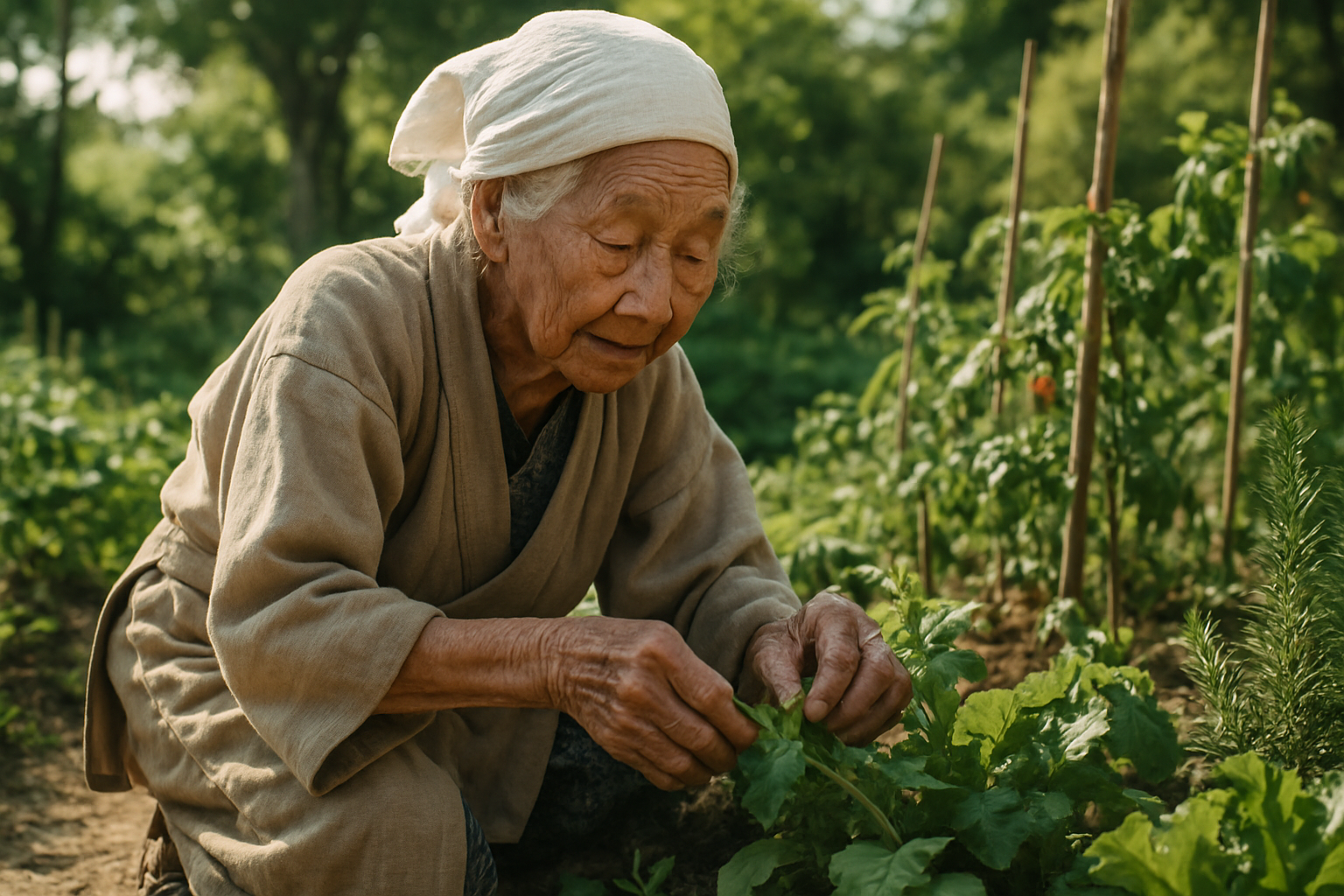
A Russian travel blogger's extensive research throughout Japan has uncovered what she considers the fundamental secret behind the nation's remarkable longevity - a traditional relationship with time that emphasizes seasonal rhythms over the relentless pace of modern living.
The blogger, whose findings were published on April 3, 2026, spent months investigating longevity patterns across Japan, a country where over 30% of the population is over 65 years old and which maintains one of the world's highest life expectancies despite facing unprecedented demographic challenges.
The Time Secret: Living by Seasons, Not Minutes
According to the research findings, populations in rural Japan who measure time by seasonal changes rather than digital clocks demonstrate significantly higher longevity rates compared to their urban counterparts. This traditional lifestyle pattern, which has sustained Japanese communities for centuries, creates profound longevity benefits that modern biohacking approaches struggle to replicate.
"The secret isn't in expensive supplements or complex dietary regimens," the blogger noted. "It's in a fundamental shift in how people relate to time itself. Those who live according to natural seasonal rhythms rather than artificial schedules show remarkable health outcomes."
This finding aligns with broader research emerging from the global "Therapeutic Revolution of 2026," which emphasizes prevention-first healthcare strategies and holistic lifestyle approaches over reactive medical treatments.
Traditional Patterns Under Threat
However, the research reveals a concerning trend: these beneficial traditional lifestyle patterns are gradually disappearing due to modernization and urbanization pressures. Younger generations in Japan increasingly adopt Western time management approaches, potentially losing access to ancestral wisdom that contributed to exceptional longevity.
"What we're witnessing is the erosion of a time-tested system that has kept people healthy and active well into their 90s and beyond. The question is whether we can preserve and adapt these insights for modern life."
— International Longevity Researcher
The blogger's findings complement recent scientific discoveries from Czech Republic researchers who identified similar patterns among populations practicing traditional lifestyle approaches. Their March 2026 study documented how people measuring time by seasonal changes rather than minutes demonstrate remarkable longevity benefits, challenging modern assumptions about optimal aging strategies.
The Science Behind Seasonal Living
Scientific evidence increasingly supports the connection between circadian rhythm alignment and longevity. Recent international research has demonstrated that populations maintaining traditional daily and seasonal patterns show:
- Enhanced cellular repair mechanisms through natural sleep cycles
- Improved stress management through seasonal activity variation
- Better nutritional absorption from seasonal food consumption
- Stronger community connections through shared seasonal traditions
- Reduced chronic inflammation associated with artificial lighting and irregular schedules
This approach contrasts sharply with modern biohacking trends that rely on technological interventions and precise timing protocols. Instead, traditional Japanese longevity secrets emphasize harmony with natural rhythms, community engagement, and stress reduction through acceptance of natural cycles.
Global Context and Modern Applications
The research emerges during a critical period for global health and longevity science. As Japan faces the world's most rapidly aging population alongside unprecedented demographic challenges, understanding traditional longevity practices becomes increasingly urgent. The country's experience serves as both a model and a warning for other developed nations confronting similar demographic transitions.
Recent developments in Japan, including Prime Minister Sanae Takaichi's healthcare policy reforms and the country's leading role in medical innovation, position the nation uniquely to bridge traditional wisdom with modern scientific approaches. Japan's recent breakthrough in iPS cell medical products and precision medicine demonstrates how traditional insights can inform cutting-edge therapeutic approaches.
The blogger's research also connects to broader international studies showing the importance of community, purpose, and natural living patterns for healthy aging. Similar findings from Mediterranean populations, Okinawan centenarians, and other "Blue Zone" regions consistently emphasize lifestyle factors over medical interventions for exceptional longevity.
Practical Implementation Strategies
Based on the research findings, several practical approaches can help modern individuals access traditional longevity benefits:
- Seasonal Eating: Consuming foods aligned with natural growing seasons rather than year-round availability
- Natural Light Exposure: Structuring daily activities around sunrise and sunset rather than artificial illumination
- Community Rhythms: Participating in seasonal festivals and community activities that connect individuals to natural cycles
- Stress Reduction: Accepting natural variations in energy and productivity rather than maintaining constant high performance
- Intergenerational Connection: Learning from elders who maintain traditional practices and wisdom
Challenges and Opportunities
The research highlights significant challenges in preserving traditional longevity practices within modern society. Urban environments, digital technology demands, and global economic pressures make seasonal living increasingly difficult for most populations. However, the findings suggest that even partial adoption of seasonal awareness can provide measurable health benefits.
Healthcare professionals increasingly recognize that sustainable longevity requires comprehensive lifestyle modifications rather than single interventions. The integration of traditional wisdom with modern medical knowledge offers promising directions for addressing aging-related health challenges without relying solely on pharmaceutical solutions.
Future Research Directions
The blogger's findings contribute to growing international research examining traditional longevity practices across diverse cultures. Scientists are investigating how ancient wisdom can inform modern approaches to healthy aging, particularly as global populations face unprecedented longevity challenges.
Current research initiatives include studying the physiological mechanisms underlying seasonal living benefits, developing modern adaptations of traditional practices, and creating policy frameworks that support community-based longevity approaches alongside medical interventions.
The "Therapeutic Revolution of 2026" emphasizes prevention-first strategies that align with traditional Japanese approaches, suggesting that ancient wisdom and modern science may converge toward similar conclusions about optimal human health and longevity.
As Japan continues to navigate its demographic transition while maintaining its position as a global leader in longevity research, the preservation and adaptation of traditional practices becomes increasingly crucial not only for Japanese society but for the global community seeking sustainable approaches to healthy aging.