Hong Kong media mogul and pro-democracy activist Jimmy Lai was sentenced to 20 years in prison on Monday, marking the harshest penalty yet under the territory's controversial national security law and effectively ending the city's most high-profile challenge to Beijing's authority.
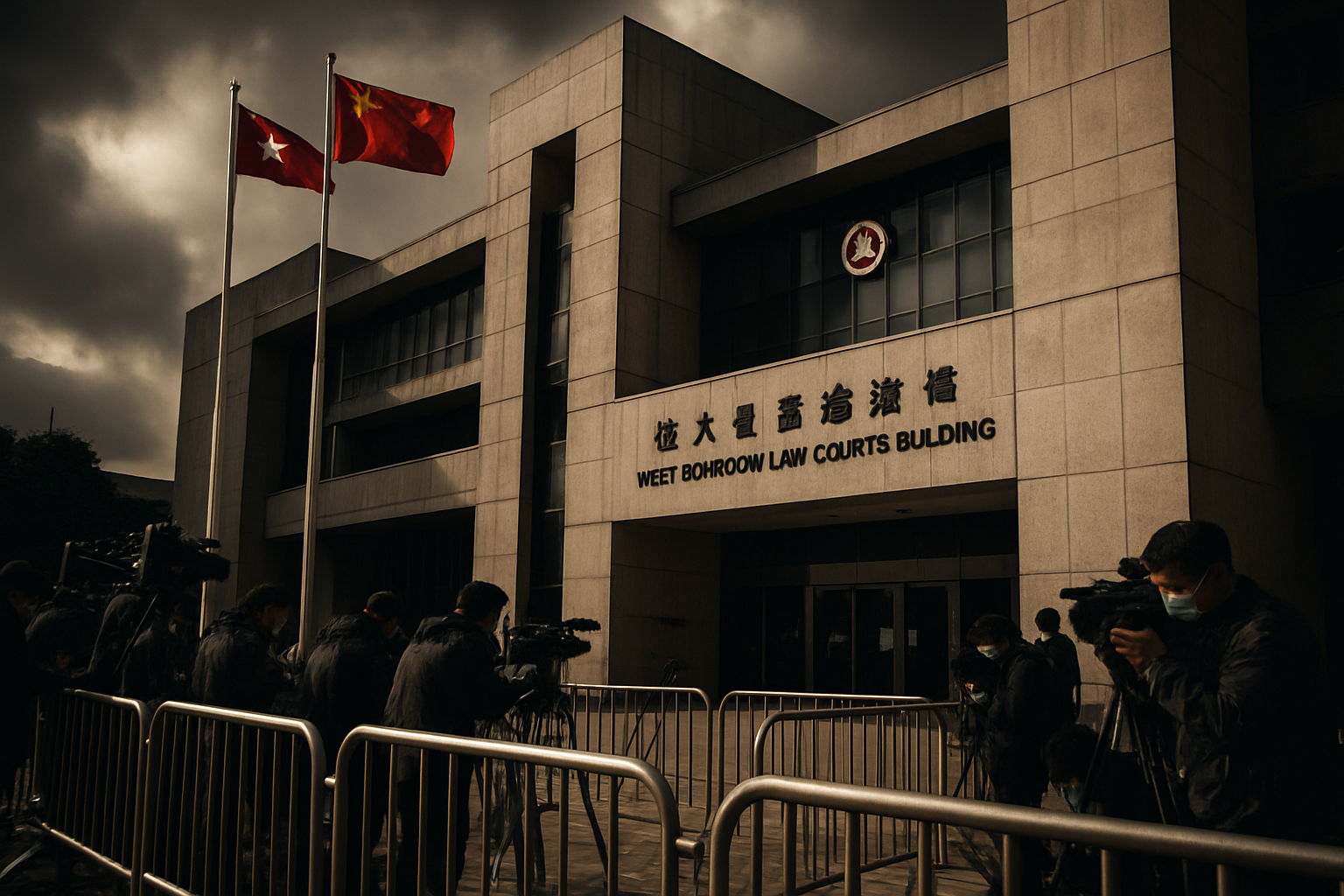
The 78-year-old founder of the now-defunct Apple Daily newspaper was convicted in December 2025 on two counts of conspiracy to collude with foreign forces and one count of conspiracy to publish seditious materials. The sentencing at West Kowloon Court concluded a nearly five-year legal saga that began with Lai's first arrest in August 2020.
The Verdict and Its Implications
The three High Court judges described Lai's sentence as falling within the most severe "grave nature" penalty band, which ranges from 10 years to life imprisonment. The brief 10-minute hearing brought closure to Hong Kong's biggest national security case, which has drawn international attention as a test of Beijing's commitment to eliminating dissent in the former British colony.
Alongside Lai, six Apple Daily senior executives and two activists also received prison sentences, while three companies were penalized. The court found Lai to be the "mastermind" behind efforts to lobby foreign governments for sanctions against Hong Kong and Chinese officials.
"After having examined the grave criminal conduct of Lai, the court has estimated that the total sentence imposed on Lai in this case should be within the most severe category."
— High Court Judgment
International Condemnation and Diplomatic Tensions
The sentencing prompted swift condemnation from Western governments and human rights organizations worldwide. The European Union called for Lai's "immediate unconditional release," while the United Kingdom announced plans to expand its Hong Kong visa scheme, allowing thousands more residents to qualify for British citizenship pathways.
Rights groups described the sentence as "effectively a death sentence" given Lai's advanced age. The verdict creates additional diplomatic pressure on UK-China relations, as Lai holds British citizenship—a status that has complicated Beijing's handling of the case.
French advocacy group Reporters Sans Frontières condemned the verdict through Director General Thibault Bruttin, who characterized the case as part of a systematic dismantling of press freedom in Hong Kong.
The Fall of Apple Daily
Apple Daily, founded by Lai in 1995, served as Hong Kong's last major pro-democracy newspaper before authorities forced its closure in June 2021. The tabloid's demise came after police raids, asset freezes, and staff arrests under the national security law.
The newspaper's closure represented a symbolic defeat for press freedom in Hong Kong, ending decades of independent journalism that had distinguished the territory from mainland China. At its peak, Apple Daily was known for its critical coverage of Beijing and support for Hong Kong's democracy movement.
Context of Broader Crackdown
Lai's conviction forms part of a systematic crackdown on civil society that has unfolded since Beijing imposed the national security law in June 2020. Hundreds of activists have been arrested or forced into exile, international media organizations have relocated operations, and an atmosphere of self-censorship has permeated Hong Kong society.
The case has created what experts describe as a chilling effect on remaining opposition voices in Hong Kong. Universities, businesses, and civil society groups have all felt the impact of the law's broad interpretation, extending far beyond journalism into virtually all aspects of Hong Kong life.
Beijing's Perspective
Chinese officials defend the national security law as necessary for restoring stability after the massive pro-democracy protests of 2019. Beijing argues that the legislation targets only those who threaten national security and that Lai's activities crossed legal boundaries.
According to reports from Russian state media, Chinese officials maintain that the case represents China's internal affairs and that Western criticism constitutes interference in domestic matters. The Chinese government's spokesperson Lin Jiang stated that Lai "deserved strict punishment according to law."
Legal Precedent and Future Impact
The Lai case establishes a broad interpretation of what constitutes national security threats under Hong Kong law. Legal experts note that the conviction was based not only on published content but also on Lai's international advocacy efforts and meetings with foreign officials.
The precedent affects how international businesses, academic institutions, and media organizations operating in Hong Kong assess their risks. Many have already relocated operations or reduced their presence in the territory.
"This is a historic moment that tests the international community's response to Hong Kong's erosion of autonomy. It may trigger additional Western sanctions and further strain China-Western relations."
— International Relations Expert
Geopolitical Ramifications
The Lai verdict serves as a geopolitical flashpoint between China and Western nations. It tests the international community's commitment to defending press freedom and human rights in the face of an increasingly assertive Chinese foreign policy.
The case may influence future Hong Kong's international business confidence and long-term investment commitments. Financial institutions and multinational corporations continue to evaluate whether Hong Kong can maintain its role as an international financial hub under the current political climate.
Personal Cost and Legacy
For Lai personally, the 20-year sentence—with two years overlapping with existing charges—effectively constitutes a life sentence given his age. The media tycoon, who fled mainland China as a child and built a business empire in Hong Kong, has become a symbol of resistance to Beijing's tightening control.
His case highlights the personal costs faced by those who challenged Beijing's authority in Hong Kong. From business leaders to student activists, many have paid steep prices for their political beliefs and actions.
Ongoing Implications
The sentencing occurs as Hong Kong continues to grapple with its changing identity under Beijing's direct oversight. The verdict sends a clear message about the limits of acceptable political discourse and press freedom in the territory.
International observers view the case as a watershed moment that may determine whether Hong Kong can maintain any semblance of its former autonomy and international character. The global response to Lai's sentence will likely influence China's calculations about future enforcement of the national security law.
The case represents the most significant test of international institutions' ability to respond to the erosion of democratic norms and press freedom in a major global financial center. Its resolution may set precedents for how the international community addresses similar challenges in other contexts where authoritarian governments target media freedom and civil society.