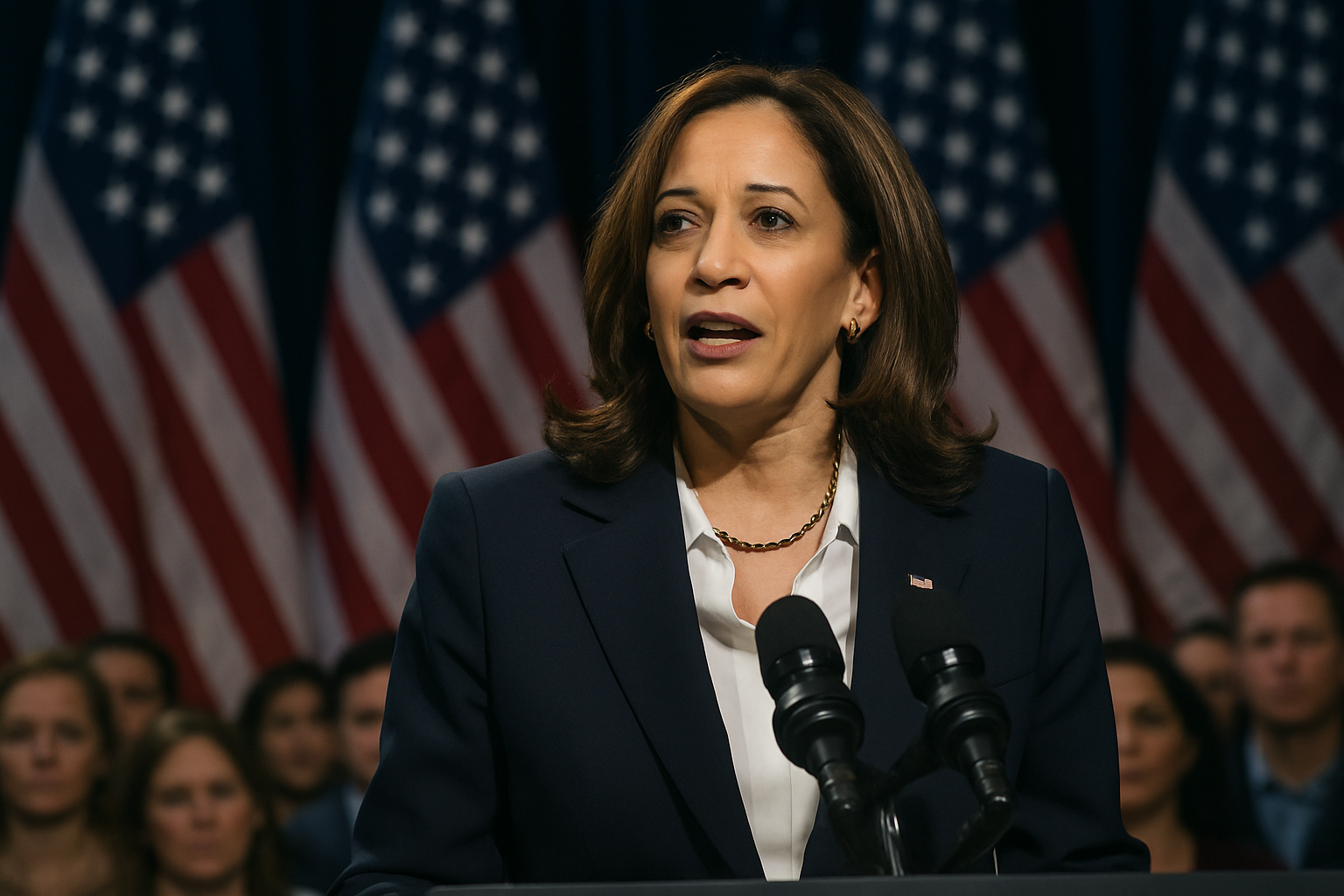
Former Vice President Kamala Harris has signaled her intention to potentially mount another presidential campaign in 2028, telling civil rights activists at a major political convention that she is "thinking about it" when directly asked about her political future.
Speaking at the National Action Network Convention in New York on Friday, April 10, 2026, Harris responded to pointed questions about a possible 2028 run with a cautious but telling "Maybe... I'm thinking about it." The remarks, which drew enthusiastic applause from the audience of civil rights activists, mark the first time Harris has publicly acknowledged considering another presidential bid since her defeat to Donald Trump in the 2024 election.
Learning from Experience
Harris emphasized that her previous experience in the White House gives her unique insight into the demands of the presidency. "I know what it requires to be president," she told the audience, referencing her nearly four years as Vice President under Joe Biden from 2021 to 2025. This experience, she suggested, would better prepare her for a potential second presidential campaign compared to her first attempt.
The former Vice President's comments come at a critical juncture for the Democratic Party, which is seeking to rebuild and redefine its message following Trump's return to the White House. Harris's 2024 campaign, while ultimately unsuccessful, demonstrated her ability to mobilize key Democratic constituencies and maintain competitive fundraising throughout the general election.
Political Landscape in 2028
Harris would enter the 2028 Democratic primary field with several distinct advantages. Her recent national campaign experience, established fundraising networks, and strong support among African American voters, women, and progressives position her as a formidable potential candidate. However, questions about electability following her 2024 loss to Trump may complicate her path to the nomination.
"Kamala Harris knows what it takes to run a national campaign, and she has the infrastructure in place to do it again."
— Democratic strategist familiar with Harris's political operation
The 2028 Democratic field remains largely undefined, creating an opportunity for Harris to establish herself as an early frontrunner. Her decision to publicly float the possibility of another run could help her secure early endorsements and begin building organizational support well ahead of other potential contenders.
Continued Public Presence
Since leaving the vice presidency, Harris has maintained an active public profile, advocating for Democratic policies including voting rights, reproductive freedom, and economic opportunity. Her appearance at the National Action Network Convention—a gathering organized by civil rights leader Al Sharpton—underscores her continued engagement with core Democratic constituencies.
The timing of Harris's comments is particularly strategic, coming as the Democratic Party works to define its opposition to Trump's second-term agenda. By keeping the door open to a 2028 candidacy, Harris maintains her political relevance during what could be a lengthy period of Republican control of the White House.
Historical Significance
A successful 2028 Harris campaign would represent a continuation of her groundbreaking political career. She served as the first woman, first Black woman, and first South Asian American to hold the office of Vice President, breaking multiple barriers in American politics. A presidential victory would complete a historic trajectory and could reshape American political leadership for decades to come.
Harris's potential candidacy also adds an important dimension to ongoing Democratic Party discussions about future direction and leadership. Her experience in both the executive branch and the Senate provides a unique perspective on governance that could appeal to voters seeking experienced leadership.
Early Electoral Considerations
Political observers note that Harris's early indication of interest could provide several strategic advantages. It allows her to begin building campaign infrastructure, testing policy messages, and securing key endorsements while potential rivals remain undecided about their own political futures.
However, Harris will need to address lingering questions about her 2024 campaign performance and demonstrate how she would approach a rematch differently. The former Vice President lost both the popular vote and Electoral College to Trump, a result that some Democrats attributed to messaging challenges and strategic missteps.
Party Unity Challenges
Harris's potential candidacy comes as the Democratic Party faces internal divisions over policy direction and political strategy. Her ability to unite progressive and moderate wings of the party will be crucial to any successful 2028 campaign, particularly given the lessons learned from recent electoral defeats.
The former Vice President's emphasis on her executive experience suggests a campaign strategy focused on competence and readiness rather than revolutionary change. This approach could appeal to moderate voters while potentially creating tension with progressive activists seeking more transformative leadership.
As the 2028 election cycle approaches, Harris's decision to publicly consider another presidential run establishes her as an early participant in what promises to be a competitive Democratic primary. Her next moves—including policy positioning, endorsement gathering, and fundraising—will be closely watched by political observers seeking early indicators of the race's direction.