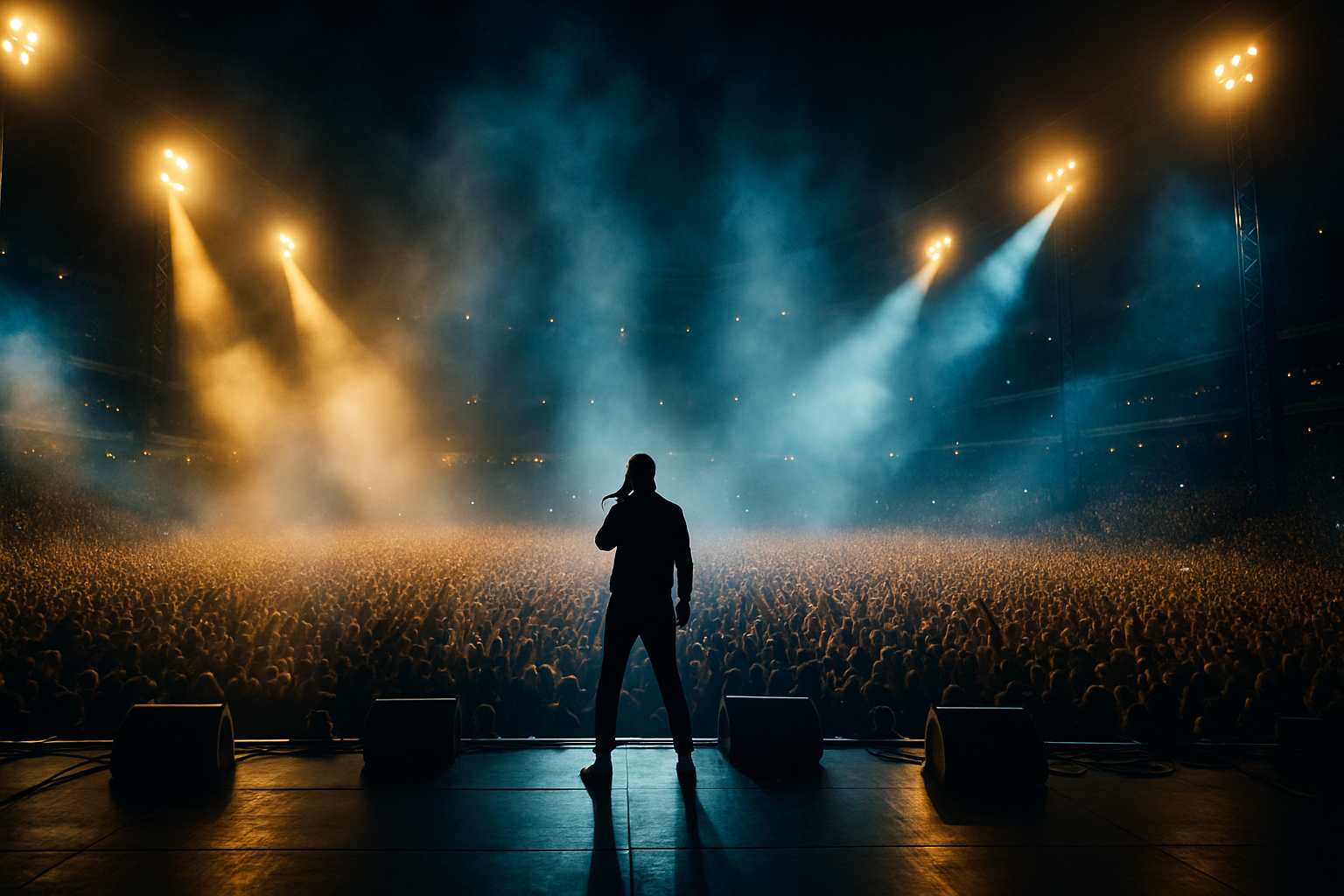
Kanye West, the artist now known as Ye, performed to a packed stadium in Los Angeles on Saturday night, marking his first major US concert appearance in five years and signaling his attempted return to the spotlight following a series of controversial antisemitic statements that devastated his career and public standing.
The performance represents a significant moment in the troubled artist's career trajectory, coming just 11 months after he released a song titled "Heil Hitler" and only two months following a public apology for his antisemitic rhetoric. The concert drew thousands of fans to the venue, demonstrating that despite widespread condemnation of his statements, West retains a substantial following willing to support his musical endeavors.
The Path to Controversy and Attempted Redemption
West's fall from grace began in earnest during 2022 and 2023, when he made a series of increasingly inflammatory statements targeting Jewish people. The situation reached its nadir with the release of content that included explicit Nazi references, effectively ending major commercial partnerships and landing him on the margins of mainstream entertainment.
The controversy had immediate and severe consequences for the artist's career. Major brands including Adidas, Gap, and Balenciaga severed their lucrative partnerships with West, resulting in an estimated loss of over $1 billion in endorsement deals. Streaming platforms removed some of his content, and venues across multiple countries banned his performances.
The impact extended beyond West himself, affecting the broader entertainment industry's approach to artist accountability. The incident sparked widespread discussion about the responsibilities of platforms, venues, and corporate partners when high-profile figures engage in hate speech.
International Backlash and Venue Rejections
The aftermath of West's statements reverberated internationally, with several countries and municipalities taking explicit action to prevent his performances. Most notably, French authorities blocked his planned June concert in Marseille, with city officials characterizing his statements as "unabashed Nazism" and declaring the artist "not welcome" in the city.
The French rejection reflected broader European concerns about providing platforms for individuals who have promoted antisemitic ideology. This represented part of a wider pattern of cultural institutions grappling with how to balance artistic expression against the need to reject hate speech and protect vulnerable communities.
These international rejections created a complex landscape for West's attempted comeback, forcing him to navigate not only damaged relationships with American venues and partners but also a global environment increasingly resistant to his presence.
The Critical Analysis
Swedish cultural commentary has provided insight into West's artistic evolution during this controversial period. Gabriel Zetterström of Dagens Nyheter described the artist's new material as sounding "like something from an artist who drowsily tries to orient himself among the devastation he himself created."
"The new Kanye album sounds like something from an artist who drowsily tries to orient himself among the devastation he himself created. AI or not – the rapper is more interesting to talk about than he has been in a long time."
— Gabriel Zetterström, DN Culture Critic
This assessment suggests that West's recent work reflects a genuine grappling with the consequences of his actions, though questions remain about the authenticity of his apparent contrition and whether his creative output has been influenced by artificial intelligence technologies.
The Entertainment Industry's Response
West's LA performance occurs within a broader context of the entertainment industry wrestling with questions of redemption, accountability, and second chances. The concert's success in drawing large crowds despite the controversy highlights the complex relationship between artistic merit and personal conduct in determining public reception.
The industry has been forced to develop new frameworks for addressing situations where major artists engage in hate speech or other harmful behavior. The West case has become a template for how venues, streaming platforms, and corporate partners might respond to similar situations in the future.
His attempted comeback also raises questions about the effectiveness of industry boycotts and whether commercial consequences alone are sufficient to address harmful speech from high-profile figures.
Community Impact and Jewish Response
The Jewish community has watched West's attempted return with significant concern and skepticism. Many community leaders have emphasized that a simple apology cannot undo the harm caused by his sustained campaign of antisemitic rhetoric, particularly given the rising levels of antisemitic violence and harassment across the United States and globally.
Jewish advocacy organizations have pointed to the broader context of increasing antisemitic incidents, arguing that high-profile figures like West bear particular responsibility for the impact their statements can have on vulnerable communities. The timing of his comeback attempt, coinciding with elevated concerns about Jewish safety, has intensified scrutiny of his actions.
The Performance and Audience Reception
Saturday's Los Angeles concert represented a carefully orchestrated attempt to return to the mainstream spotlight. The packed stadium suggested that significant portions of West's fanbase remain loyal despite the controversies, though the composition and motivations of the audience remain subjects of speculation.
The performance itself focused primarily on West's musical catalog, with the artist apparently avoiding explicit political commentary that might reignite controversies. This approach suggests a strategic decision to emphasize his artistic contributions while downplaying the statements that led to his industry exile.
The concert's success in drawing large crowds despite widespread criticism demonstrates the complex dynamics of celebrity culture, where artistic achievement and personal conduct exist in tension with one another.
Industry and Cultural Implications
West's LA performance represents more than just one artist's comeback attempt; it serves as a test case for how the entertainment industry handles redemption narratives for figures who have engaged in hate speech. The concert's reception will likely influence future decisions by venues, streaming platforms, and corporate partners regarding similar situations.
The event also highlights ongoing debates about "cancel culture" and the possibility of redemption for public figures who have made harmful statements. Different communities and individuals are likely to reach varying conclusions about whether West's apology and apparent contrition are sufficient to warrant renewed support for his career.
The success or failure of this comeback attempt may establish precedents for how the entertainment industry balances accountability with opportunities for rehabilitation, particularly for artists whose personal conduct has conflicted dramatically with their professional achievements.
Looking Forward
As West attempts to rebuild his career and public image, questions remain about the sustainability of his comeback efforts. The packed stadium suggests there remains substantial public appetite for his musical contributions, but the broader cultural and commercial environment has fundamentally changed since his peak influence.
The artist's ability to secure future venues, streaming partnerships, and commercial deals will depend not only on continued audience support but also on his ability to demonstrate genuine change and avoid repeating the harmful behavior that led to his downfall.
For the entertainment industry more broadly, West's case continues to serve as a crucial test of how institutions balance artistic freedom with responsibility to reject hate speech and protect vulnerable communities. The long-term implications of this high-profile comeback attempt will likely influence industry practices for years to come.