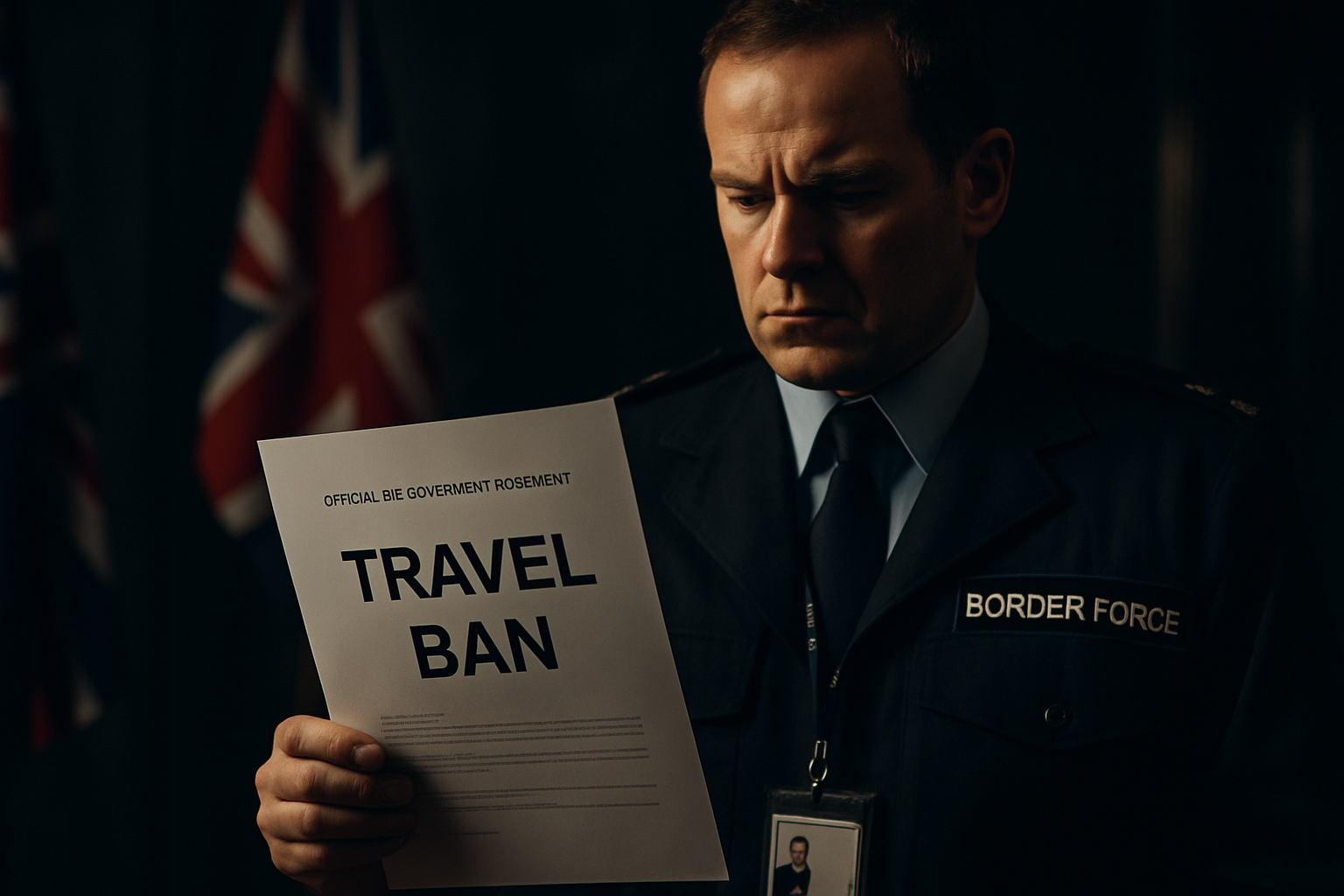
The UK government has officially banned rapper Kanye West from entering the country, forcing organizers to cancel the entire Wireless Festival scheduled for July in London where he was set to headline.
The UK Home Office withdrew West's electronic travel authorization on the grounds that his presence would not be "conducive to the public good," according to multiple international sources. The decision comes after sustained public outcry over the artist's history of antisemitic remarks and expressions of admiration for Adolf Hitler.
Prime Minister Keir Starmer said the government "stood firmly with the Jewish community" following the backlash over West's controversial statements. Festival organizers announced the complete cancellation of the three-day outdoor event, promising full refunds to ticketholders.
Government Takes Unprecedented Action
West, who legally changed his name to Ye, had initially been granted an electronic travel authorization for his planned July performances. However, this was revoked following what sources describe as extensive public pressure and security assessments by authorities including the Metropolitan Police.
The decision represents a rare high-level political intervention in entertainment booking decisions, marking one of the few times the UK government has directly blocked a major artist from entering the country for performances.
"Should never have been invited in the first place. This confirms what many of us knew - his presence here would not serve the public good."
— UK Government Source
Festival Cancellation Sends Shockwaves
The Wireless Festival cancellation represents a significant blow to the UK's live music industry. The event was expected to draw thousands of fans to London for what would have been West's first UK performances since 2015.
Multiple major sponsors, including PepsiCo, had already withdrawn support following the initial controversy over West's booking. The festival's complete cancellation demonstrates the broader commercial consequences facing venues and promoters who book controversial artists.
Ticket holders are being offered full refunds, though the economic impact on the wider London tourism and hospitality sectors is expected to be substantial.
Pattern of International Rejections
The UK ban follows similar actions by other democratic nations. France previously declared West "not welcome" in the country, with officials in Marseille citing his "unabashed Nazism" statements as grounds for blocking potential performances.
West has lost over $1 billion in endorsement deals from major brands including Adidas, Gap, and Balenciaga, while facing content restrictions on streaming platforms and venue bans internationally. The pattern suggests coordinated democratic responses to his sustained antisemitic campaign.
Despite these setbacks, West performed to a packed Los Angeles stadium in early April, marking his first major US concert in five years. However, international opportunities have become increasingly limited.
Context of Rising Antisemitic Violence
The decision comes amid a documented surge in antisemitic attacks across democratic nations. Australia has experienced systematic campaigns including childcare center firebombings and synagogue attacks, while Europe has seen coordinated violence against Jewish institutions.
The December 14, 2025 Bondi Beach Hanukkah festival attack in Australia, which killed 15 people, exemplifies the deadly real-world consequences of antisemitic rhetoric. More recently, the February 21, 2026 Brisbane synagogue ramming attack demonstrated the ongoing security threats facing Jewish communities globally.
Jewish community leaders have emphasized that West's public apology, issued months after releasing a song titled "Heil Hitler," was insufficient given his sustained harmful rhetoric campaign.
Legal and Security Implications
The UK's travel ban system allows authorities to deny entry when an individual's presence is deemed contrary to public safety or social order. The decision regarding West appears to be the first time these powers have been used against a major entertainment figure primarily for hate speech concerns.
Security assessments reportedly included evaluations of potential protest risks and counter-demonstrations, with the Metropolitan Police reviewing community safety implications of West's presence in London.
Industry Accountability Questions
The controversy raises broader questions about entertainment industry responsibility in providing platforms to artists with documented histories of hate speech. Major corporations have demonstrated increased sensitivity to associations with controversial figures, as evidenced by the mass sponsor withdrawals.
This represents a significant shift from industry self-regulation toward government enforcement, establishing potential precedents for how democratic nations address the intersection of artistic freedom and hate speech prevention.
The entertainment sector now faces complex calculations about the commercial risks of booking controversial artists, with corporate sponsors more likely to withdraw amid public backlash than in previous decades.
International Diplomatic Impact
The UK's decisive action sends a clear message about democratic values and international cooperation in addressing hate speech. The decision aligns with broader European efforts to prevent the normalization of antisemitic rhetoric among public figures with significant cultural influence.
This case may establish important precedents for how democratic nations coordinate responses to public figures who promote extremist ideologies while maintaining significant international platforms and audiences.
The controversy continues to test the balance between protecting free expression and preventing the amplification of dangerous rhetoric that has been linked to real-world violence against minority communities.