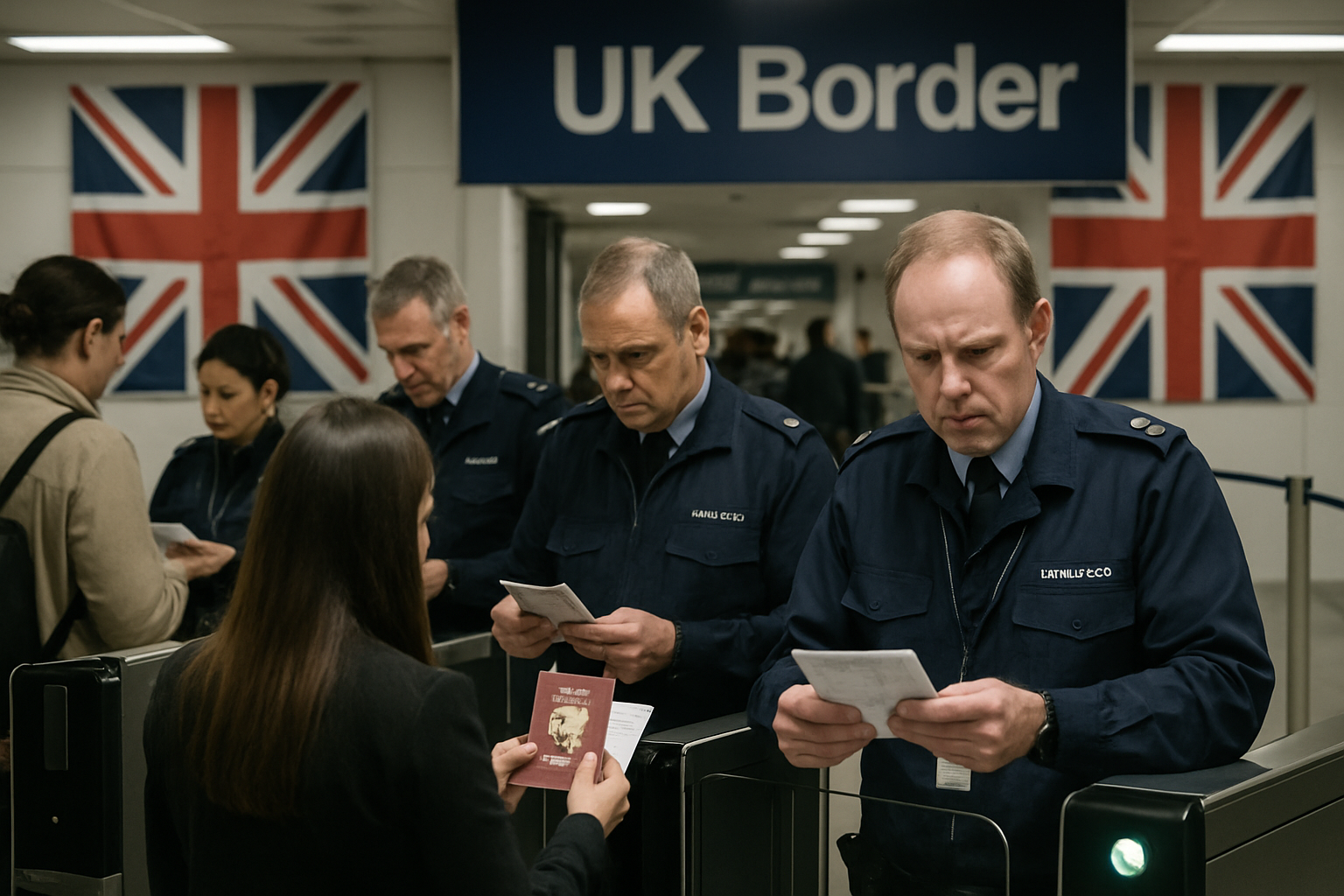
The UK government has officially denied entry to rapper Kanye West for his scheduled July 2026 performances at London's Wireless Festival, forcing organizers to cancel the entire three-day event and issue full refunds to all ticket holders.
The decision, announced Tuesday by the Home Office, represents the culmination of mounting political pressure from across the political spectrum following the controversial booking of West, who has made repeated antisemitic statements and expressed admiration for Adolf Hitler in recent years.
Government Takes Unprecedented Action
Home Office sources confirmed that West's electronic travel authorization has been withdrawn on grounds that his presence in the UK would not be "conducive to the public good." The decision follows sustained criticism from Prime Minister Keir Starmer, who stated that the rapper "should never have been invited to headline the festival" given his history of hate speech.
Festival Republic, the event organizers, announced the complete cancellation of the July 2026 Wireless Festival just hours after the Home Office decision. In a statement, they confirmed that full refunds would be issued to all ticket holders, including those who had purchased VIP packages and travel arrangements.
"Following the withdrawal of the artist's permission to enter and perform in the UK, we have made the difficult decision to cancel Wireless Festival 2026 in its entirety. We apologize to fans and will process full refunds within 14 days."
— Festival Republic Statement
International Pattern of Rejections
The UK's action follows similar decisions by other European nations. France previously declared West "not welcome" in Marseille, with officials citing his "unabashed Nazism" statements as grounds for blocking his planned June concert. This coordinated European response reflects growing concern about providing platforms for individuals who promote hate speech.
West has faced an unprecedented commercial backlash since his antisemitic remarks escalated in 2022. He has lost over $1 billion in endorsement deals from major brands including Adidas, Gap, and Balenciaga, while facing restrictions from streaming platforms and international venue bans.
Corporate Sponsors Withdraw Support
The festival controversy had already prompted major sponsor withdrawals before the government intervention. PepsiCo pulled its significant sponsorship of the event following public backlash over West's booking, demonstrating the increased commercial sensitivity to hate speech associations in corporate partnerships.
The Metropolitan Police had been conducting security assessments for the planned performances, including evaluating risks from potential protests and counter-demonstrations. Their review highlighted concerns about public order given the inflammatory nature of West's past statements.
Context of Rising Antisemitic Violence
The government's decision comes amid a documented surge in antisemitic violence across Europe and Australia. Recent attacks include the December 14, 2025 Bondi Beach Hanukkah festival massacre that killed 15 people, the February 21, 2026 Brisbane synagogue ramming attack, and systematic targeting of Jewish institutions across multiple countries.
Jewish community leaders have emphasized that public apologies from controversial figures are insufficient given the sustained nature of harmful rhetoric campaigns and their real-world consequences. The Community Security Trust noted that antisemitic incidents in the UK have reached record levels in recent months.
Artist's Recent Activities
Despite international venue rejections, West performed to a packed Los Angeles stadium in April 2026, marking his first major US concert in five years. The performance occurred 11 months after he released a song titled "Heil Hitler" and two months after issuing a public apology for his antisemitic statements.
However, his attempted comeback has faced significant obstacles internationally. Beyond the UK and France, numerous other venues and festivals have declined to host him, creating a complex landscape for any potential European tour.
Economic and Cultural Impact
The complete cancellation of Wireless Festival represents a significant economic blow to London's summer tourism and hospitality sectors. The three-day event typically attracts thousands of international visitors, generating millions in revenue for hotels, restaurants, and local businesses.
The decision also highlights the evolving relationship between the entertainment industry and political accountability. Unlike past eras where artistic expression was often separated from personal conduct, there is growing expectation that venues and sponsors consider the broader implications of platforming controversial figures.
Legal and Precedent Setting Implications
Legal experts note that the UK's use of immigration powers to block controversial performers sets an important precedent for how democratic nations can respond to the intersection of artistic freedom and hate speech concerns. The decision represents a rare instance of government intervention in entertainment booking based explicitly on past statements rather than criminal convictions.
The Home Office's characterization of West's presence as not "conducive to the public good" provides a template that other nations may follow when considering similar cases. This approach allows governments to consider broader community safety and social cohesion factors beyond traditional legal frameworks.
Industry Response and Future Implications
The Wireless Festival cancellation sends reverberations through the UK's live music industry, demonstrating how political considerations can override commercial decisions when public safety and community values are at stake. Industry observers note this may influence future booking decisions for controversial artists.
Entertainment industry professionals are reassessing the balance between artistic freedom and social responsibility, particularly regarding performers with documented histories of promoting hate speech. The commercial consequences—from sponsor withdrawals to complete event cancellations—suggest a fundamental shift in how the industry evaluates risk.
International Diplomatic Implications
The coordinated European response to West's attempted tour dates represents an emerging pattern of democratic nations working together to limit platforms for hate speech promotion. This cooperation extends beyond traditional security concerns to encompass cultural and social responsibilities.
The UK's decision, following France's earlier rejection, demonstrates how individual government actions can become part of a broader international framework for addressing the global reach of controversial public figures who promote dangerous ideologies.
As the dust settles from this unprecedented government intervention in the entertainment sector, questions remain about the long-term implications for both artistic freedom and community protection in an increasingly interconnected world where hate speech can have immediate and far-reaching consequences.