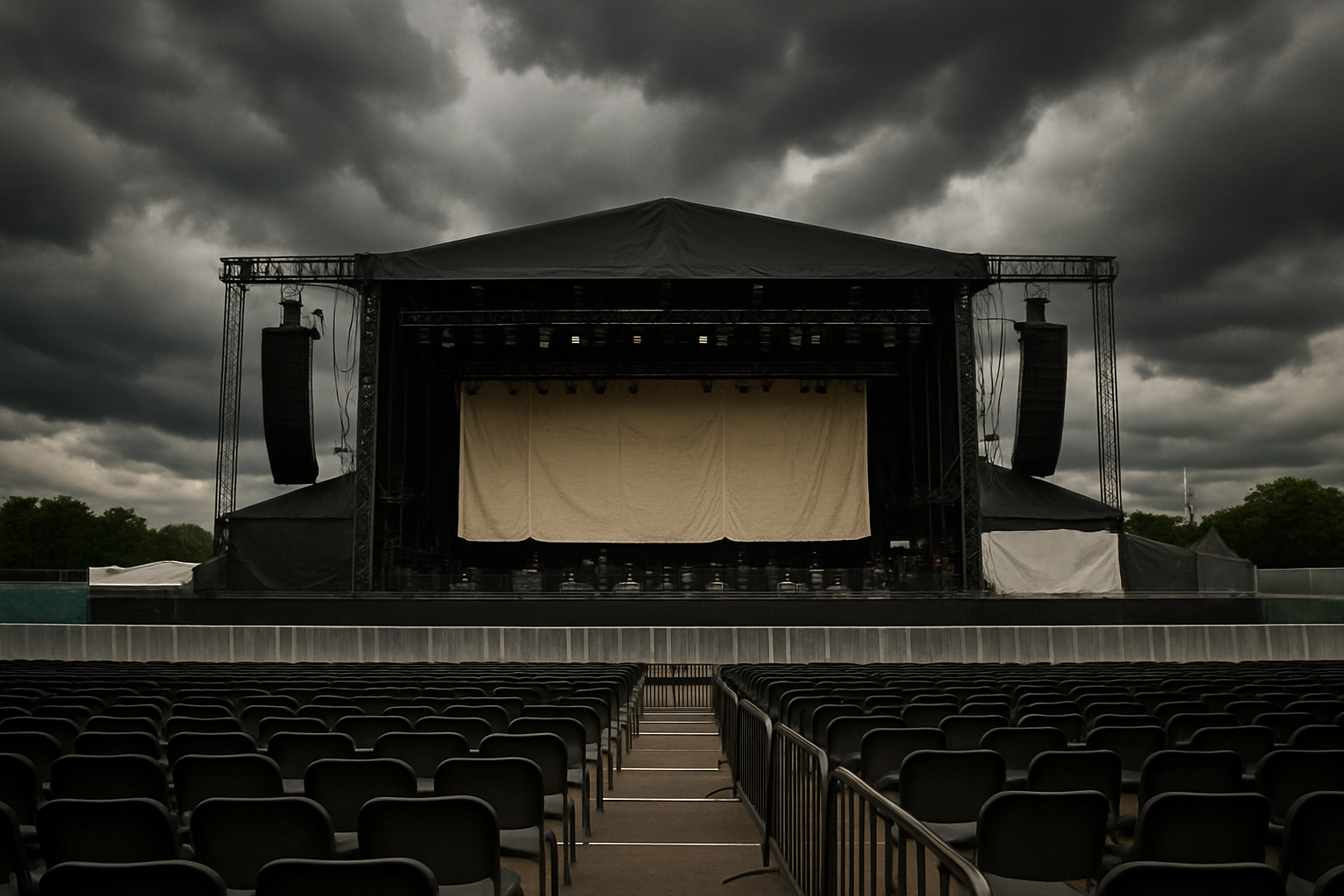
Major controversy has erupted around the UK's Wireless Festival following the announcement that rapper Kanye West, now known as Ye, would headline three nights in London this July, prompting Pepsi to withdraw as the event's main sponsor amid widespread public and political condemnation.
British Prime Minister Keir Starmer has expressed "deep concern" about the planned concerts, which represent West's first UK performances since his headline slot at Glastonbury in 2015. The 48-year-old artist's booking has drawn fierce criticism due to his well-documented history of antisemitic outbursts and controversial statements that have been characterized as expressing Nazi sympathies.
Political Response and Public Outcry
Speaking to The Sun, Prime Minister Starmer joined campaigners against antisemitism in voicing serious concerns about the festival's decision to book the controversial rapper. The timing of the criticism coincides with heightened sensitivity around antisemitic incidents across Europe, including recent attacks on Jewish communities and institutions.
The backlash has intensified following West's release of a song titled "Heil Hitler" in 2025 and his sustained campaign of antisemitic rhetoric that has been widely condemned by Jewish organizations and civil rights groups. Despite a subsequent public apology, critics argue that the artist's platform continues to pose risks to community safety and social cohesion.
Corporate Exodus Begins
Pepsi's withdrawal as the main sponsor represents a significant blow to the festival organizers, both financially and reputationally. The beverage giant's decision signals broader corporate concerns about association with events featuring controversial figures who have promoted hate speech.
The withdrawal follows a pattern of commercial consequences that have affected West throughout 2025 and into 2026. The artist lost over $1 billion in endorsement deals with major brands including Adidas, Gap, and Balenciaga, while streaming platforms have removed or restricted access to his content in various jurisdictions.
"This is deeply concerning to see someone with such a documented history of antisemitic statements being given this kind of platform."
— Political commentator, speaking anonymously
International Context of Rejection
The UK controversy occurs against a backdrop of international venue rejections. Most notably, officials in Marseille, France, declared West "not welcome" in their city for a planned June concert, with municipal authorities citing his history of antisemitic rhetoric and what they characterized as "unabashed Nazism" statements.
These rejections reflect growing international consensus that venues and authorities have responsibilities to consider the broader implications of providing platforms to artists who have promoted hate speech, particularly given the current climate of rising antisemitic violence globally.
Rising Antisemitic Violence Context
The Wireless Festival controversy unfolds amid documented increases in antisemitic incidents across Europe and beyond. Recent attacks have included the December 14, 2025 Bondi Beach Hanukkah festival attack that killed 15 people, the February 21, 2026 Brisbane synagogue ramming, and numerous other incidents targeting Jewish communities and institutions.
Ireland documented 143 antisemitic incidents between September 2025 and February 2026, while sophisticated Iranian intelligence operations have been uncovered targeting Jewish communities across Europe. This context has heightened sensitivity to decisions that could be seen as legitimizing or providing platforms for antisemitic messaging.
Festival Industry Implications
The Wireless Festival controversy highlights broader challenges facing the entertainment industry in balancing artistic freedom with social responsibility. Festival organizers must now navigate complex considerations around artist bookings, corporate partnerships, and public safety concerns.
Industry experts note that the commercial risks of controversial bookings have increased significantly, with sponsors and corporate partners now more likely to withdraw support when faced with public backlash. This creates new pressures on event organizers to consider the full implications of their artist selections.
Legal and Security Considerations
UK authorities are reportedly reviewing security arrangements for the planned concerts, given the current climate of tensions and the potential for protests. The Metropolitan Police and other security agencies are expected to assess risks associated with the event, including the possibility of counter-demonstrations and community safety concerns.
Legal experts note that while the UK has strong protections for freedom of expression, venue operators and local authorities retain significant discretion over events they choose to host, particularly when public safety and community relations are considerations.
Community Response
Jewish community organizations across the UK have expressed alarm at the booking decision, arguing that providing such a prominent platform to an artist with West's history sends a harmful message about the acceptability of antisemitic rhetoric. Interfaith groups and civil rights organizations have also voiced concerns about the broader implications for community cohesion.
Meanwhile, some supporters argue that the artist should be given opportunities for redemption following his public apology, though critics maintain that the apology was insufficient given the sustained nature of his harmful statements and their real-world impact on Jewish communities.
Looking Ahead
As the July dates approach, pressure continues to mount on Wireless Festival organizers to reconsider the booking. With major sponsor withdrawals already beginning and political pressure intensifying, the situation represents a significant test case for how the UK entertainment industry navigates controversies involving hate speech and public safety.
The resolution of this controversy will likely set important precedents for future booking decisions and corporate sponsorship arrangements in an era of heightened awareness about the real-world consequences of providing platforms to figures who have promoted hate speech and discrimination.
The festival's response to the growing pressure, and any additional developments regarding security arrangements or further sponsor withdrawals, will continue to be closely monitored by both industry observers and community safety advocates as the July concert dates approach.